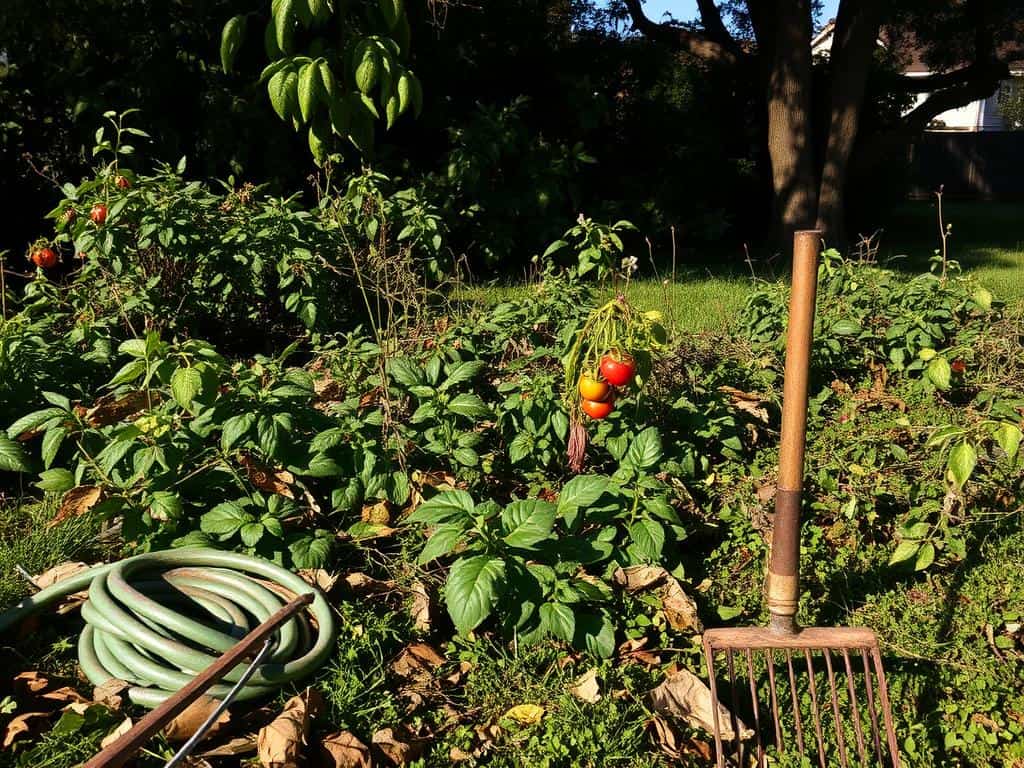
Did you know that about 70% of new gardeners give up in the first three years? This shows how important it is to know common gardening mistakes. These mistakes can really hurt your plants and make gardening less fun.
Starting a garden can be both fun and hard. By following basic tips and planning ahead, your garden can grow strong. Make sure to space plants right and pick crops you love. This article will help you avoid common gardening mistakes.
I want to share my gardening knowledge to help others grow a great garden. Let’s learn how to make our gardens flourish without falling into common traps.
Key Takeaways
- Starting small with a long-term vision is key to successful gardening.
- Proper plant spacing (2-3 feet) prevents overcrowding and promotes healthy growth.
- Interplanting can significantly reduce pests and attract beneficial pollinators.
- Regular monitoring and maintenance are essential for pest control and plant health.
- Understanding plant growth, including mature heights, is critical for garden planning.
Understanding the Common Gardening Mistakes
Gardening is a rewarding hobby that lets us connect with nature and grow our own food. Yet, many gardeners face challenges due to common mistakes. Knowing and fixing these issues can make gardening more successful and fun. Starting with realistic goals is key to staying motivated and making progress.
Setting Lofty Gardening Goals
Many gardeners get excited and plan big, but these plans might be too ambitious. Beginners often want to create big gardens, which can lead to disappointment. It’s important to set achievable goals and break tasks into smaller steps over time.
By focusing on small improvements, we feel a sense of accomplishment. This also deepens our connection with gardening.
Not Interplanting for Better Results
Interplanting, or growing different plants together, has many benefits. It boosts biodiversity, which helps control pests and makes the most of space. If we don’t interplant, pests can spread and our garden’s productivity drops.
Plant diversity also makes the garden ecosystem healthier. This benefits all the plants in our garden.
Overcrowding Plants in Your Garden
One big mistake is overcrowding plants. Many gardeners don’t follow the right spacing rules. This limits plant growth by blocking air and light.
Ignoring spacing can stunt plant growth and lower yields. Knowing how to space plants properly ensures they grow well and reach their full size.
Watering Tips to Prevent Common Gardening Mistakes
Proper watering is key to a healthy garden. It helps prevent problems like wilting and yellow leaves. With the right tips, my plants will thrive.
Understanding the Right Watering Techniques
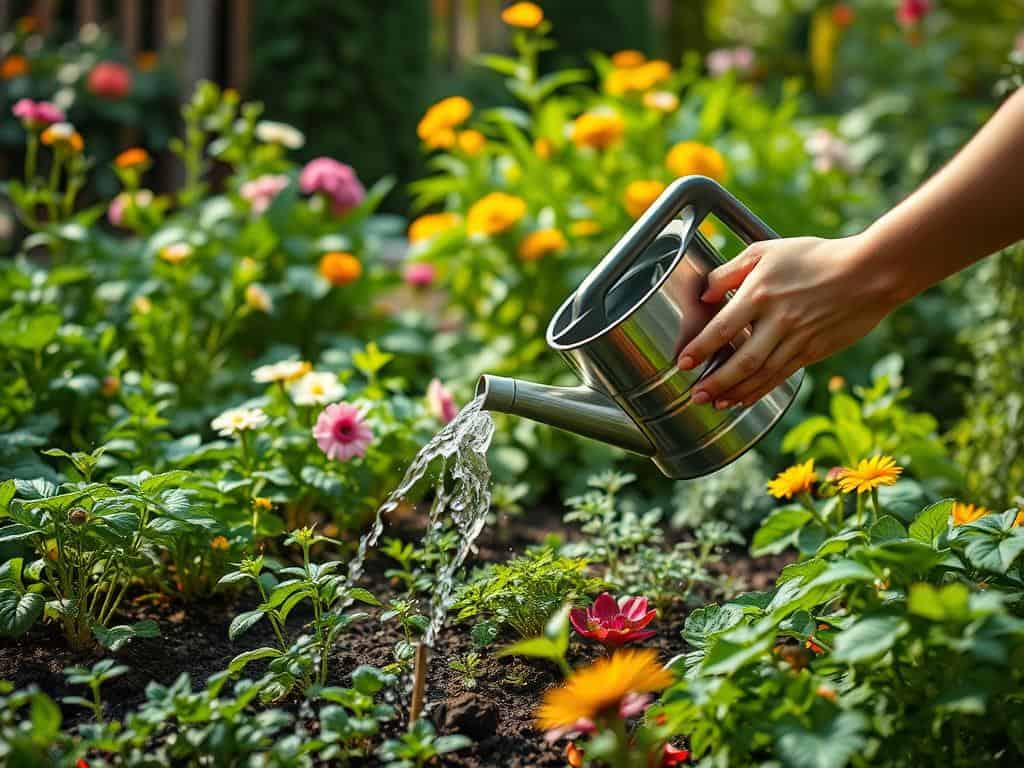
Watering deeply helps roots grow strong. I water at the base to avoid losing water to evaporation. This also cuts down on fungal diseases.
Timing is everything. Watering in the early morning or evening is best. It reduces evaporation and prevents leaf burn, keeping my plants healthy.
Importance of Deep, Thorough Watering
Deep watering encourages roots to grow deeper. This makes plants healthier. Some plants like moist soil, while others prefer it drier.
Using mulch helps keep soil moist and regulates its temperature. This supports proper hydration for my plants.
Avoiding Overwatering and its Consequences
It’s just as important to avoid overwatering. Too much water can cause root rot and weak growth. I use low water pressure to prevent damage.
Being careful with watering helps manage pests. This keeps my garden healthy and free from over-saturation problems.
Soil Health and Its Role in Avoiding Gardening Mistakes
Soil health is key to a garden’s success. Knowing how to improve and keep it healthy is important. It affects how well plants grow and fight pests.
When picking soil, think about what plants you want to grow. Not all plants like the same soil. Choosing the right soil is the first step to healthy plants.
Choosing the Right Soil for Your Plants
Choosing the right soil is critical for a garden’s success. Healthy soil has minerals, organic matter, air, water, and microorganisms that help plants. With 30% of the world’s land degraded, keeping soil healthy is essential.
Soil tests can tell you about its texture, pH, and nutrients. This info helps choose the best soil for your plants.
Amending Soil for Improved Plant Growth
Adding soil amendments, like compost, is important for plant health. Compost improves soil structure, holds water, and gives nutrients. I avoid chemicals to protect soil microbes and insects.
Mulching and cover cropping enrich the soil. They prevent erosion and add organic matter. This helps keep the soil balanced.
Maintaining Soil Nutrient Levels to Combat Pests
Keeping soil nutrients balanced helps fight pests. Crop rotation prevents nutrient loss and stops diseases. Soil covered and not compacted helps roots grow.
Organic amendments and sustainable practices keep soil healthy. This improves the garden and the environment.
Conclusion
When it comes to gardening, there are many mistakes to avoid. This article has covered key points like soil health, watering, and plant spacing. These are all important for a healthy garden.
Looking back, I see how important regular tasks are. Weeding, pruning, and fertilizing are key. They help my garden grow well and avoid problems.
Seeing gardening as a learning journey helps me grow. I hope to share this with others. Together, we can make our gardens beautiful and productive.


MOST COMMENTED
Outdoor
From Urban Chaos to Wilderness Calm: the Art of How to Pack a Hiking Backpack for a Seamless Escape
Home
High-End Bathroom Trends You’ll Want to Copy!
Technology
Protecting Your Digital Sanctuary: an Aesthetic Guide on How to Secure Your Home Wireless Network
Lifestyle
Beat Winter Blues with These Mood-Boosting Tips!
Home
A No-nonsense Guide to Removing Carpet Stains Without the Hype
General
A No-nonsense Guide to Starting a Vegetable Garden: From Urban Balconies to Real Harvests
Smart Living
How to Build a Smart Security System for Under $100