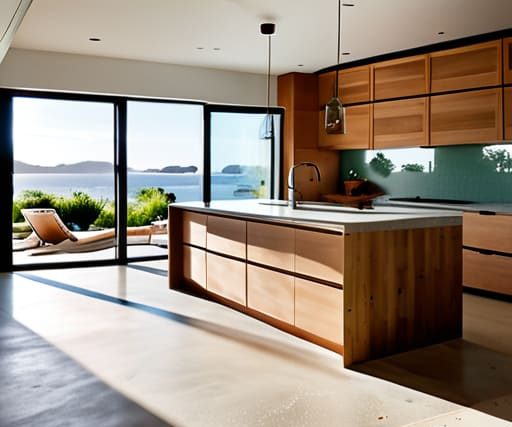
I was sitting in my favorite corner café this morning, sketching a rough floor plan on a paper napkin, when I realized how much the “eco-friendly” design world has become a bit of a performance. We’ve all seen it: those incredibly overpriced, “green-certified” products that look more like clinical laboratory samples than actual home decor. It feels like the industry wants to convince you that choosing sustainable materials for a kitchen remodel requires a massive bank account and a complete sacrifice of your personal style. I hate that misconception. To me, sustainability shouldn’t feel like a compromise or a luxury tax; it should feel like bringing the soul of the outdoors into your urban sanctuary.
I’m not here to sell you on expensive buzzwords or high-gloss marketing fluff. Instead, I want to share what I’ve learned from years of balancing organic textures with modern city living. We are going to dive into the practical, beautiful reality of sourcing materials that are as kind to the planet as they are to your aesthetic. My promise to you is simple: I’ll show you how to navigate the choices with intentionality and ease, ensuring your new kitchen is both a functional masterpiece and a true reflection of your values.
Ethical Sourcing for Home Renovation a Creative Blueprint
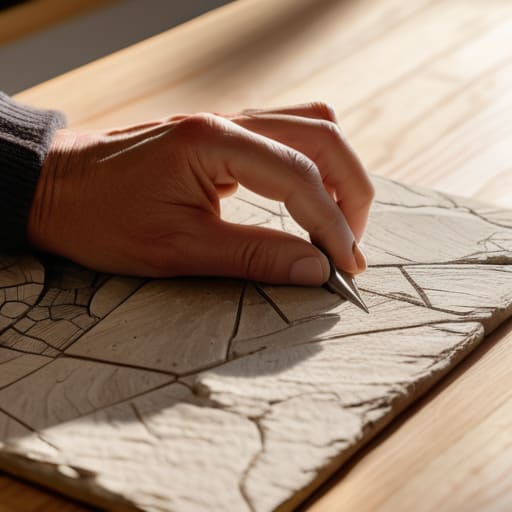
When I’m sitting in a sun-drenched corner of a local café, sketching out a new layout on a paper napkin, I find myself constantly thinking about the “life cycle” of a room. It isn’t just about how a marble slab looks under the light; it’s about where that stone actually came from. Ethical sourcing for home renovation is the heartbeat of a truly conscious design. I always encourage my clients to look beyond the surface and ask the hard questions: Was this wood harvested from a managed forest? Is this metal reclaimed from an old industrial site? When we choose materials with a transparent history, we aren’t just decorating; we are telling a story of respect for our planet.
This philosophy extends into the very air we breathe while cooking breakfast. I’m particularly obsessed with finding low VOC kitchen finishes that protect both your family and the environment. It’s about creating a sanctuary that feels as pure as the New England coast I grew up on, but with the sophisticated edge of a modern loft. By integrating recycled kitchen cabinetry materials with thoughtful, ethically obtained accents, we transform a standard renovation into a purposeful act of creativity.
Eco Friendly Countertop Options for an Urban Oasis
When I’m sitting in a sun-drenched corner of a local café, sketching out new layouts on a paper napkin, I often find myself obsessing over the tactile soul of a kitchen: the countertops. In an urban oasis, your surfaces shouldn’t just be durable; they should tell a story of intention. I’ve been leaning heavily into eco-friendly countertop options like reclaimed wood or even engineered stone made from recycled glass. There is something incredibly poetic about running your hands over a surface that once lived a different life, now repurposed to anchor your morning espresso ritual.
If you’re leaning more towards a sleek, minimalist aesthetic, don’t overlook the beauty of paper composite or even certain types of recycled porcelain. These materials offer that crisp, modern edge we crave in city living while remaining remarkably gentle on the planet. As you curate your space, remember that the goal is to find that perfect equilibrium between high-end urban sophistication and the raw, honest textures of the natural world. It’s about choosing pieces that feel as good to touch as they look in your sketches.
Small Shifts, Big Impact: My Five Design Rules for a Greener Kitchen
- Look for the story behind the stone. Instead of just picking a beautiful slab, ask where it’s coming from; choosing locally quarried stone or recycled glass surfaces significantly cuts down on the carbon footprint of your remodel while giving your kitchen a unique, grounded soul.
- Embrace the beauty of reclaimed wood. I love incorporating salvaged timber for open shelving or even a centerpiece island—it brings that weathered, coastal warmth I grew up with into a sleek urban setting, and it’s the ultimate way to give old materials a second life.
- Prioritize low-VOC finishes to protect your sanctuary. When you’re selecting paints or cabinetry stains, make sure they are low or zero-VOC; it’s a small detail on a floor plan, but it’s essential for keeping the air in your home as fresh and clean as a breeze off the Atlantic.
- Think about the lifecycle of your flooring. Whether it’s rapidly renewable bamboo or cork, choose materials that can eventually return to the earth or endure for decades without needing a replacement, blending long-term durability with an effortless, organic aesthetic.
- Don’t overlook the power of recycled metals. For your hardware and fixtures, look for brushed metals made from recycled content; they offer that sophisticated, industrial edge perfect for city living while honoring a much more conscious manufacturing process.
Designing with Intention
As we wrap up this exploration of sustainable kitchen design, I hope you feel more empowered to navigate the beautiful complexity of eco-friendly choices. We’ve looked at how ethical sourcing acts as the foundation of a conscious home and how selecting the right countertops can ground your urban sanctuary in natural textures. Remember, choosing sustainable materials isn’t about following a rigid set of rules or sacrificing style for the sake of a checklist; it’s about curating a meaningful narrative through your materials. Whether you opt for reclaimed wood or recycled stone, every decision you make is a step toward a kitchen that feels as good for the planet as it does for your soul.
At the end of the day, your kitchen is much more than a place to prep meals—it is the heartbeat of your home and a reflection of your values. I like to think of a remodel as a blank page in a sketchbook, waiting for you to add the lines, textures, and colors that define your life. Don’t be afraid to experiment, to mix the old with the new, or to let your intuition guide you toward extraordinary experiences. Let your kitchen be a testament to your creativity and your commitment to a more beautiful, intentional world. Now, grab a pen, find a quiet corner, and start sketching your dream space.
As you begin to layer in these sustainable elements, I often find that the most inspiring ideas don’t actually come from a catalog, but from the vibrant energy of community. Whether I’m hunting for a unique, reclaimed timber piece or just looking for fresh perspectives on local craftsmanship, I’ve learned that connecting with others is the best way to fuel your creative process. If you’re feeling a bit stuck or just want to expand your design horizons through real-world connections, I highly recommend meeting people in region to see how others are breathing life into their own spaces; sometimes, a simple conversation with a fellow enthusiast is exactly what you need to turn a technical renovation into a true personal masterpiece.



MOST COMMENTED
Outdoor
From Urban Chaos to Wilderness Calm: the Art of How to Pack a Hiking Backpack for a Seamless Escape
Home
High-End Bathroom Trends You’ll Want to Copy!
Technology
Protecting Your Digital Sanctuary: an Aesthetic Guide on How to Secure Your Home Wireless Network
Lifestyle
Beat Winter Blues with These Mood-Boosting Tips!
Home
A No-nonsense Guide to Removing Carpet Stains Without the Hype
General
A No-nonsense Guide to Starting a Vegetable Garden: From Urban Balconies to Real Harvests
Smart Living
How to Build a Smart Security System for Under $100