I was sitting in my favorite corner café this morning, sketching out a new layout for a loft project on a linen napkin, when I looked down at my own boots and realized they were caked in dried mud from yesterday’s rain. It immediately made me think of that sinking feeling we all get when a glass of red wine or a spilled latte hits a pristine rug. Most people think you need a chemistry degree—or a mountain of harsh, toxic chemicals—to fix the mess, but the truth is that learning how to remove stains from carpet is more about patience and gentle, intentional care than it is about brute force.
I don’t believe in overwhelming your home with products that smell like a laboratory; I believe in restoring the harmony of your space. In this guide, I’m stripping away the fluff to give you my personal, no-nonsense toolkit for tackling spills without damaging your fibers. We’ll walk through sustainable, effective methods to lift even the most stubborn marks, ensuring your floors remain a beautiful, seamless part of your living canvas. Let’s turn that little mishap back into a clean slate.
Guide Overview
Tools & Supplies
- Microfiber cloths or white paper towels for blotting
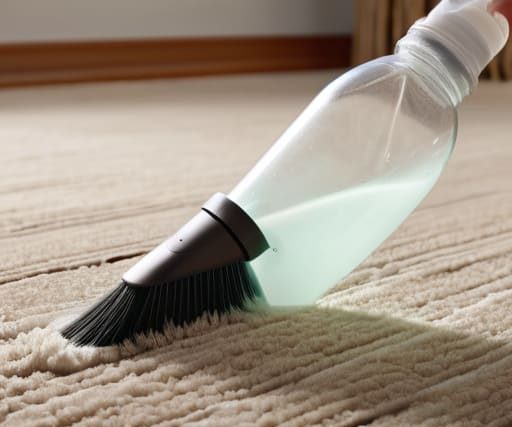
- Soft-bristled brush for gentle agitation
- Spray bottle for applying solutions
- Dish soap (mild, clear) 1 bottle
- White vinegar 1 bottle
- Baking soda 1 box
- Warm water 1 pitcher
Step-by-Step Instructions
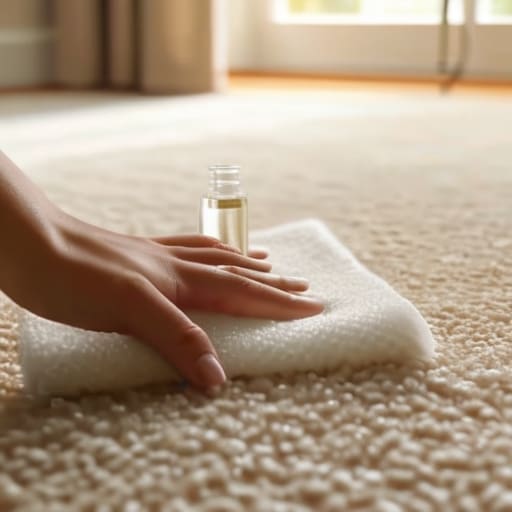
- 1. The moment you notice a spill, resist the urge to scrub wildly. Think of it like a sudden smudge on a fresh charcoal sketch; you want to absorb the excess rather than push it deeper into the fibers. Use a clean, white cloth or even a handful of paper towels to gently blot the area, pressing down firmly to lift as much liquid as possible.
- 2. Once you’ve lifted the surface moisture, it’s time to create a gentle, eco-friendly solution. I always lean toward a mixture of a few drops of mild, clear dish soap and a cup of lukewarm water. This approach is much kinder to your home’s natural ecosystem than those harsh, synthetic chemicals that can leave behind a lingering, artificial scent.
- 3. Apply your homemade solution to a fresh cloth rather than pouring it directly onto the carpet. You want to work from the outside of the stain inward, which prevents the perimeter from expanding and turning a small mishap into a much larger, more disruptive blotch.
- 4. For those particularly stubborn marks—the ones that feel like a permanent flaw in your design—a touch of white vinegar can work wonders. Mix a bit of vinegar with water and dab it onto the spot; the acidity helps break down the pigments while restoring the texture of the pile.
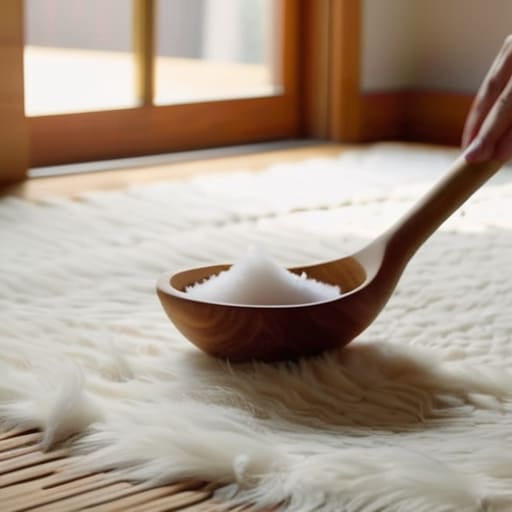
- 5. If you’re dealing with a heavy-duty stain, like red wine or coffee, a light dusting of baking soda can act as a natural sponge. Sprinkle it over the damp area and let it sit for a few hours; it will draw the remaining pigment up, almost like capturing a memory in a sketch before it fades.
- 6. After the cleaning process, the final step is all about the drying phase. Place a heavy, clean book or a weighted object over a stack of paper towels on the spot to ensure all remaining moisture is pulled upward. A dry carpet is a serene carpet, and allowing it to air out completely prevents any unwanted odors from settling into your sanctuary.
Curating Natural Carpet Stain Removers for Sustainable Living
Whenever I’m sitting in a sun-drenched corner of a local café, sketching out new layout ideas on a paper napkin, I often find myself thinking about the tactile nature of our homes. We invest so much in the textures of our rugs and textiles, yet we often reach for harsh, synthetic chemicals the moment a spill occurs. I prefer a more mindful approach. By utilizing natural carpet stain removers—think gentle white vinegar, baking soda, or even a bit of Castile soap—you aren’t just protecting your fibers; you are protecting the very air you breathe within your sanctuary.
It’s about finding that delicate balance between efficacy and ecology. For instance, if you are navigating the unexpected challenge of removing pet urine from carpet, a mixture of enzymatic cleaners and natural absorbents can work wonders without leaving behind a chemical scent that disrupts your home’s serenity. Ultimately, the goal is preventing permanent carpet stains through proactive, gentle care. Think of your cleaning routine not as a chore, but as a way to preserve the integrity and beauty of your living canvas.
Mastering the Art of Removing Pet Urine From Carpet
Dealing with pet accidents can feel like a sudden, jarring disruption to the serene flow of a well-designed room. When a furry friend leaves their mark, the instinct is often to panic, but I’ve learned that treating it like a design challenge—one that requires patience and the right materials—makes all the difference. The secret to removing pet urine from carpet effectively lies in speed and chemistry. You must act before the liquid settles deep into the fibers, as the salts in urine can create a lasting bond that is incredibly difficult to break.
I always recommend starting with a heavy layer of absorbent powder to draw out the moisture, followed by a gentle application of natural carpet stain removers like a diluted vinegar solution. If you find yourself reaching for more intensive carpet cleaning tools and equipment, ensure you are using an enzymatic cleaner; these are essential because they actually break down the organic compounds rather than just masking the scent. Think of it as restorative work—you aren’t just cleaning a spot; you are preserving the integrity and longevity of your home’s foundation.
The Designer’s Toolkit: Five Nuanced Tips for Protecting Your Space
- Treat every spill like a sudden sketch error; act immediately to blot—never rub—to prevent the pigment from weaving itself into the very fibers of your carpet’s texture.
- Always conduct a small, discreet patch test in a corner or inside a closet, ensuring your chosen solution respects the integrity and color of the material before committing to the main area.
- Think of temperature as a design element; use cool water for organic stains like wine or coffee to prevent setting them, while warm water can help loosen more stubborn, oil-based disruptions.
- Work from the outside of the stain toward the center, much like framing a composition, to ensure the mess doesn’t expand into the clean, serene areas surrounding the impact zone.
- Embrace the beauty of patience by allowing your cleaning agents to dwell on the spot for a few minutes, letting the solution do the heavy lifting so you don’t have to overwork the delicate fibers.
Honoring the Canvas of Your Home
As we wrap up this deep dive into carpet care, remember that maintaining your floors is less about perfection and more about mindful stewardship. We’ve explored how to navigate everything from accidental spills to the unique challenges of pet accidents, all while leaning into sustainable, natural solutions that respect both your home and the planet. By choosing gentle, eco-friendly removers and following a steady, patient process, you aren’t just scrubbing away a mess; you are preserving the integrity of your living environment. Whether you are using a simple vinegar solution or a specialized organic cleaner, the goal is always to restore the seamless flow of your space without introducing harsh chemicals that disrupt its natural balance.
At the end of the day, your home is a living, breathing reflection of your journey—a curated collection of memories, textures, and moments. A stain might feel like a disruption to your aesthetic, but I like to view it as a small, temporary shadow that gives us a chance to reclaim our sanctuary. Don’t let a little mishap discourage your creative spirit or your love for your surroundings. Instead, treat every cleaning moment as an opportunity to refresh your canvas and prepare for the new experiences waiting to unfold. Keep sketching, keep living, and remember that even the most beautiful spaces are meant to be lived in deeply.
As you navigate the nuances of maintaining a beautiful, lived-in home, I find that the most meaningful design choices often come from observing the wisdom and timeless elegance found in different generations. Just as I look to the seasoned textures of driftwood for inspiration, I often find myself seeking out the grace and resilience embodied by oudere vrouwen, whose ability to nurture and sustain a household is a masterclass in intentional living. Embracing this kind of enduring perspective can truly transform how we care for our sanctuary, turning even the most tedious maintenance tasks into a mindful act of preservation.



MOST COMMENTED
Home
High-End Bathroom Trends You’ll Want to Copy!
Technology
Protecting Your Digital Sanctuary: an Aesthetic Guide on How to Secure Your Home Wireless Network
Lifestyle
Beat Winter Blues with These Mood-Boosting Tips!
Home
A No-nonsense Guide to Removing Carpet Stains Without the Hype
General
A No-nonsense Guide to Starting a Vegetable Garden: From Urban Balconies to Real Harvests
Smart Living
How to Build a Smart Security System for Under $100
Home
Nature Indoors: The Rise of Biophilic Interiors