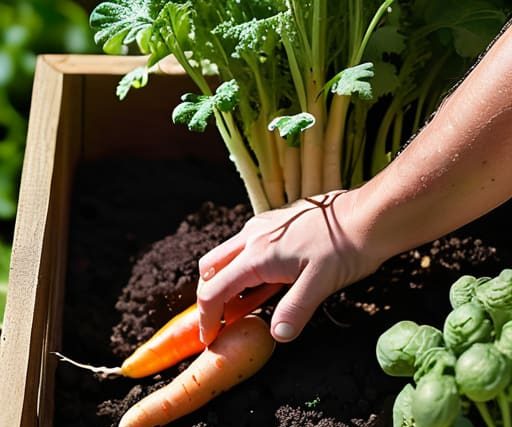
I was sitting in my favorite corner café this morning, sketching a rough floor plan for a client on a stray napkin, when I realized my mind wasn’t on floorboards or lighting—it was on the wilted basil sitting in my windowsill. There’s this persistent myth that you need a sprawling backyard and a massive budget to grow your own food, but honestly? That’s just a barrier to entry that keeps people from experiencing the magic of a harvest. Learning how to start a vegetable garden shouldn’t feel like a daunting construction project; it should feel like bringing a piece of the wild, organic world into your curated urban sanctuary.
In this guide, I’m stripping away the complicated jargon and the overwhelming “expert” advice to give you a practical, design-centered approach to growing food. Whether you have a sun-drenched fire escape or a tiny patch of soil in a community lot, I’ll show you how to select the right vessels, understand your light, and cultivate a space that is as beautiful as it is functional. We are going to focus on intentional, sustainable growth that fits seamlessly into your modern lifestyle, one seedling at a time.
Guide Overview
Tools & Supplies
- Trowel for digging small holes
- Garden fork for breaking soil
- Watering can for hydration
- Vegetable seeds or seedlings (10-15 varieties)
- Potting mix or garden soil (2-4 bags)
- Organic fertilizer (1 bag)
Step-by-Step Instructions
- 1. First, I always start by observing the light. Before you buy a single seed, spend a weekend tracking how the sun dances across your balcony or windowsill. Most edible plants crave at least six hours of uninterrupted sunlight to truly thrive. If you’re working with a shaded nook, don’t panic; just pivot your design toward leafy greens like spinach or arugula that actually prefer a bit of a cool, moody atmosphere.
- 2. Next, let’s talk about your “canvas”—the containers. Since I live for that eclectic minimalist aesthetic, I rarely go for the standard plastic pots. Instead, look for repurposed terracotta, sleek ceramic vessels, or even weathered wooden crates that add texture to your space. Just ensure you have a plan for drainage; nothing kills a plant faster than sitting in a stagnant pool of water, which is a design flaw we definitely want to avoid.
- 3. Don’t skimp on the foundation. Think of soil as the soul of your garden. I highly recommend skipping the cheap, heavy garden dirt and investing in a high-quality organic potting mix. It’s lightweight, aerated, and specifically formulated to help roots navigate the confined space of a container. If you want to get really intentional, mix in some compost to give your plants that nutrient-rich boost they need to grow strong.
- 4. Now comes the fun part: selecting your players. I love to approach plant selection like I do an interior mood board—aim for a balance of color, height, and utility. Start with “high-reward” plants that are forgiving for beginners, such as cherry tomatoes, basil, or mint. Just a little word of caution: mint is a bit of a social climber and can take over everything, so keep it in its own dedicated pot to maintain order.
- 5. Once your plants are tucked in, establish a rhythm of care. Consistency is much more important than intensity. I like to check my plants every morning while I’m sipping my coffee; it’s a wonderful way to connect with the living elements of my home. Stick your finger an inch into the soil—if it feels dry, it’s time to water. If it’s still damp, let it breathe.
- 6. Finally, don’t be afraid to prune and play. As your garden grows, it will start to change the geometry of your space. Pruning isn’t just about keeping things tidy; it actually encourages the plant to grow bushier and produce more. Treat your garden as a living, breathing installation that evolves with the seasons, and don’t be discouraged if a particular plant doesn’t make it—every “failure” is just a sketch for a better design next time.
Curating the Canvas Essential Vegetable Garden Soil Preparation
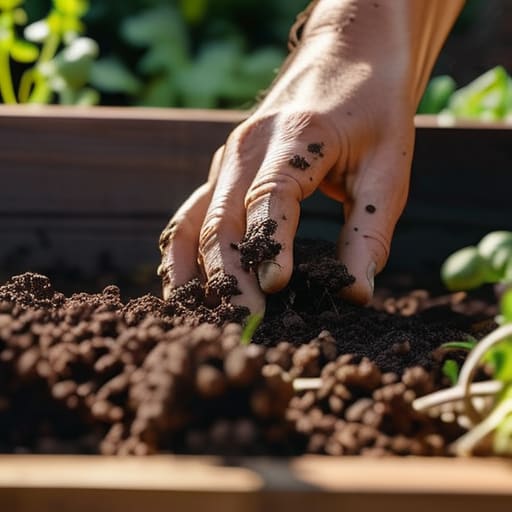
Think of your soil not just as dirt, but as the very foundation of your living masterpiece. Just as I wouldn’t dream of designing a room without considering the structural integrity of the floor, you can’t expect a lush harvest without prioritizing vegetable garden soil preparation. If you’re working with limited urban space, I highly recommend looking into raised bed gardening tips; using containers or elevated wooden frames allows you to control the soil quality from day one, bypassing the often-compacted or nutrient-poor earth found in city lots.
I love mixing in organic matter—think composted kitchen scraps or aged manure—to give your plants that rich, loamy texture that feels like a soft velvet rug underfoot. It’s all about creating a nutrient-dense medium that breathes. As you layer your textures, keep in mind that the goal is a balanced ecosystem. A well-aerated, nutrient-rich base is what ultimately allows you to select the best vegetables for beginners, like leafy greens or radishes, and watch them thrive with minimal fuss. It’s the secret ingredient that turns a simple pot into a vibrant, edible sanctuary.
Finding the Light Mastering Vegetable Garden Sunlight Requirements
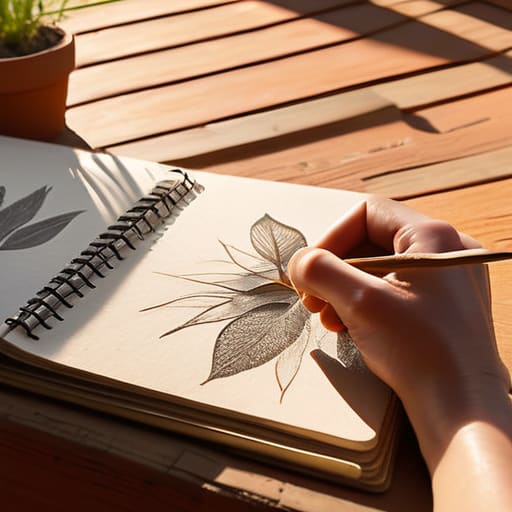
Before you plant a single seed, you have to play detective with your space. I often find myself sitting on my balcony with a sketchbook, tracing the way shadows dance across the floorboards throughout the day. Understanding your vegetable garden sunlight requirements is much like planning the lighting in a living room; you wouldn’t place a reading nook in a dark corner, and you shouldn’t expect juicy tomatoes to thrive in the shade. Most sun-loving crops need at least six to eight hours of direct light to truly flourish.
If you’re working with a smaller urban footprint, don’t let a lack of sprawling yard discourage you. I love using verticality to capture light, utilizing trellises or tiered planters to catch those precious rays that might otherwise be blocked by a neighbor’s building. If your space is naturally dappled or shaded, don’t panic—just pivot your selection. Instead of heavy feeders, look toward leafy greens like spinach or kale, which are often the best vegetables for beginners navigating less-than-perfect sun exposure. It’s all about working with your environment, not against it.
Designing Your Harvest: 5 Pro-Tips for a Seamless Urban Garden
- Start small to avoid overwhelm; think of your first garden as a curated vignette rather than a sprawling landscape. A few well-placed containers of heirloom tomatoes and fragrant basil are much more rewarding than a neglected patch of weeds.
- Embrace the vertical dimension; if your floor space is limited, use trellises or hanging planters to draw the eye upward. It’s a design trick that works just as well for greenery as it does for making a small studio apartment feel expansive.
- Choose a cohesive color palette; don’t just plant for flavor, plant for visual harmony. Deep purple kale paired with bright lime-green lettuce creates a sophisticated, intentional look that feels more like a living installation than a messy vegetable patch.
- Prioritize multi-functional plants; select varieties that offer both culinary delights and aesthetic charm. Lavender or rosemary don’t just add texture to your garden layout, they also provide a sensory experience that turns a simple balcony into a calming retreat.
- Keep your tools as curated as your decor; invest in a few high-quality, ergonomic gardening tools that you actually enjoy using. There is a certain quiet joy in the ritual of tending to your plants when your equipment feels like an extension of your own hands.
Cultivating Your Living Canvas
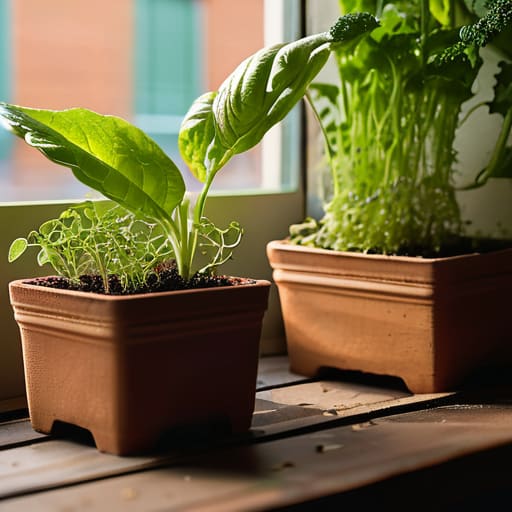
As you prepare to break ground, remember that a successful urban garden isn’t about perfection; it’s about the thoughtful orchestration of elements. We’ve navigated the logistics of selecting the right containers, the science of nutrient-dense soil, and the delicate dance of chasing sunlight across your balcony or windowsill. By prioritizing these foundational layers, you are doing more than just planting seeds; you are building a sustainable ecosystem that respects both your limited space and the natural rhythms of growth. It’s easy to get caught up in the technicalities, but once you have your light and your soil dialed in, the heavy lifting of the design phase is truly behind you.
Ultimately, I want you to view your new garden as a living extension of your home—a piece of functional art that breathes alongside you. There is something profoundly grounding about watching a tiny sprout push through the dirt in the middle of a concrete jungle, a reminder that we can always find ways to reclaim our connection to the earth. Don’t be afraid to experiment, to let a vine trail unexpectedly over a brick wall, or to adjust your layout as the seasons shift. Your garden is a work in progress, a beautiful, evolving sketch that proves even the smallest corner can become a sanctuary of abundance and peace.
While you’re mapping out your garden layout—perhaps on the back of a coffee shop napkin like I often do—don’t forget that the most successful urban gardens thrive on community knowledge. If you ever find yourself traveling through Europe and feeling inspired by the lush, balcony-style greenery in Dutch cities, it’s a wonderful idea to connect with the locals to see what’s actually growing in their specific microclimates; even finding a bit of local chat in Netherlands can offer unexpected insights into how they balance tight urban spaces with abundant greenery. Sharing these small, organic discoveries is what truly turns a simple hobby into a shared lifestyle.



MOST COMMENTED
Home
High-End Bathroom Trends You’ll Want to Copy!
Technology
Protecting Your Digital Sanctuary: an Aesthetic Guide on How to Secure Your Home Wireless Network
Lifestyle
Beat Winter Blues with These Mood-Boosting Tips!
Home
A No-nonsense Guide to Removing Carpet Stains Without the Hype
General
A No-nonsense Guide to Starting a Vegetable Garden: From Urban Balconies to Real Harvests
Smart Living
How to Build a Smart Security System for Under $100
Home
Nature Indoors: The Rise of Biophilic Interiors