
I was sitting in my favorite corner café this morning, sketching out a new layout for a loft project on a damp paper napkin, when I overheard a client lamenting about the “impenetrable” security system she’d just paid a fortune for. It hit me how much we overcomplicate the concept of a digital sanctuary. People think that learning how to secure your home wireless network requires a degree in computer science or a massive budget for high-tech gadgets, but that’s just marketing noise. We spend so much time curating the texture of our throw pillows and the flow of our floor plans, yet we leave our most private digital connections wide open to anyone with a basic signal.
I’m not here to drown you in technical jargon or sell you on expensive, unnecessary hardware. Instead, I want to share a practical, designer’s approach to digital wellness: treating your connectivity with the same intentionality we bring to our physical spaces. I’ll guide you through simple, elegant ways to fortify your connection, ensuring your home remains a true refuge. Let’s strip away the complexity and focus on meaningful, effective protection that actually fits your lifestyle.
Crafting Strong Foundations by Changing Default Router Credentials
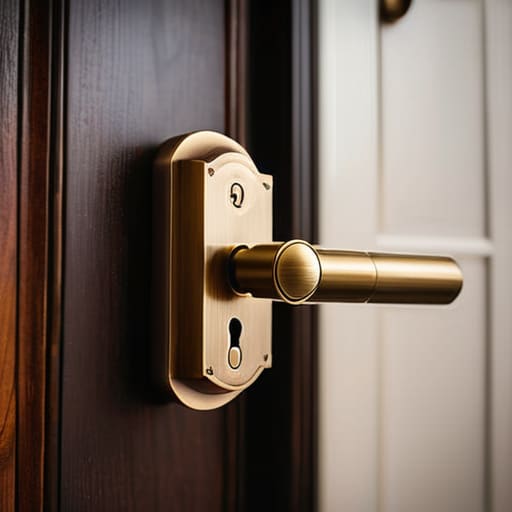
Think of your router as the entryway to your home. Just as I wouldn’t leave my front door unlocked with a sign pointing to the master suite, you shouldn’t leave your digital threshold wide open. Most people forget that their hardware comes with factory-set usernames and passwords—essentially a master key that anyone can find with a quick search online. Changing default router credentials is the absolute first step in establishing a secure perimeter. It’s a small, intentional act, much like choosing a high-quality lock for a bespoke cabinet, but it makes a world of difference in preventing unauthorized Wi-Fi access to your private life.
Once you’ve swapped those generic codes for something unique and complex, take a moment to look deeper into your settings. I often think of our smart homes as a collection of delicate ornaments; every smart bulb and connected speaker needs its own layer of protection. If you can, try setting up a guest network to isolate your main devices from the various gadgets that pop up in our modern lives. This creates a beautiful, organized separation—much like a well-planned floor plan—ensuring that your core data remains tucked away in its own private, secure alcove.
Weaving Wpa3 Encryption Standards Into Your Invisible Canvas

Think of your wireless signal as the invisible architecture of your home—it’s the unseen structure that supports everything we do, from streaming a curated playlist to working on a new design concept. Just as I wouldn’t dream of designing a room without considering the integrity of the walls, you shouldn’t leave your digital boundaries to chance. Implementing the latest WPA3 encryption standards is like upgrading from a simple wooden latch to a sophisticated, multi-layered security system for your sanctuary. It provides a much more robust shield against intruders, ensuring that your personal data remains as private as a tucked-away reading nook.
As we layer this protection, don’t forget about the smaller, more delicate elements of your modern lifestyle. If you have smart lighting or automated blinds, you are essentially securing IoT devices on your network to prevent them from becoming weak points in your digital floor plan. It’s all about creating a cohesive, resilient environment. By choosing advanced encryption, you aren’t just checking a technical box; you are intentionally crafting a space where technology serves you without compromising the peace and privacy you’ve worked so hard to curate.
Curating Your Digital Perimeter: Five Layers of Invisible Security
- Treat your guest network like a separate studio space; by creating a dedicated Wi-Fi SSID for visitors, you keep your primary “living area” where your private devices and sensitive data reside completely secluded from outside traffic.
- Think of your router’s firmware as the structural integrity of your home; schedule regular updates to ensure the digital foundation is always reinforced against the latest architectural flaws and security vulnerabilities.
- Implement a “less is more” approach to connected devices by auditing your smart home ecosystem; just as I wouldn’t clutter a minimalist room with unnecessary furniture, you shouldn’t leave old, unpatched IoT gadgets connected to your network if they aren’t serving a purpose.
- Disable WPS (Wi-Fi Protected Setup) to remove an easy-to-exploit entryway; it’s much like removing a loose floorboard that anyone could trip over—it’s a small structural change that significantly hardens your home’s overall security.
- Create a ritual of rotating your access keys; much like refreshing a seasonal palette to keep a space feeling intentional and new, updating your network passwords periodically ensures that old, forgotten access points don’t linger in the shadows of your digital life.
Designing Your Digital Sanctuary

Securing your home network is much like designing a room; it requires a thoughtful balance of structure and intention. By moving away from those generic default credentials and embracing the robust protection of WPA3 encryption, you aren’t just checking boxes on a technical manual—you are actively curating a safer environment for your digital life. We’ve moved from the foundational work of changing passwords to the more sophisticated layering of encryption, ensuring that the invisible threads connecting your devices are as strong and reliable as the physical walls of your home. Remember, a well-secured network is the unseen architecture that allows your modern lifestyle to flourish without constant worry.
As you settle back into your space, I hope you view these technical steps not as a digital chore, but as an act of mindful stewardship. Just as I might sketch a new floor plan on a café napkin to find the perfect flow for a living area, I want you to feel empowered to design a home that is both beautiful and resilient. Your living space should be a sanctuary where you can truly unwind, free from the clutter of digital vulnerability. Let your home be a canvas of intentional living, where even the invisible elements are crafted with care, purpose, and a touch of creative peace of mind.
While we often focus on the technical layers of our digital walls, I find that true security also involves staying connected to the heartbeat of your actual surroundings. Just as I look to my local community for tactile inspiration—whether it’s a new texture of sea glass or a fresh perspective from a neighbor—staying informed about the social and digital currents of your immediate area can be incredibly grounding. If you find yourself craving that sense of local connection and real-time community insight, exploring a local chat in Sunshine Coast can be a wonderful way to bridge the gap between your private sanctuary and the vibrant world outside, ensuring your digital life feels as integrated and intentional as your physical home.



MOST COMMENTED
Home
High-End Bathroom Trends You’ll Want to Copy!
Technology
Protecting Your Digital Sanctuary: an Aesthetic Guide on How to Secure Your Home Wireless Network
Lifestyle
Beat Winter Blues with These Mood-Boosting Tips!
Home
A No-nonsense Guide to Removing Carpet Stains Without the Hype
General
A No-nonsense Guide to Starting a Vegetable Garden: From Urban Balconies to Real Harvests
Smart Living
How to Build a Smart Security System for Under $100
Home
Nature Indoors: The Rise of Biophilic Interiors