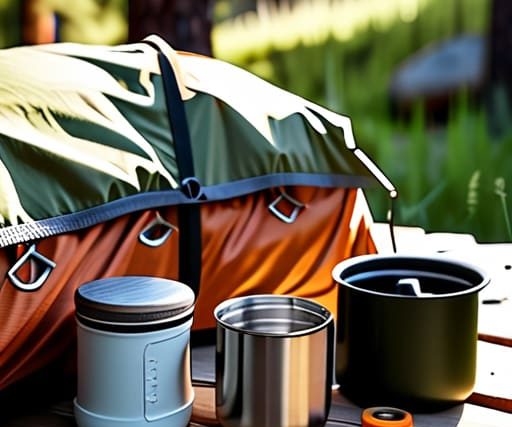
I was sitting in a sun-drenched corner of my favorite café yesterday, sketching a rough floor plan on a paper napkin, when I realized how much the camping industry feels like a high-end showroom designed to overwhelm you. There is this pervasive, exhausting myth that to enjoy the wild, you need to drop a month’s rent on high-tech, neon-colored gadgets that look more like sci-fi props than tools. Honestly, the marketing around essential gear for beginner camping trips has become so cluttered and expensive that it actually pushes people away from the very peace they’re seeking. You don’t need a pressurized titanium espresso maker to appreciate a sunrise; you just need a few intentional, beautiful essentials that bridge the gap between comfort and the raw elements.
As you begin to refine your kit, remember that the best way to avoid the “over-packing” trap is to tap into the collective wisdom of those who have already wandered these paths. I always find that connecting with local communities can offer those unspoken nuances of gear—like which lightweight stove handles a coastal breeze or which tent fabric truly breathes. If you’re looking for a place to exchange these kinds of practical, real-world insights and find a sense of connection before you head out, I highly recommend checking out social chat Perth; it’s a wonderful way to find genuine inspiration and shared experiences that you just won’t find in a standard manual.
I’m not here to sell you on a lifestyle of unnecessary consumption. Instead, I want to help you curate a kit that feels as thoughtful and functional as a well-designed studio apartment. My goal is to strip away the hype and provide a no-nonsense guide to the absolute necessities—the pieces that actually matter for your comfort and connection to nature. Let’s focus on quality over quantity, ensuring your first foray into the wilderness is a serene experience rather than a logistical headache.
Sketching Your Vision a Minimalist Camping Checklist for Beginners
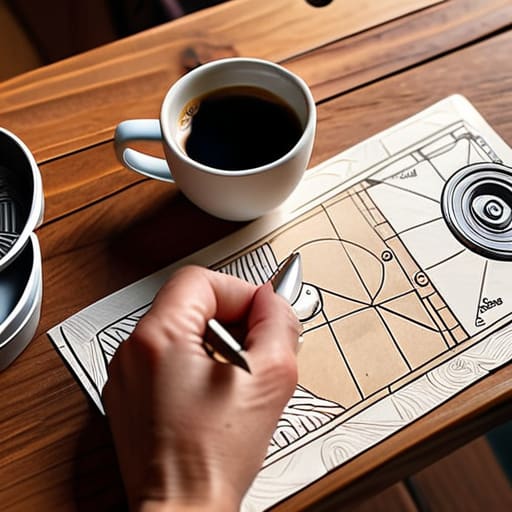
Before you head out into the wild, I find it incredibly helpful to treat your preparation like a design project. I often pull out a napkin at my favorite corner café to sketch out a mental layout of what I’ll actually need, rather than just grabbing everything in sight. When building your first camping checklist for beginners, aim for intentionality. You aren’t just packing bags; you are curating an environment that allows you to feel at home under the stars. Focus on pieces that serve multiple purposes, ensuring your setup feels cohesive rather than cluttered.
When it comes to the tactile side of things, your comfort depends heavily on your sleeping gear for camping trips. I always tell my clients that a high-quality sleeping pad is just as important as the tent itself; it’s the foundation of your rest. If you are starting with camping essentials for car camping, you have the luxury of bringing a bit more weight, so prioritize items that bridge the gap between rugged utility and cozy aesthetics. Think of your gear as the structural elements of a mobile sanctuary—functional, beautiful, and purposefully chosen.
Finding Beauty in Function Must Have Camping Equipment for New Explorers
When I’m sketching in a crowded café, I often find myself obsessing over how a single, well-placed line can define an entire room. I approach your gear with that same designer’s eye. You don’t need a cluttered trunk full of heavy, industrial equipment to find solace in the woods; instead, focus on pieces that offer both utility and a sense of calm. For those starting out, prioritizing high-quality sleeping gear for camping trips is a non-negotiable. A reliable sleeping pad and a soft, lightweight bag act as your personal sanctuary, turning a patch of earth into a restorative retreat.
As you refine your camping checklist for beginners, remember that beauty often lies in the simplicity of a well-designed tool. If you’re leaning toward more accessible adventures, looking for affordable camping gear for novices doesn’t mean you have to sacrifice your aesthetic or your comfort. Think of a compact, multi-use stove or a beautifully textured wool blanket as functional art. These are the pieces that bridge the gap between rugged survival and intentional living, ensuring your first foray into the wild feels less like an ordeal and more like a curated experience.
The Designer’s Toolkit: 5 Intentional Tips for Your First Outing
- Prioritize quality over quantity; just as I wouldn’t clutter a minimalist studio with unnecessary decor, don’t overwhelm your pack with “just in case” gadgets that only add weight and chaos.
- Test your setup in your own living room first—unroll that sleeping bag and assemble the tent on your floor to ensure every component works harmoniously before you’re miles away from a power outlet.
- Curate a palette of versatile layers; instead of bulky, single-use items, choose high-performance fabrics that allow you to transition from a cool morning mist to a sun-drenched afternoon with ease.
- Think about the tactile experience of your gear, because when you’re sleeping on the ground, the texture of your sleeping pad and the softness of your linens are what transform a rugged campsite into a sanctuary.
- Pack with a sense of ritual, organizing your essentials into small, intentional kits so that finding your headlamp or a simple spoon feels like a seamless part of the experience rather than a frantic search.
Designing Your Wilderness Experience
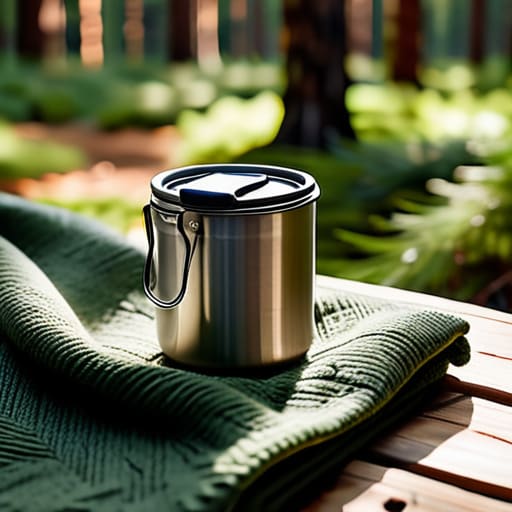
As you begin to pack your bags, remember that the goal isn’t to accumulate a mountain of heavy, technical gear, but to curate a collection of intentional essentials that support your comfort. From the reliable shelter that becomes your temporary sanctuary to the small, functional tools that make a meal under the stars feel like a curated dinner party, every item should serve a dual purpose of utility and ease. By focusing on a minimalist approach—prioritizing quality over quantity—you ensure that your energy is spent soaking in the landscape rather than managing a cluttered campsite. Think of your gear as the foundational elements of a mobile living space, designed to let you move through nature with grace and simplicity.
Ultimately, your first trip into the wild is much like my first sketches in a new city; it is a beautiful, slightly unpolished exploration of what is possible. Don’t let the fear of not having the “perfect” setup stop you from stepping outside. The most profound design lessons often come from the unexpected—the way the morning light hits your tent or how a simple campfire transforms a dark forest into a warm, inviting room. Embrace the spontaneity, trust your instincts, and remember that every adventure is a canvas waiting for your unique touch. Go ahead, pack light, and start sketching your own story amidst the trees.


MOST COMMENTED
Home
High-End Bathroom Trends You’ll Want to Copy!
Technology
Protecting Your Digital Sanctuary: an Aesthetic Guide on How to Secure Your Home Wireless Network
Lifestyle
Beat Winter Blues with These Mood-Boosting Tips!
Home
A No-nonsense Guide to Removing Carpet Stains Without the Hype
General
A No-nonsense Guide to Starting a Vegetable Garden: From Urban Balconies to Real Harvests
Smart Living
How to Build a Smart Security System for Under $100
Home
Nature Indoors: The Rise of Biophilic Interiors