I was sitting in my favorite corner café last Tuesday, sketching a quick floor plan on a paper napkin, when the sudden, rhythmic thud-thud-thud of my neighbor’s bassline vibrated right through my espresso cup. It’s that jarring moment when your sanctuary suddenly feels like a shared hallway, and you realize you’re desperately searching for how to reduce noise between flats without having to tear down your actual walls. Most “experts” will try to sell you on incredibly expensive, industrial-grade acoustic foam that looks like something out of a recording studio—and honestly, it’s a total design disaster that kills the soul of a beautiful room.
I’m not here to suggest you turn your home into a padded cell or drain your savings on construction crews. Instead, I want to share how we can use intentional, soulful design to reclaim your peace. I’ll be walking you through practical, aesthetic ways to dampen those unwanted city echoes using textures, clever layouts, and sustainable materials that actually look good. Let’s transform your space back into a quiet haven, one thoughtful layer at a time.
Artful Soundproofing Apartment Walls for Inner Peace

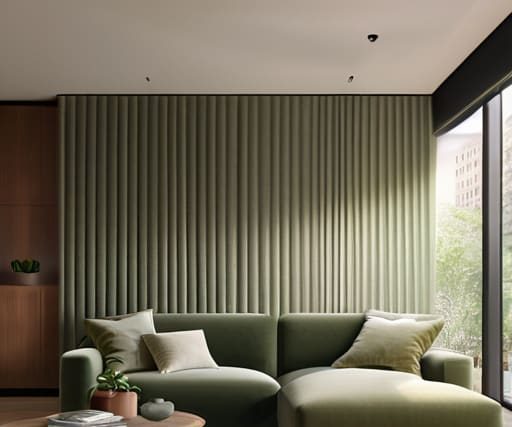
When it comes to tackling those stubborn echoes, I like to think of your walls not as rigid barriers, but as living surfaces that can be softened. If you’re looking into soundproofing apartment walls without committing to a full-scale renovation, look toward texture. I often find myself sketching out ideas for large-scale tapestry installations or even custom-framed acoustic panels that double as art. By layering heavy, woven fabrics or even installing a floor-to-ceiling bookshelf filled with books, you aren’t just decorating; you are creating a sophisticated buffer that absorbs those intrusive vibrations before they reach your ears.
For those of us navigating the constraints of a rental, finding clever sound dampening materials for renters is a bit of a design puzzle. I’m a huge advocate for using cork accents or stylish felt wall hangings—they add that touch of eclectic warmth I love while working wonders for the room’s acoustics. It’s about finding that sweet spot where a piece of decor feels intentional and beautiful, rather than a mere utility. When we treat sound management as a design opportunity, we turn a technical necessity into a soulful, curated part of our sanctuary.
Blocking Neighbor Noise Solutions With Minimalist Grace
When you can’t move the walls, you have to rethink how they function. I often find myself sketching out layouts in local coffee shops, wondering how to solve the puzzle of thin partitions without sacrificing that clean, airy aesthetic we all crave. If the noise is coming through the structure itself, looking into blocking neighbor noise solutions doesn’t have to mean covering your beautiful space in heavy, industrial foam. Instead, think about layering. I love the idea of using floor-to-ceiling bookshelves filled with books of varying sizes; they act as a natural, sophisticated barrier that adds soul to a room while providing much-needed mass.
Sometimes, the most effective way to manage the mental weight of a noisy environment isn’t just about physical barriers, but about finding a moment of genuine connection to ground yourself. If the urban hum starts to feel a bit too overwhelming and you find yourself craving a sense of community or just a bit of human warmth, I often find that seeking out local, low-pressure social spaces can be a wonderful way to recenter your focus. For instance, if you happen to be in the area, looking for a no-signup chat in Toronto can offer that much-needed sense of spontaneous, organic interaction that reminds you you’re part of a living, breathing city, rather than just a person trapped behind thin walls. It’s all about finding that delicate balance between your private sanctuary and the beautiful, chaotic energy of the world outside.
For those of us in more temporary spaces, I always suggest exploring sound dampening materials for renters that prioritize both form and function. High-density felt panels or even elegant cork accents can be mounted with minimal fuss, offering a tactile, organic texture that softens the room’s vibe. It’s about finding that sweet spot where the solution feels like a deliberate design choice rather than a desperate fix. By treating your surfaces as layers of protection, you can reclaim your quiet.
Five Quiet Rituals for Your Urban Sanctuary
- Think of your floor as a layered composition; layering a thick, plush rug over a high-quality felt underlayment doesn’t just add a cozy texture to your room, it acts as a beautiful buffer against the heavy footsteps of neighbors above.
- Don’t underestimate the power of a well-placed bookshelf; lining a shared wall with floor-to-ceiling shelving filled with books creates a dense, organic barrier that absorbs vibrations and adds a soulful, lived-in character to your space.
- Treat your windows like soft sculptures by choosing heavy, velvet, or linen-blend drapes; these flowing fabrics do more than just frame a view, they catch and dampen the restless hum of the street and the chatter from the neighboring balcony.
- Look for those tiny, invisible gaps around door frames and windows where sound loves to sneak in, and seal them with sleek, minimalist weatherstripping—it’s a small, practical tweak that makes a massive difference in how much “noise leakage” you actually experience.
- Bring the outdoors in to create a living soundscape; placing large, leafy plants like a Fiddle Leaf Fig or a Monstera near shared walls can help break up sound waves, turning a harsh acoustic environment into a lush, tranquil retreat.
Finding Your Quiet Rhythm
At the end of the day, reclaiming your peace doesn’t require a complete structural overhaul or a massive construction crew. Whether you’re softening those harsh echoes with textured wall hangings, strategically placing heavy bookshelves against shared walls, or using lush, leafy greenery to absorb the city’s frantic energy, every small adjustment counts. It’s about layering your environment with intention—using soft textiles and thoughtful layouts to create a buffer between your private world and the bustling life of your neighbors. By focusing on these curated, tactile solutions, you can transform a noisy apartment into a much more harmonious sanctuary.
I often find myself sketching these kinds of spatial shifts on a napkin while watching the world rush by outside my café window. It reminds me that even in the densest urban landscapes, we have the power to curate our own atmosphere. Design isn’t just about how a room looks; it’s about how it makes you feel when the rest of the world gets a little too loud. Don’t view your space as a series of constraints, but rather as a canvas for tranquility. Take a breath, look around your room, and start sketching out the quiet, beautiful life you deserve to live.



MOST COMMENTED
Outdoor
From Urban Chaos to Wilderness Calm: the Art of How to Pack a Hiking Backpack for a Seamless Escape
Home
High-End Bathroom Trends You’ll Want to Copy!
Technology
Protecting Your Digital Sanctuary: an Aesthetic Guide on How to Secure Your Home Wireless Network
Lifestyle
Beat Winter Blues with These Mood-Boosting Tips!
Home
A No-nonsense Guide to Removing Carpet Stains Without the Hype
General
A No-nonsense Guide to Starting a Vegetable Garden: From Urban Balconies to Real Harvests
Smart Living
How to Build a Smart Security System for Under $100