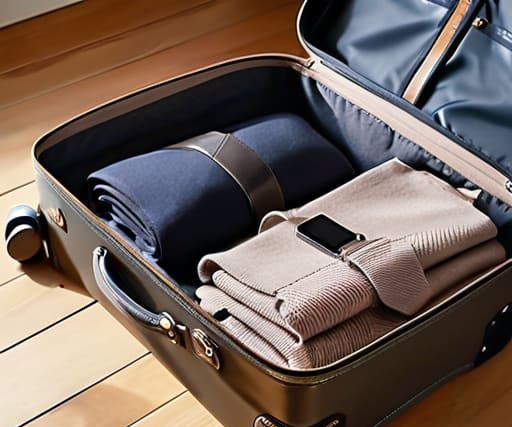
I was sitting in a sun-drenched corner of a tiny café in Copenhagen last autumn, sketching the way the light hit the exposed brickwork, when I realized my entire life was currently crammed into a single, chaotic mess of a backpack. I looked down at my napkin—half-finished floor plan and all—and felt that familiar, stinging frustration. We’ve been sold this lie that traveling light requires a specialized, high-tech wardrobe or a complex system of rigid containers that cost more than the flight itself. But honestly? Learning how to pack a carry on bag shouldn’t feel like a high-stakes engineering project; it should feel like curating a miniature sanctuary that moves with you through the world.
I’m not here to give you a laundry list of expensive gadgets or “must-have” gear that just ends up taking up more space. Instead, I want to share the practical, design-led logic I use to bridge the gap between my coastal roots and my urban hustle. I’ll show you how to treat your luggage like a well-designed room—where every piece has a purpose, every texture serves a function, and nothing is wasted. This is about intentionality over excess, ensuring you arrive at your destination feeling light, inspired, and ready to explore.
Mastering Space Saving Packing Methods for Urban Exploration
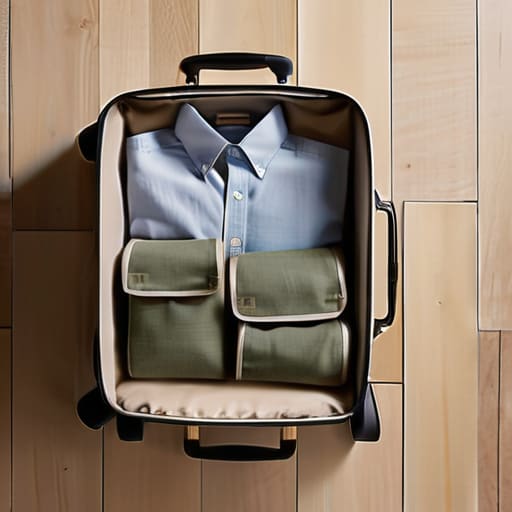
When I’m prepping for a weekend trip to a new city, I treat my suitcase like a tiny, curated floor plan. It’s all about intentionality. Instead of just tossing things in, I rely heavily on packing cubes for efficient organization to create distinct “zones” within my bag, much like how I’d divide a studio apartment. This method keeps my delicate linens separate from my heavier denim, preventing that chaotic scramble when I’m trying to find a specific piece in a cramped hotel room.
The real magic, however, happens in the texture of the fold. I’ve spent years experimenting with rolling vs folding clothes for travel, and I’ve found that a hybrid approach is the secret to a seamless journey. I roll my soft cotton tees and knits to eliminate bulk and prevent deep creases, but I prefer a neat, flat fold for my structured blazers. By treating my clothes as structural elements rather than just clutter, I can effectively master maximizing small suitcase space, leaving plenty of room for that unexpected vintage find I inevitably stumble upon in a local boutique.
Curating Your Essential Carry on Items Checklist
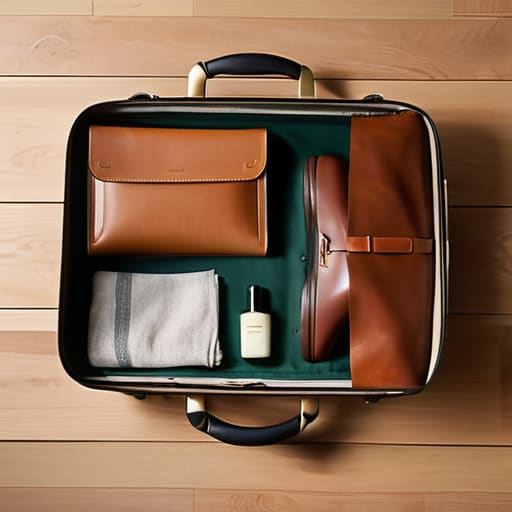
When I sit down at a corner café to sketch out a new layout, I realize that curation is just as important as composition. The same applies to your luggage. Instead of viewing your suitcase as a storage bin, treat it like a carefully curated gallery. Start by building your essential carry-on items checklist around a cohesive color palette. This isn’t just about aesthetics; it’s a functional strategy that ensures every piece you pack can be layered and reinvented, allowing you to transition seamlessly from a morning museum stroll to an evening rooftop dinner.
To keep the clutter at bay, I swear by packing cubes for efficient organization. They act like the structural bones of your bag, keeping your delicate linens separate from your heavier knits. I often find myself debating rolling vs folding clothes for travel depending on the fabric; I’ll roll my cotton tees to save precious inches, but I always fold my more structured blazers to maintain their silhouette. By treating your belongings with this level of intentionality, you turn the chaos of transit into a streamlined, elegant experience.
The Designer’s Edit: Five Rules for a Curated Carry-On
- Think in Layers, Not Volumes: Instead of heavy, singular pieces, pack versatile layers that mimic the textures I love—a lightweight linen shirt, a structured blazer, and a soft knit. It’s about creating a modular wardrobe that transitions from a morning museum stroll to a dimly lit bistro without needing a trunk full of clothes.
- The Capsule Color Palette: To keep your aesthetic cohesive and your space uncluttered, stick to a tight, intentional color story. I find that mixing neutrals with one or two organic tones—like a soft seafoam or a warm terracotta—makes every combination feel intentional and effortless.
- Prioritize Multi-Functional Geometry: Choose items that work overtime. A large, beautiful silk scarf can be a headwrap, a shawl for a breezy evening, or even a makeshift cushion. In a small bag, every object should earn its place by serving more than one purpose.
- Utilize Compression with Intention: I’m a big fan of packing cubes, but don’t just shove things in. Use them to categorize your life—one for “city hustle” essentials and one for “coastal ease” loungewear. It keeps your bag organized and prevents that chaotic feeling when you’re searching for a charger in a cramped hotel room.
- The Beauty of the Micro-Kit: Don’t let your toiletries swallow your space. Transfer your essentials into tiny, chic glass vials. It’s much more sustainable than single-use plastics, and it turns your morning routine into a small, curated ritual rather than a cluttered necessity.
The Final Sketch: Embracing the Art of Less
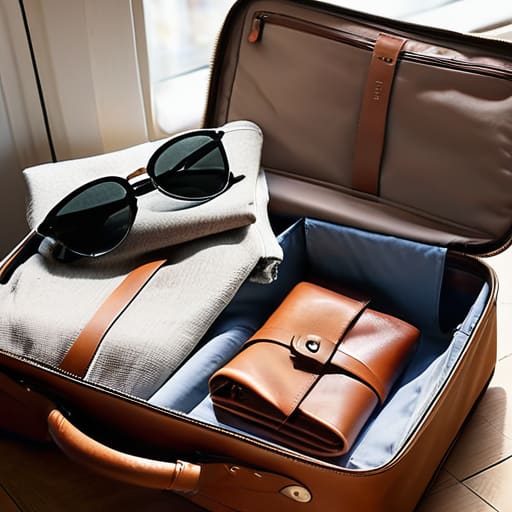
As you prepare to zip up your bag, remember that effective packing is less about the volume of what you carry and more about the intentionality behind every choice. By mastering space-saving techniques like rolling your linens and utilizing those clever packing cubes, you aren’t just saving room; you are reclaiming your mobility. We’ve moved from the tactical logistics of compression to the soulful curation of a checklist that reflects your true self—blending that coastal ease with a sharp, urban edge. Ultimately, a well-organized carry-on is your portable sanctuary, ensuring that your focus remains on the architecture of the cities you visit rather than the weight on your shoulders.
At the end of the day, design is about more than just how a room looks; it is about how a space—or in this case, a bag—makes you feel. I want you to step into your next adventure feeling light, unburdened, and ready to capture every fleeting moment of inspiration. Don’t let the clutter of “just in case” items dim the brilliance of your journey. Treat your travel kit like a beautifully curated minimalist gallery: every piece should have a purpose and a place. Now, grab your sketchbook, leave the excess behind, and go transform the world into your own personal canvas.
While I’m usually preoccupied with the tactile feel of a linen blend or the perfect silhouette of a structured blazer, I’ve learned that true mobility requires a certain mental lightness as much as a physical one. Sometimes, the best way to prepare for a new city is to connect with the people who already call it home, finding those hidden pockets of culture that no guidebook could ever capture. I often find myself browsing the Vorarlberg chat community to get a sense of the local rhythm before I even book my flight, ensuring my minimalist kit is perfectly tuned to the authentic pulse of my destination.

MOST COMMENTED
Outdoor
From Urban Chaos to Wilderness Calm: the Art of How to Pack a Hiking Backpack for a Seamless Escape
Home
High-End Bathroom Trends You’ll Want to Copy!
Technology
Protecting Your Digital Sanctuary: an Aesthetic Guide on How to Secure Your Home Wireless Network
Lifestyle
Beat Winter Blues with These Mood-Boosting Tips!
Home
A No-nonsense Guide to Removing Carpet Stains Without the Hype
General
A No-nonsense Guide to Starting a Vegetable Garden: From Urban Balconies to Real Harvests
Smart Living
How to Build a Smart Security System for Under $100