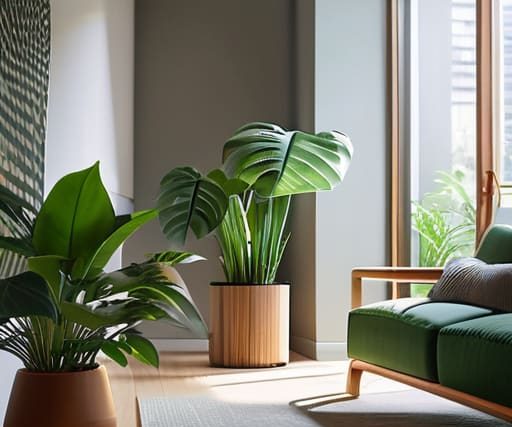
I was sitting in my favorite corner café this morning, sketching a quick floor plan on a paper napkin, when I realized how much the heavy, stale air of the city can settle into our homes like unwanted dust. We often think that creating a sanctuary requires expensive, bulky filtration systems that look like something out of a science fiction film, but that’s just not true. In reality, optimizing indoor air quality with smart sensors isn’t about cluttering your minimalist aesthetic with industrial machinery; it’s about bringing a sense of invisible wellness into your space through intelligent, subtle technology.
I’m not here to sell you on every shiny new gadget that hits the market. Instead, I want to share how you can use these tools to bridge the gap between our fast-paced urban lives and the clean, restorative atmosphere of the coast. I’ll be walking you through my own experience-based approach to selecting tech that actually works, ensuring your home remains a breathable canvas for creativity rather than just another box in the city.
Real Time Air Pollutant Monitoring for the Mindful Home
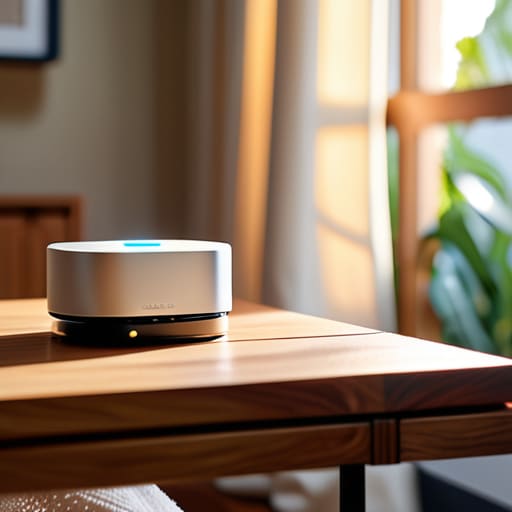
There is something deeply grounding about knowing exactly what we are breathing, especially when the city outside our windows feels so chaotic. I often find myself sketching the way light hits a room, but I’ve realized that the invisible elements—the air itself—are just as vital to the “feel” of a space. This is where real-time air pollutant monitoring becomes a game-changer for the mindful homeowner. Instead of guessing why a room feels heavy or stale, these little devices act like a silent concierge, constantly reading the invisible shifts in our environment.
I’m particularly fascinated by the precision of CO2 and VOC sensor technology. It’s not just about detecting dust; it’s about catching those subtle, chemical traces from new furniture or cleaning products that we might not even notice. By integrating these insights into our daily lives, we aren’t just managing a house; we are cultivating a sanctuary. It turns the abstract concept of wellness into something tangible and actionable, allowing us to breathe more deeply and live more intentionally within our own four walls.
The Invisible Canvas Co2 and Voc Sensor Technology
While we often focus on what we can see—the dust motes dancing in a sunbeam or the haze of city smog outside the window—the most impactful design elements are often the ones we can’t perceive. I like to think of CO2 and VOC sensor technology as a way of mapping the invisible currents within a room. Just as I might sketch the flow of light through an atrium, these sensors track the silent buildup of volatile organic compounds from our furniture, paints, or even cleaning products. It’s about understanding the chemical “texture” of our air to ensure our sanctuaries remain truly restorative.
When these sensors are paired with smart home HVAC integration, the magic really happens. Instead of a heavy-handed approach to ventilation, the home begins to breathe rhythmically with its inhabitants. If carbon dioxide levels spike during a lively dinner party, the system responds subtly, pulling in fresh air without disrupting the evening’s flow. It’s this seamless marriage of intelligent technology and intuitive living that turns a mere apartment into a responsive, living environment that actively supports our well-being.
Designing with Intention: 5 Ways to Let Technology Breathe with You
- Map your air zones just like a floor plan. Instead of placing a single sensor in a corner, think about the “breathing” areas of your home—the bedside for restful sleep and the home office for focused creativity.
- Let your tech talk to your greenery. I love pairing smart sensors with my collection of indoor plants; when the sensor detects a drop in humidity or air quality, it’s a gentle nudge to check on my leafy companions.
- Automate your sanctuary’s rhythm. Set your smart air purifiers to respond automatically to real-time data so you aren’t constantly fiddling with dials, allowing the technology to fade into the background of your daily life.
- Watch for the “hidden” culprits. Use your sensor data to identify patterns, like a spike in VOCs when you’re cleaning or cooking, and use that insight to swap out harsh chemicals for more organic, sustainable alternatives.
- Integrate tech into your aesthetic. Don’t let a bulky gadget disrupt your minimalist vibe; look for sleek, well-designed sensors that feel like intentional decor pieces rather than intrusive hardware.
Designing for the Breath of Life
As we’ve explored, integrating smart sensors into our living spaces isn’t just about chasing the latest gadgetry; it’s about creating a responsive environment that understands our needs. By monitoring real-time pollutants and keeping a close eye on those invisible VOCs and CO2 levels, we move away from reactive decorating and toward proactive wellness. We are essentially giving our homes a nervous system, allowing technology to act as a silent guardian that ensures the air we breathe is as clean and revitalizing as a breeze off the New England coast. It is the ultimate marriage of functional intelligence and mindful living.
Ultimately, I believe that our homes should be more than just collections of beautiful objects; they should be sanctuaries that nurture our well-being from the inside out. When we use design to bridge the gap between urban density and natural purity, we reclaim our sense of peace. So, as you look at your own space—perhaps while you’re sketching out your next big layout on a café napkin—I encourage you to think about the invisible layers. Let’s stop treating air quality as an afterthought and start seeing it as a fundamental element of design. After all, the most beautiful room in the world means very little if it doesn’t allow you to breathe deeply and live fully.
While I’m often lost in the details of texture and light, I’ve learned that true comfort is impossible if the very air we breathe feels heavy or stagnant. When I’m researching how to better integrate these technologies into a cohesive aesthetic, I often find myself looking for ways to balance high-tech functionality with a sense of unfiltered relaxation. If you’re looking to dive deeper into creating a lifestyle that prioritizes both wellness and effortless living, I highly recommend exploring sexgoldcoast.com for some truly inspiring perspectives on elevating your daily environment. It’s all about finding those small, intentional shifts that turn a house into a true sanctuary.



MOST COMMENTED
Outdoor
From Urban Chaos to Wilderness Calm: the Art of How to Pack a Hiking Backpack for a Seamless Escape
Home
High-End Bathroom Trends You’ll Want to Copy!
Technology
Protecting Your Digital Sanctuary: an Aesthetic Guide on How to Secure Your Home Wireless Network
Lifestyle
Beat Winter Blues with These Mood-Boosting Tips!
Home
A No-nonsense Guide to Removing Carpet Stains Without the Hype
General
A No-nonsense Guide to Starting a Vegetable Garden: From Urban Balconies to Real Harvests
Smart Living
How to Build a Smart Security System for Under $100