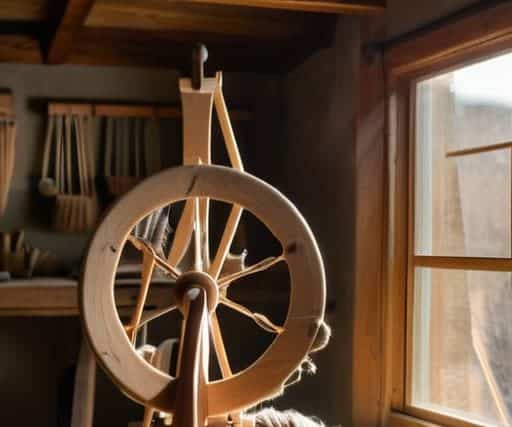
I still remember the stinging scent of cedar shavings and the ache in my knuckles after my first failed attempt at hand-carving a simple spoon. It wasn’t some polished, Pinterest-perfect moment; it was messy, frustrating, and incredibly loud in the silence of my garage. That was the moment I realized that slow-tech heritage crafts aren’t about achieving some aesthetic ideal for social media—they are about the grit of the process. There is a profound, almost primal satisfaction in working with tools that don’t require a software update, finding a rhythm that exists entirely outside of a glowing screen.
I’m not here to sell you on a romanticized, expensive fantasy of “returning to nature” that requires a thousand-dollar kit and a cabin in the woods. Instead, I want to pull back the curtain on what it actually looks like to reclaim these skills in a modern world. I’m going to share the unfiltered reality of learning these traditions, focusing on the practical, low-cost ways you can integrate them into your life. No fluff, no gatekeeping—just honest, hands-on guidance for anyone ready to build something real.
Table of Contents
The Soulful Rhythm of Mindful Craftsmanship
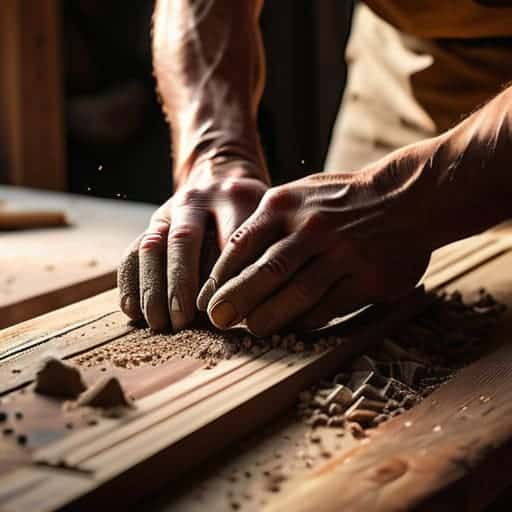
There is a specific kind of magic that happens when your world shrinks down to the size of a workbench. When you’re working with wood, clay, or fiber, the relentless hum of notifications and the blue-light haze of the screen simply evaporate. This isn’t just about making “stuff”; it is a profound digital detox through making. You stop reacting to the world and start responding to the material in your hands. There is a rhythm to it—a cadence of steady breathing and deliberate movement—that pulls you out of your head and anchors you firmly in the present moment.
In this space, mistakes aren’t errors to be deleted; they are lessons etched into the grain. Engaging in mindful craftsmanship forces a level of patience that our modern, high-speed existence has all but stripped away. You begin to realize that the value isn’t just in the finished object, but in the quiet, meditative hours spent perfecting a single joint or stitch. It is a slow, beautiful reclamation of our own attention, proving that the most meaningful connections are often the ones we forge with our own hands.
Preservation of Ancient Techniques in a Digital Age
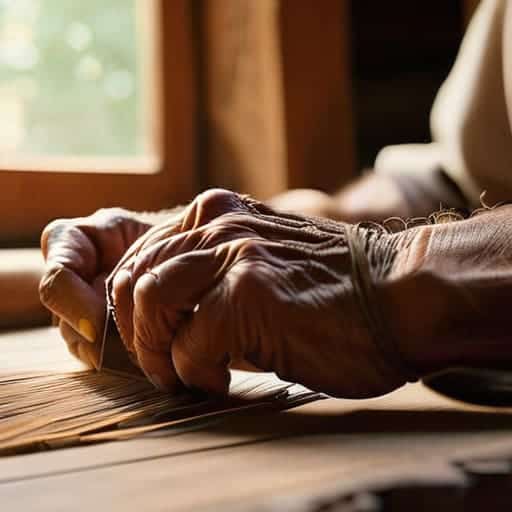
We live in an era where everything is optimized for speed, yet we’re losing the very muscle memory that defines our history. When we lean into the preservation of ancient techniques, we aren’t just playing dress-up with the past; we are reclaiming a lost language of the hands. There is a profound, almost meditative weight to using a hand-loom or a traditional carving knife—tools that demand your full presence and punish a wandering mind. Unlike the instant gratification of a touchscreen, these methods require a patience that feels increasingly radical in our hyper-connected world.
If you find yourself craving that same sense of raw, unfiltered connection in your personal life that you find in the tactile grit of a workshop, you might find it helpful to explore the local pulse of the city; for instance, looking into the nuances of sex in edinburgh can offer a different kind of intimate discovery that mirrors the vulnerability of learning something new. It’s all about that unapologetic presence, stepping away from the screen to engage with the world and the people in it through a lens of genuine, unhurried curiosity.
Choosing to engage in these tactile learning experiences serves as a vital bridge between generations. It’s about more than just making a bowl or weaving a basket; it’s about ensuring that the wisdom of our ancestors doesn’t dissolve into a cloud of digital data. By prioritizing artisanal production methods, we create a physical record of human intention that no algorithm can replicate. In doing so, we transform the act of making from a mere hobby into a quiet, necessary rebellion against the ephemeral nature of the modern age.
How to Start Without Losing Your Mind (or Your Patience)
- Forget the “expert” mindset immediately. You aren’t trying to produce a museum-grade masterpiece on day one; you’re just trying to get a feel for the grain of the wood or the tension of the thread. Embrace the clumsy, awkward stage—it’s where the actual learning happens.
- Curate a physical workspace that feels like a sanctuary, not a factory. If your tools are tucked away in a plastic bin under the bed, you’ll never use them. Find a corner with decent light, a comfortable chair, and let the tools live where you can see them.
- Resist the urge to buy the “all-in-one” professional starter kit. It’s a trap that leads to clutter and overwhelm. Start with one single, high-quality tool—a decent pair of shears or a solid carving knife—and learn its weight and soul before adding anything else.
- Turn off the digital noise while you work. The whole point of slow-tech is the sensory experience, and you can’t feel the rhythm of a loom or the resistance of clay if you’re scrolling through a feed. Make your craft a phone-free zone.
- Seek out the “living libraries.” Don’t just watch a 60-second timelapse on social media; find a local guild, a community workshop, or a slow-moving forum where people actually discuss the nuance of the process. There is no substitute for the wisdom passed down through hands.
The Heart of the Matter
Embracing slow-tech isn’t about rejecting progress; it’s about reclaiming the agency to choose depth over speed.
These ancestral skills serve as a vital bridge, ensuring that the wisdom of the hands isn’t lost to the convenience of the screen.
Real fulfillment often lives in the friction of the process—the patience required to master a craft is exactly what heals our modern fragmentation.
The Resistance of the Hand
“In an era that demands instant gratification and digital perfection, choosing to work with your hands is a quiet, radical act of reclamation—a way to prove that some things are only truly beautiful because they take time to exist.”
Writer
The Thread That Connects Us
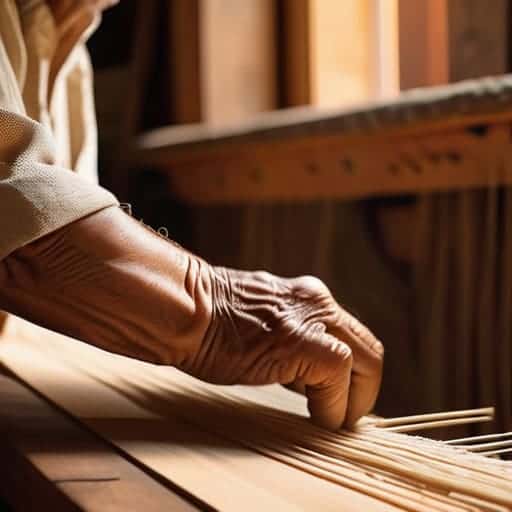
At the end of the day, embracing slow-tech heritage crafts isn’t about rejecting the modern world or retreating into a museum piece of the past. It is about reclaiming the intentionality that our digital lives so often strip away. We have explored how these ancient techniques offer a sanctuary for mindfulness and how the act of preservation keeps our collective history from fading into a blur of pixels. By choosing the loom, the chisel, or the needle, we aren’t just making objects; we are rebuilding a tangible connection to the rhythm of our own hands and the wisdom of those who came before us.
So, I challenge you to find your own way back to the tactile. It doesn’t have to be a grand, life-altering pursuit—it can be as simple as picking up a forgotten skill or learning to appreciate the beautiful imperfections of something made by hand. In a world that demands we move faster, faster, faster, there is a profound, quiet power in choosing to slow down. Let your hands tell a story that isn’t written in code, but in wood, clay, or thread. After all, the most meaningful things in life are rarely found in a click; they are forged in patience.
Frequently Asked Questions
How do I actually start learning these skills if I don't have any background in traditional crafts?
Don’t let the intimidation factor stop you. You don’t need a lineage of blacksmiths or weavers behind you to begin. Start small—look for local community workshops or “maker spaces” that offer introductory sessions in pottery, woodworking, or even basic embroidery. The key is to embrace the clumsy, frustrating beginner phase. Buy a modest starter kit, find a YouTube mentor who focuses on process over perfection, and just let your hands figure it out.
Is it realistic to incorporate these slow methods into a busy, modern work schedule without burning out?
Honestly? If you try to treat a craft like another item on your to-do list, you’ll burn out in a week. The trick isn’t finding “extra” time; it’s about changing how you use the time you already have. Don’t aim for a masterpiece by Sunday. Instead, let it be your decompression ritual—twenty minutes of weaving or sketching after the laptop closes. It’s not a hobby to master; it’s a way to exhale.
Where can I find authentic communities or mentors who still practice these techniques properly?
Finding the real deal isn’t as easy as a quick Google search, but that’s exactly why it matters. Skip the mass-marketed “hobbyist” groups. Instead, look toward local guilds, specialized heritage workshops, or even small-scale artisan cooperatives. Often, the best mentors aren’t shouting on social media; they’re tucked away in small studios or rural community colleges. Look for the practitioners who value the process over the profit—they’re the ones worth learning from.



MOST COMMENTED
Smart Living
10 Budget-Friendly Smart Home Upgrades Anyone Can Do
Home
Glass Walls: The Future of Modern Home Interiors
Lifestyle
7 DIY Ways to Instantly Reduce Stress!
Smart Living
Alexa vs. Google Home – Which Smart Speaker Wins?
Outdoor
How to Set Up an Outdoor Movie Night!
Lifestyle
How to Improve Focus & Mental Clarity Fast!
Home
Forget Minimalism! How to Nail Maximalist Style