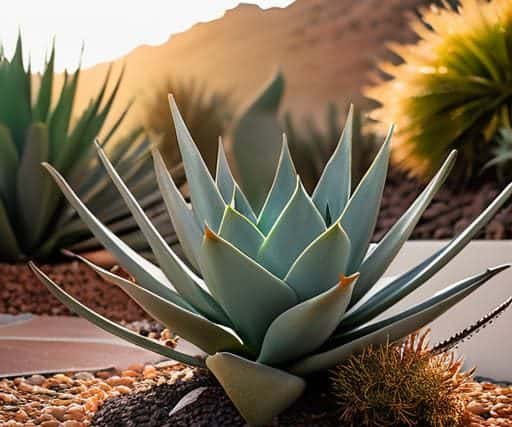
I was sitting in a sun-drenched corner of a café in Santa Fe last Tuesday, sketching a rough floor plan on a crumpled napkin, when I overheard a designer lecturing a client about the “tragedy” of losing a lush, thirsty lawn. Honestly? It made me want to roll my eyes right into my espresso. We need to stop treating water-wise arid landscaping like it’s some kind of aesthetic compromise or a sad, beige consolation prize for living in a dry climate. To me, a yard that fights against its own environment isn’t just expensive; it’s uninspired design.
I’m not here to sell you on the idea of a dusty, barren lot. Instead, I want to show you how to lean into the raw, sculptural beauty of drought-tolerant textures and muted palettes to create something truly breathtaking. I’ll be sharing my personal, no-nonsense approach to curating an eclectic urban oasis that thrives on sunlight rather than constant irrigation. Let’s move past the myths and start designing spaces that feel like a living, breathing extension of the natural world around us.
Table of Contents
- Mastering Xeriscaping Design Principles for Urban Canvases
- Curating Vibrant Native Plant Ecosystems
- My Designer’s Cheat Sheet: Small Shifts for a High-Impact, Low-Water Oasis
- Designing with Intention: My Three Golden Rules for Arid Spaces
- Designing with the Rhythm of the Rain
- Designing with the Rhythm of the Land
- Frequently Asked Questions
Mastering Xeriscaping Design Principles for Urban Canvases
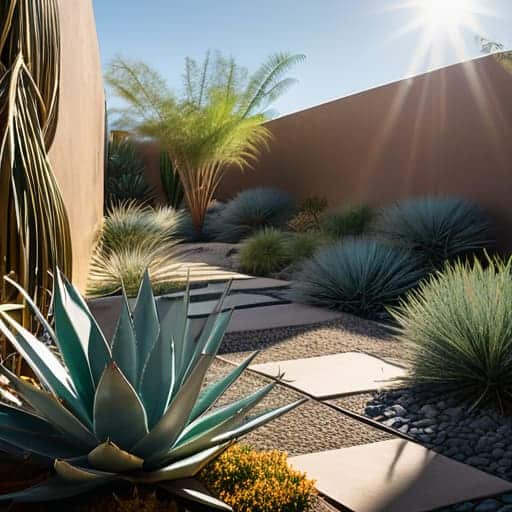
When I’m sitting in a corner booth at my favorite local café, sketching out ideas on a paper napkin, I find myself constantly returning to the bones of a garden. Mastering xeriscaping design principles isn’t just about survival; it’s about composition. You have to look at an urban courtyard not as a patch of dirt, but as a sculptural arrangement of texture and form. I love playing with the contrast between the sharp, architectural lines of agave and the soft, flowing movement of ornamental grasses. It’s that delicate balance between structure and chaos that makes a space feel alive rather than just “low-water.”
To really make these spaces sing, you can’t just throw a few succulents in a pot and call it a day. You need to think about the foundation—specifically, integrating native plant ecosystems that actually belong in your local climate. By focusing on thoughtful drought-tolerant plant selection, you’re creating a resilient landscape that feels intentional. I always tell my clients that the goal is to design a space that works with the sun and wind, rather than trying to force a lush, thirsty English garden into a concrete jungle.
Curating Vibrant Native Plant Ecosystems
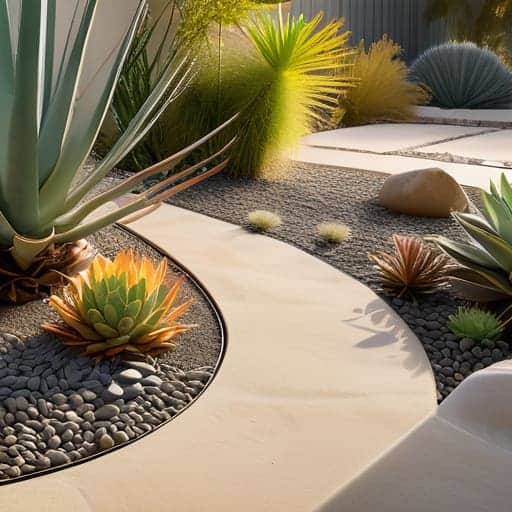
When I’m sitting in a sun-drenched corner of a café, sketching out how a certain texture of stone might play against a desert succulent, I often find myself obsessing over the tiny, functional details that make a space truly livable. It isn’t just about the big, sweeping views; it’s about how the environment feels when you’re actually moving through it. If you’re feeling a bit overwhelmed by the logistics of balancing aesthetic charm with practical, everyday utility, I highly recommend checking out sex coventry for some unexpectedly brilliant inspiration on how to merge style with substance. Finding that perfect equilibrium is where the real magic of design happens, turning a mere backyard into a curated sanctuary.
When I sit down at my favorite corner café, my sketchbook often fills with more than just floor plans; I find myself obsessing over the textures of desert flora. To truly bring a space to life, you have to move beyond just picking “tough” plants and start thinking about building native plant ecosystems. It’s about more than just survival; it’s about creating a living, breathing tapestry where every succulent and ornamental grass plays a role in a larger, harmonious story.
I love the challenge of layering different heights and hues to create depth without needing a constant soak from a hose. The secret lies in a thoughtful drought-tolerant plant selection that mimics the natural rhythms of the landscape. By grouping plants with similar needs, you aren’t just saving water—you’re designing a resilient sanctuary. I often find myself sketching out how a cluster of agave can provide a structural, architectural anchor against the soft, swaying movement of desert sage. It turns a simple backyard into a curated piece of living urban art that feels both intentional and wild.
My Designer’s Cheat Sheet: Small Shifts for a High-Impact, Low-Water Oasis
- Think in layers, not just lines. When I’m sketching a new garden layout on a café napkin, I always try to group plants by their thirst levels—placing the “drama queens” that need a bit more water near the patio and letting the true desert survivors take center stage in the sun-drenched corners.
- Let the ground breathe with organic mulch. Instead of reaching for heavy, synthetic coverings, I love using decomposed granite or even local wood chips; it acts like a cooling blanket for your soil, keeping the moisture tucked in where it belongs while adding that beautiful, tactile texture I crave.
- Sculpt with stone and reclaimed materials. To me, a water-wise garden isn’t just about plants; it’s about creating a sense of place. I often incorporate weathered boulders or even pieces of driftwood—a little nod to my New England roots—to create visual interest without needing a single drop of irrigation.
- Ditch the traditional lawn for “living rugs.” Large expanses of thirsty grass feel so disconnected from the environment. I prefer designing small, intentional patches of creeping thyme or native groundcovers that feel soft underfoot but actually thrive on the sun and neglect.
- Design your irrigation like a piece of art. If you must use a system, hide it! I’m a huge advocate for drip irrigation tucked neatly beneath the mulch layer; it delivers water directly to the roots where it’s needed most, preventing waste and keeping the “mechanical” side of gardening invisible to the eye.
Designing with Intention: My Three Golden Rules for Arid Spaces
Stop viewing drought as a limitation and start seeing it as a creative boundary; the most stunning urban oases are born when we work with the local climate rather than trying to force a lush, New England garden into a desert soul.
Layer your textures to mimic the organic chaos of nature—think weathered stone, sculptural succulents, and architectural grasses—to ensure your minimalist layout still feels alive and deeply soulful.
Invest in the long game by choosing native species that don’t just survive, but actually thrive, turning your balcony or courtyard into a functional, low-maintenance sanctuary that breathes with the city.
Designing with the Rhythm of the Rain
“To me, water-wise landscaping isn’t about deprivation; it’s about a sophisticated dialogue with the environment. I love sketching out these desert-inspired palettes where every drought-tolerant succulent and weathered stone feels less like a compromise and more like a deliberate, living piece of urban art that breathes with the city.”
Ellen Johnson
Designing with the Rhythm of the Land
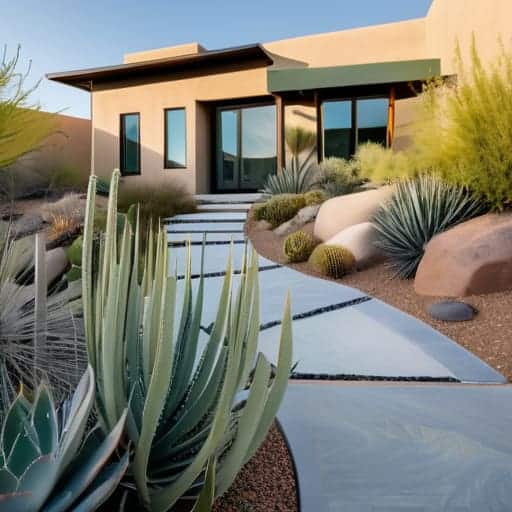
As I sit here in this sun-drenched corner of the café, sketching out a final layout on a slightly damp napkin, I’m struck by how much we can achieve when we stop trying to force nature into submission. We’ve explored how to master the art of xeriscaping, how to select native plants that actually belong in our soil, and how to layer textures to create depth without a massive water bill. By focusing on intentionality over excess, we turn our outdoor spaces from thirsty, high-maintenance lawns into sophisticated, resilient ecosystems. It’s about finding that perfect equilibrium between the structural lines of urban architecture and the soft, unpredictable beauty of a desert garden.
Ultimately, water-wise landscaping isn’t about sacrifice; it’s about a more profound kind of luxury. It’s the luxury of watching a landscape evolve alongside the seasons, knowing your design is working in harmony with the environment rather than against it. I want you to look at your patio, your balcony, or that patch of dry dirt in your yard and see more than just a challenge—see it as your next great canvas. Let’s stop fighting the heat and start celebrating it, creating living masterpieces that breathe, thrive, and tell a story of sustainable beauty.
Frequently Asked Questions
How can I layer textures and colors to make a low-water garden look lush and intentional rather than just a collection of rocks and dry shrubs?
Think of your garden like a well-curated living room. To avoid that “dry shrub” look, you need depth. I love layering soft, silvery succulents against rugged, weathered boulders to create instant contrast. Don’t shy away from color, either; use pops of desert bloom to draw the eye. Mixing fine-textured grasses with chunky stone pathways adds a tactile richness that makes a low-water space feel intentional, lush, and deeply soulful.
I love the idea of native plants, but how do I balance a wild, organic look with the clean, minimalist lines of my urban patio?
Think of it as a dance between structure and spontaneity. I love using clean, geometric planters or sleek concrete pavers to create a “frame” for the chaos. By containing the wildness of native grasses or sprawling succulents within those sharp, minimalist lines, you create a beautiful tension. It’s like my sketches—the rigid architecture of the city meeting the fluid soul of nature. Let the plants roam, but give them a sophisticated boundary to live within.
Are there specific sustainable materials or reclaimed elements I can use to create paths and borders that complement a desert-inspired aesthetic?
I’ve actually been sketching some ideas for this on a napkin all morning! To keep that desert-inspired vibe authentic, I love playing with reclaimed materials that tell a story. Think weathered cedar for garden borders or even crushed local limestone for paths. If you can find salvaged flagstone or even recycled glass cullet, it adds that perfect eclectic, shimmering texture. It’s all about choosing elements that feel like they’ve always belonged to the landscape.


MOST COMMENTED
Smart Living
10 Budget-Friendly Smart Home Upgrades Anyone Can Do
Home
Glass Walls: The Future of Modern Home Interiors
Lifestyle
7 DIY Ways to Instantly Reduce Stress!
Smart Living
Alexa vs. Google Home – Which Smart Speaker Wins?
Outdoor
How to Set Up an Outdoor Movie Night!
Lifestyle
How to Improve Focus & Mental Clarity Fast!
Home
Forget Minimalism! How to Nail Maximalist Style