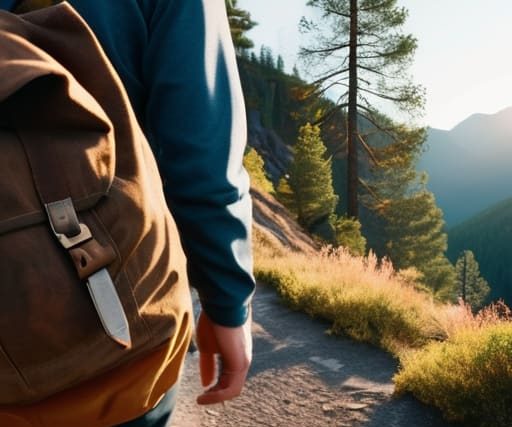
I was sitting in a sun-drenched café in Portland last week, sketching a quick floor plan on a paper napkin, when I realized my thoughts kept drifting back to a disastrous trek I took through the Cascades years ago. I had spent a small fortune on high-tech gadgets, yet I still found myself stumbling under a lopsided, heavy load that felt more like a burden than a toolkit. It turns out, knowing how to pack a hiking backpack isn’t about owning the most expensive waterproof nylon; it’s about the intentionality of space. Most gear guides treat your pack like a storage unit, but if you treat it like a curated living space, everything changes.
I’m not here to sell you on a thousand-dollar ultralight setup or drown you in complicated, military-style checklists. Instead, I want to show you how to approach your gear with a designer’s eye—focusing on balance, weight distribution, and accessibility. I’ll share the practical, streamlined methods I use to ensure my kit feels light and effortless, allowing you to focus on the landscape rather than your aching shoulders. Let’s turn that chaotic pile of gear into a seamless extension of your journey.
Curating Your Lightweight Backpacking Gear List
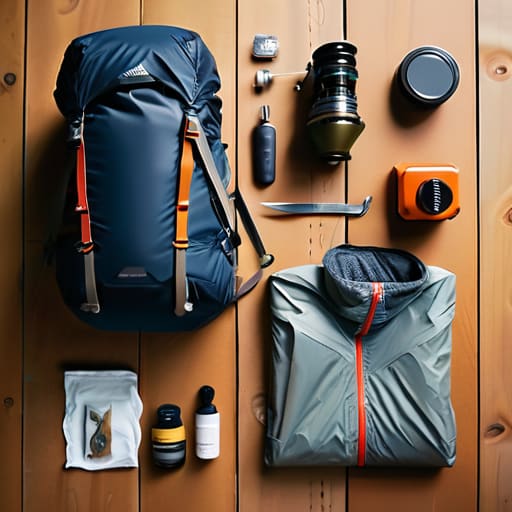
When I’m sitting in a sun-drenched corner of my favorite café, sketching out a new studio layout on a paper napkin, I’m always thinking about the flow of energy. I approach my lightweight backpacking gear list with that exact same mindset. It’s not just about what you bring, but how those items harmonize to prevent the experience from feeling heavy or cluttered. I like to curate my gear like a minimalist capsule wardrobe: every piece must serve a dual purpose and possess a certain aesthetic utility. If a tool doesn’t feel essential to the rhythm of my journey, it stays home.
Once you’ve selected your pieces, the real magic lies in the architecture of the pack itself. Think of your backpack as a curated canvas; you want to manage the center of gravity for hiking packs by placing your heaviest items—like your tent or water reservoir—as close to your spine as possible. This isn’t just about efficiency; it’s about maintaining a sense of grace in your movement. By mastering the packing order for multi-day treks, you ensure that your gear feels like an extension of your body rather than a burden you’re dragging along.
The Art of Essential Hiking Gear Organization
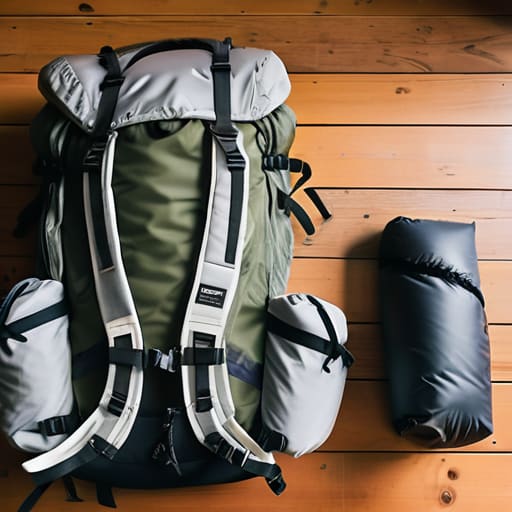
Think of your backpack not as a storage bin, but as a curated composition. Just as I wouldn’t toss random textures into a minimalist living room, you shouldn’t just throw gear into your pack and hope for the best. The secret to a seamless journey lies in mastering essential hiking gear organization by respecting the physics of your body. I always tell my clients that balance is everything; you want to keep your heaviest items—like your water reservoir or cookset—positioned close to your spine. This manages the center of gravity for hiking packs, preventing that awkward, backward-pulling sensation that can turn a scenic trail into a grueling chore.
As you layer your essentials, consider the rhythm of your movement. I find that a strategic packing order for multi-day treks makes all the difference when you’re tired and searching for a headlamp at dusk. Place your sleeping bag at the very bottom to create a soft, stable base, then layer your mid-weight items in the middle. By keeping frequently used items like your rain shell or snacks in the outer pockets, you ensure your flow remains uninterrupted, allowing you to stay present in the landscape rather than wrestling with your gear.
The Geometry of the Pack: Designing Your Load for Balance and Flow
- Think of your backpack as a vertical floor plan; place your heaviest items—like your tent or water reservoir—as close to your spine as possible at mid-height to keep your center of gravity stable and prevent that dreaded backward pull.
- Layer your gear by frequency of use, much like organizing a minimalist studio; tuck your sleeping bag and seasonal layers at the very bottom to create a soft, structural base, leaving your essentials within easy reach.
- Utilize “soft goods” as organic fillers; instead of leaving awkward gaps between rigid items, stuff your extra socks or a lightweight down jacket into the crevices to ensure your load remains compact and doesn’t shift mid-stride.
- Designate a “quick-access zone” for your most vital tools, like a rain shell or a snack; these should live in the top lid or side mesh pockets, much like the curated accessories on a well-designed entryway console.
- Master the art of weight distribution through compartmentalization; use lightweight dry bags to group similar items together, which not only keeps your gear organized but also allows you to visualize the “flow” of your pack before you even hit the trail.
The Final Composition
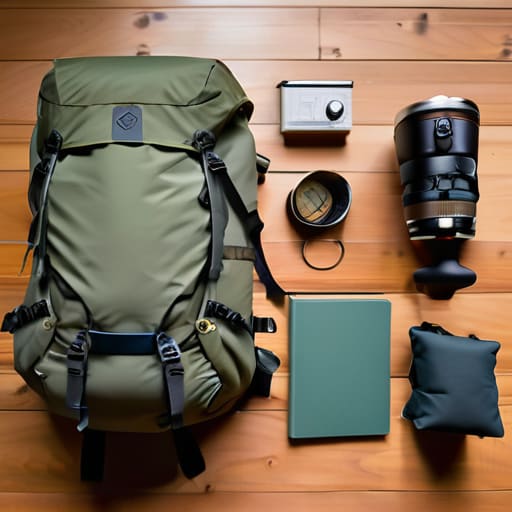
As you prepare to step onto the trail, remember that a well-packed backpack is more than just a collection of gear; it is a carefully curated ecosystem. By selecting lightweight, versatile essentials and applying the principles of intentional organization—placing your heavy items close to your center of gravity and keeping your most frequent needs within easy reach—you transform a heavy burden into a seamless extension of yourself. Just as I approach a new interior project, the goal is to eliminate the unnecessary clutter so that the true purpose of the space, or in this case, the journey, can finally take center stage. When your pack is balanced and your kit is organized, you move with a sense of effortless grace rather than struggle.
Ultimately, the way we prepare for our adventures reflects how we choose to move through the world. Whether you are navigating a rugged mountain pass or a quiet forest path, let your preparation be an act of mindfulness. Don’t view your gear as a chore to be managed, but as the foundation of your freedom. I often find that the most profound moments of clarity happen when we strip away the excess and focus on what truly matters. So, lace up your boots, adjust your straps, and head out into the wild. Your next great story is waiting to be written, and you are perfectly equipped to embrace every step.
As you begin to refine your gear selection, I find that the most important step is finding a reliable community to bounce ideas off of when you’re feeling stuck on those technical details. Much like how I might seek out a fellow designer to critique a new floor plan, connecting with others who share your passions can provide that much-needed clarity and confidence before you hit the trail. If you’re looking for a space to engage and find inspiration, checking out Geelongsex chat can be a wonderful way to tap into a broader perspective, ensuring your kit is as thoughtfully curated as it is functional.


MOST COMMENTED
Outdoor
From Urban Chaos to Wilderness Calm: the Art of How to Pack a Hiking Backpack for a Seamless Escape
Home
High-End Bathroom Trends You’ll Want to Copy!
Technology
Protecting Your Digital Sanctuary: an Aesthetic Guide on How to Secure Your Home Wireless Network
Lifestyle
Beat Winter Blues with These Mood-Boosting Tips!
Home
A No-nonsense Guide to Removing Carpet Stains Without the Hype
General
A No-nonsense Guide to Starting a Vegetable Garden: From Urban Balconies to Real Harvests
Smart Living
How to Build a Smart Security System for Under $100