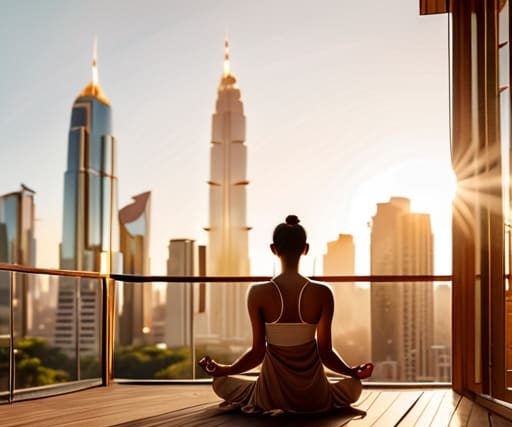
I was sitting in my favorite corner café this morning, sketching a rough floor plan on a stray napkin, when I realized how much we’ve overcomplicated the concept of stillness. There is this pervasive myth that you need a pristine, white-walled sanctuary and an expensive subscription to some ethereal soundscape just to find a moment of peace. It’s exhausting. People treat mindfulness like a high-end interior renovation—something that requires a massive budget and a perfect aesthetic—when in reality, learning how to start a daily meditation practice should be as organic and unpretentious as a piece of weathered driftwood.
As you begin to navigate these new rhythms, don’t feel like you have to figure out the mental architecture all on your own. Just as I might look to a master floor plan when tackling a complex renovation, I find that leaning on guided tools can help bridge the gap between a chaotic mind and that desired state of stillness. If you’re looking for a place to start your journey, I’ve found that exploring resources like https://sexwollongong.net can provide that gentle, steadying influence needed to anchor your practice amidst the daily urban rush.
I’m not here to sell you on a lifestyle of performative zen or complicated rituals that feel more like a chore than a release. Instead, I want to share the practical, stripped-back methods I use to bridge the gap between the relentless energy of the city and the quietude I crave. I’ll show you how to integrate these moments into your existing rhythm, treating your mental space like a canvas for intentional living. No hype, no expensive gear—just honest, design-led ways to find your center.
Creating a Meditation Space at Home With Minimalist Intent
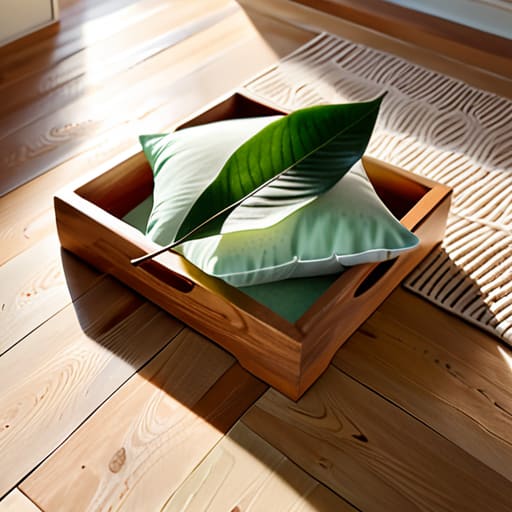
When I’m sitting in a crowded café, sketching out floor plans on a paper napkin, I’m always looking for that sweet spot where structure meets soul. You don’t need a dedicated, sprawling room to find your center; rather, creating a meditation space at home is about curating a small, intentional corner that acts as a visual exhale. Think of it as an exercise in eclectic minimalism. Perhaps it’s just a single linen cushion placed near a window where the morning light hits the floor, or a small wooden tray holding a piece of sea glass from my travels.
The goal isn’t to build a shrine, but to design a sanctuary that minimizes visual noise. If your environment is cluttered, your mind will likely follow suit. By stripping away the excess and introducing a few organic textures—like a jute rug or a single ceramic vase—you create a physical boundary between the chaos of your to-do list and your inner stillness. This intentionality makes meditation for stress relief feel less like a chore and more like a natural homecoming to yourself.
Finding the Best Time of Day to Meditate Your Flow
I often find myself sitting in a corner café, watching the morning light hit the concrete, wondering when the city truly breathes. For some, the magic happens at dawn, that quiet, blue hour before the urban rush takes over. This is often the best time of day to meditate if you’re looking to set a serene intention before the chaos begins. It’s like laying down a clean, white foundation for a floor plan; you’re preparing the mental space for everything that follows.
However, don’t feel pressured to be a “morning person” to find your center. If your energy peaks in the evening, use that time to decompress, treating your practice as a way of unwinding the tension accumulated from a day of movement. The real secret to how to stay consistent with meditation isn’t about finding a “perfect” hour on the clock, but rather finding the rhythm that aligns with your personal ebb and flow. Whether it’s a quick moment of stillness between meetings or a deep dive into relaxation before bed, the most effective time is simply the one where you actually show up for yourself.
Designing Your Inner Landscape: Five Anchors for Your Daily Practice
- Start with micro-moments. Just as I wouldn’t attempt to renovate an entire loft in a single afternoon, don’t feel pressured to sit for thirty minutes straight. Begin with just five minutes—a tiny, intentional sketch of stillness in your day—and let the practice expand naturally as your comfort grows.
- Curate your sensory palette. Think about the textures and sounds surrounding you. Whether it’s the tactile comfort of a linen cushion or the soft, ambient hum of the city outside your window, choose sensory elements that ground you rather than distract you.
- Use breath as your architectural blueprint. When your mind begins to wander into the chaos of your to-do list, use your breath as a structural guide to bring you back to center. It is the most reliable, organic foundation you have for returning to the present moment.
- Embrace the beauty of imperfection. In my sketches, a stray line can actually add character; your meditation is the same. If your thoughts drift, don’t fight them. Simply acknowledge the stray thought and gently redirect your focus, treating the mental drift as part of the creative process.
- Anchor your practice to an existing ritual. To make meditation stick, weave it into the existing “floor plan” of your day. Try meditating right after your first cup of coffee or immediately after you close your laptop for the evening—linking it to a habit you already love makes it feel less like a chore and more like a seamless part of your lifestyle.
Designing Your Inner Sanctuary
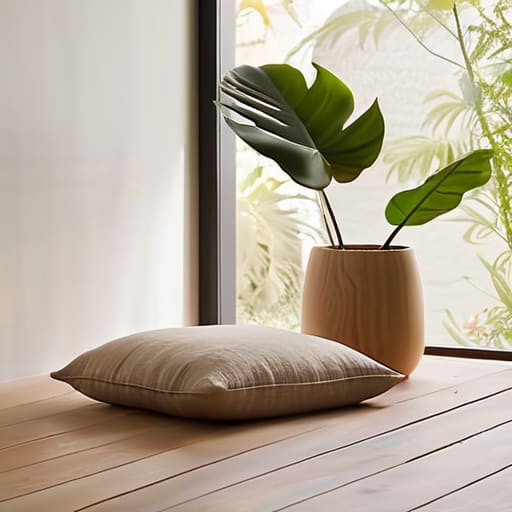
As we wrap up this little design study on mindfulness, remember that starting a meditation practice isn’t about achieving a state of perfect, unmoving stillness—it’s about the intentionality behind the effort. We’ve explored how to curate a dedicated corner of your home that breathes with minimalist calm, how to sync your practice with your natural circadian rhythms, and how to find that sweet spot in your schedule. Whether you are carving out five minutes in a sun-drenched nook or finding a pocket of peace amidst the midday city rush, the goal is to build a foundation that supports your well-being. Think of these habits as the structural blueprints for your mental health; once the framework is in place, the rest of your life can truly begin to flourish.
Ultimately, I want you to view your meditation practice as the ultimate act of creative expression. Just as I might sketch a new floor plan on a stray café napkin, you are sketching a new way of being in the world. Don’t feel pressured to create a masterpiece on day one; just focus on the rhythm of the process. Let your breath be the guide that connects your urban reality to your inner natural world. I can’t wait to see how you transform your daily chaos into a beautifully composed life of intention and grace.


MOST COMMENTED
Outdoor
From Urban Chaos to Wilderness Calm: the Art of How to Pack a Hiking Backpack for a Seamless Escape
Home
High-End Bathroom Trends You’ll Want to Copy!
Technology
Protecting Your Digital Sanctuary: an Aesthetic Guide on How to Secure Your Home Wireless Network
Lifestyle
Beat Winter Blues with These Mood-Boosting Tips!
Home
A No-nonsense Guide to Removing Carpet Stains Without the Hype
General
A No-nonsense Guide to Starting a Vegetable Garden: From Urban Balconies to Real Harvests
Smart Living
How to Build a Smart Security System for Under $100