
I remember sitting on my workshop floor three years ago, surrounded by a mountain of expensive, half-installed lithium batteries and a tangle of wiring that looked more like a bird’s nest than a power solution. I had spent a small fortune trying to build a “perfect” setup, only to realize I’d built a high-maintenance nightmare that required more work than the actual lifestyle I was trying to enjoy. That was my wake-up call: most people are being sold a fantasy of total self-sufficiency that is unnecessarily complex and frankly, way too expensive. If you aren’t looking to turn your home into a full-time engineering project, you need to stop chasing the heavy-duty hype and start looking into minimalist “off-grid lite” systems.
In this guide, I’m stripping away the marketing fluff and the “all-or-nothing” mentality that keeps so many people stuck on the grid. I’m going to show you exactly how to build a setup that actually works for you, focusing on the essential gear that provides real freedom without the soul-crushing complexity. This isn’t about theoretical perfection; it’s about practical, battle-tested advice for anyone who wants more autonomy and less headache.
Table of Contents
Small Scale Solar Setups for Modern Freedom
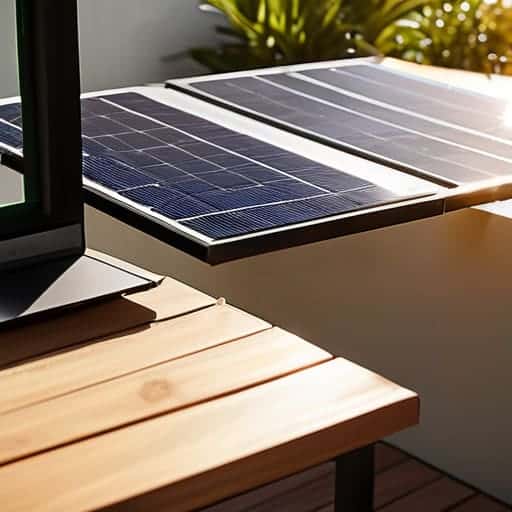
Most people think going off-grid requires a massive ranch and a field of silicon panels, but that’s a total misconception. For the rest of us, small scale solar setups are the real game-changers. We’re talking about compact, plug-and-play kits that don’t require a degree in electrical engineering to operate. You can tuck a few foldable panels on a balcony or near a sunny window, feeding energy directly into a battery that keeps your laptop, phone, and even a small fridge running without breaking a sweat.
This approach isn’t just about lifestyle aesthetics; it’s about modular energy independence. Instead of committing to a massive, expensive overhaul, you build your system piece by piece. You might start with a single unit for emergency preparedness for apartments, ensuring you aren’t left in the dark when the local grid inevitably decides to take a nap. It’s a low-stakes way to test the waters of self-sufficiency, allowing you to scale up your power capacity only when you actually feel the need for it.
Modular Energy Independence Without the Bulk
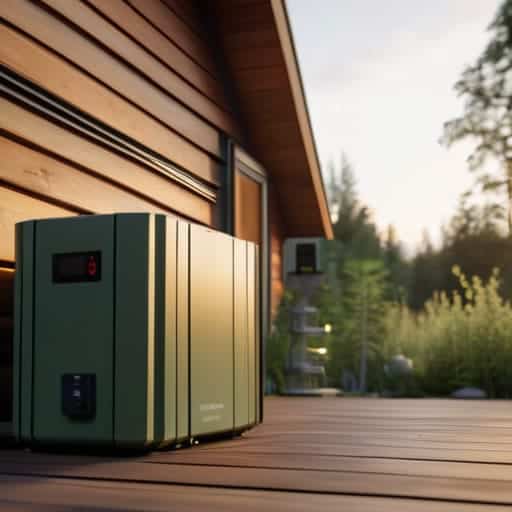
The beauty of this approach lies in its scalability. You don’t need to commit to a massive, permanent overhaul of your property to start feeling the benefits of autonomy. Instead, think of it as building a toolkit. By focusing on modular energy independence, you can start with a single portable power station and a folding solar panel, then add more capacity only as your needs—or your budget—grow. This “plug-and-play” philosophy removes the intimidation factor that usually keeps people from even trying.
This is especially vital for those living in more constrained environments. If you’re navigating a rental or a smaller footprint, you can still prioritize emergency preparedness for apartments by keeping a compact setup tucked away in a closet. It’s not about living in the woods; it’s about having a reliable safety net that doesn’t require a construction crew to install. When you treat your energy needs as a series of small, manageable upgrades rather than one giant, daunting project, you actually make sustainable living a part of your daily reality rather than a weekend-long headache.
Five Ways to Keep Your Setup Lean and Mean
- Prioritize your “must-haves” over your “nice-to-haves.” Before you buy a single panel, list the devices you actually can’t live without—like your phone, a laptop, and a single LED light—and build your system around that math, not your wish list.
- Go portable to stay flexible. Instead of bolting everything to a roof, look into foldable solar blankets or compact power stations. Being able to move your energy source with you makes the “lite” lifestyle feel much more like freedom and less like a chore.
- Watch your phantom loads like a hawk. In a minimalist system, every milliamp counts. Unplugging chargers when they aren’t in use and switching to high-efficiency DC appliances can be the difference between a full battery and a dead one by midnight.
- Don’t overcomplicate the wiring. The more cables and controllers you cram into a small space, the more points of failure you create. Keep your connections clean, simple, and easy to troubleshoot so you aren’t spending your weekend playing electrician.
- Scale up only when you have to. The biggest mistake is buying a massive battery bank “just in case.” Start small, master your current capacity, and only add more hardware once you’ve truly felt the limits of your current setup.
The Bottom Line
Don’t overcomplicate it—start with a small, scalable solar setup that covers your essentials rather than trying to power an entire mansion from day one.
Prioritize modularity so you can add batteries or panels as your needs grow, preventing the “all-or-nothing” trap of traditional off-grid living.
Focus on energy efficiency first; the less power your gadgets actually pull, the cheaper and simpler your “lite” system becomes.
## The Philosophy of Enough
“Off-grid living isn’t about building a fortress of batteries and heavy steel; it’s about stripping away the excess until you’re left with just enough power to fuel your life, without the gear weighing down your soul.”
Writer
The Path Forward
Of course, building this kind of setup isn’t just about the hardware; it’s about finding the right headspace to actually enjoy the simplicity you’re creating. When you strip away the constant noise of a high-consumption lifestyle, you start to realize how much mental bandwidth you actually reclaim. It’s often during these quieter, more intentional moments that you find yourself seeking out new ways to connect with the world around you, whether that’s through exploring local sex meets or simply rediscovering the thrill of unfiltered human connection without the digital clutter constantly pulling at your attention.
At the end of the day, going “off-grid lite” isn’t about building a massive, complicated fortress of technology that requires a degree in electrical engineering to maintain. It’s about the strategic marriage of smart solar scaling and modularity. We’ve looked at how small-scale setups can handle your daily essentials and how modular components allow you to grow only when you actually need to. By focusing on what truly matters—keeping the lights on, the phones charged, and the essentials running—you avoid the trap of over-engineering a system that ends up becoming a burden rather than a benefit. It is about intentional energy consumption that fits your actual life, not a theoretical one.
Transitioning toward independence doesn’t have to be an all-or-nothing leap into the wilderness. It can be a series of small, confident steps that gradually pull the plug on your reliance on the traditional grid. Whether you are prepping for emergencies or simply looking to reclaim a sense of autonomy, remember that simplicity is your greatest superpower. Don’t let the fear of complexity keep you stuck in the status quo. Start small, stay lean, and build a system that serves you, rather than one you have to serve. The freedom you’re looking for is much closer than you think.
Frequently Asked Questions
How much will this actually cost me upfront compared to a full-scale off-grid system?
Let’s get real: the upfront savings are massive. A full-scale off-grid system is a heavy-duty investment—we’re talking thousands upon thousands for massive battery banks and heavy-duty inverters just to keep the lights on. With an “off-grid lite” setup, you’re mostly just paying for a couple of decent panels and a portable power station. You can often get started for a fraction of the cost, making it a low-stakes way to test the waters.
Can a "lite" setup really handle my essential appliances, or am I going to be constantly managing battery levels?
Look, if you try to run a central AC and a toaster on a lite setup, you’re going to be staring at your battery monitor in a cold sweat. But if you stick to the “essentials”—think LED lights, a laptop, a fridge, and maybe a phone charger—it’s rock solid. The trick isn’t about having more power; it’s about being intentional with what you plug in. Manage your load, and the system manages you.
What happens when the weather turns bad—how much "buffer" do I really need to avoid running out of power?
The “buffer” is essentially your peace of mind. When the clouds roll in and your panels go dormant, you’re living off your battery bank. For a lite system, I aim for at least two full days of autonomy. If you can run your essentials—lights, fridge, and internet—for 48 hours without seeing a single ray of sun, you’ve built a safety net that keeps the panic at bay.

MOST COMMENTED
Smart Living
10 Budget-Friendly Smart Home Upgrades Anyone Can Do
Home
Glass Walls: The Future of Modern Home Interiors
Lifestyle
7 DIY Ways to Instantly Reduce Stress!
Smart Living
Alexa vs. Google Home – Which Smart Speaker Wins?
Outdoor
How to Set Up an Outdoor Movie Night!
Lifestyle
How to Improve Focus & Mental Clarity Fast!
Home
Forget Minimalism! How to Nail Maximalist Style