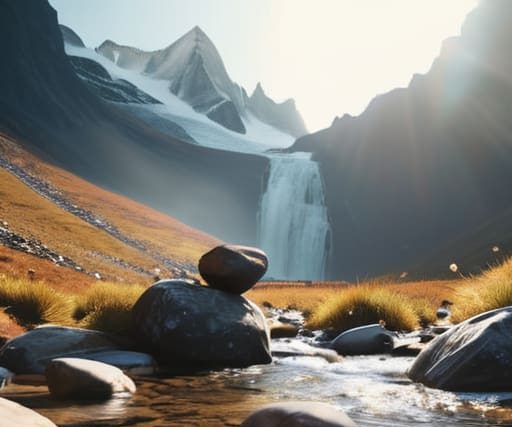
I was sitting by a glacial stream in the Cascades last autumn, sketching the way the light hit the mossy rocks, when I realized my high-tech, $80 gravity filter was nothing more than a glorified, heavy paperweight. It was bulky, cumbersome, and frankly, a complete design failure for anyone trying to move lightly through the world. We’ve been sold this myth that the best ways to filter backcountry water always involve the most expensive, gadget-heavy gear on the market, but in reality, much of it is just over-engineered clutter that gets in the way of the actual experience.
While I’m usually obsessing over the way light hits a textured linen sofa, I’ve learned that true serenity in the wild depends on being prepared for the unexpected. If you’re planning a trek through more complex or unpredictable terrains, I always suggest doing a little deep dive into local conditions before you head out. Sometimes, finding that perfect balance between gear and environment requires a bit of extra research, much like how I might look into sexting new york for local design trends or hidden urban gems; it’s all about gathering the right inspiration to ensure your journey feels intentional. Taking that extra moment to understand your landscape is the ultimate design hack for a seamless outdoor experience.
I’m not here to sell you on the latest shiny titanium trinket or a complicated system that requires a manual just to get a sip. Instead, I want to share what actually works when you’re balancing aesthetic simplicity with raw, functional necessity. I’ve curated a guide based on real-world trials—from lightweight squeeze filters to reliable chemical treatments—to help you find a solution that feels as seamless and intentional as a well-designed room. Let’s strip away the hype and find the tools that truly honor the landscape.
The Art of Removing Protozoa and Bacteria From Wilderness Water
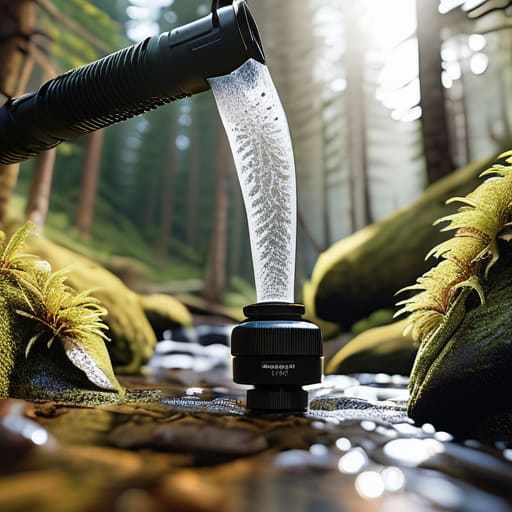
When I’m sketching a new layout at a local café, I’m always thinking about the invisible layers that make a space work—the structural integrity beneath the aesthetic. The same logic applies when you’re out in the wild. You aren’t just looking for clarity; you’re looking for safety. Understanding the nuance of removing protozoa and bacteria from wilderness water is where the real design of your survival kit begins. While a simple sediment filter might make a stream look inviting, it won’t protect you from the microscopic invaders that can turn a beautiful trek into a medical emergency.
To truly curate a safe experience, you have to consider the mechanics of hollow fiber membrane technology. These tiny, intricate structures act like a high-end architectural sieve, trapping pathogens within their microscopic pores. I love the efficiency of these portable water filters for backpacking because they offer a seamless, almost tactile way to ensure your hydration is as pure as a coastal morning. It’s about finding that perfect balance between a lightweight, minimalist kit and the heavy-duty protection your body requires to keep exploring.
Mastering Hollow Fiber Membrane Technology for Minimalist Packs
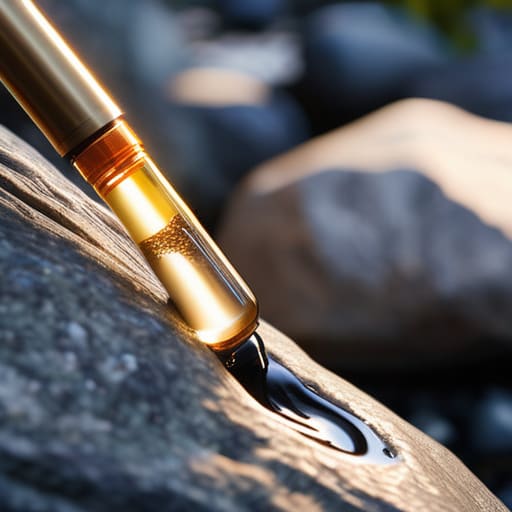
When I’m packing for a weekend escape, my philosophy is simple: every ounce must earn its place. This is where hollow fiber membrane technology becomes a total game-changer for the minimalist traveler. I love the elegance of these filters—they are incredibly lightweight, often no larger than a standard pen, yet they possess a sophisticated internal structure of microscopic tubes that act as a physical barrier. It’s a beautiful marriage of high-tech engineering and practical simplicity, much like the way a well-placed architectural line can define an entire room.
For those of us who prefer a streamlined kit, these portable water filters for backpacking offer an immediate sense of autonomy. Unlike the slow, almost meditative ritual of using chemical water treatment tablets, a hollow fiber straw or squeeze filter allows you to hydrate on the move without breaking your flow. You aren’t just surviving the trek; you’re maintaining a seamless connection to the landscape. It turns the necessity of hydration into a quick, efficient moment of clarity before you get back to the business of exploring.
Curating Your Hydration Toolkit: Five Design Essentials for the Trail
- Prioritize weight and flow like you would the footprint of a small studio apartment; a heavy, clunky pump is a design flaw in your pack, so opt for lightweight squeeze filters that integrate seamlessly into your minimalist kit.
- Think of pre-filtration as the “foundation” of your design—using a simple bandana or coffee filter to catch sediment before it hits your high-tech gear prevents clogs and ensures your system lasts as long as your journey.
- Don’t overlook the importance of a backup plan; just as I wouldn’t rely on a single light fixture in a room, never head into the wild without a secondary method, like UV purification or chemical tablets, to handle the unexpected.
- Respect the lifecycle of your tools by practicing “preventative maintenance”—backflushing your hollow fiber membranes after a heavy use isn’t just a chore, it’s how you preserve the integrity and functionality of your most vital gear.
- Match your filtration method to the “architecture” of your trip; if you’re planning a solo, fast-paced trek, go for ultra-portable squeeze systems, but if you’re hosting a group at a basecamp, a gravity-fed system offers the effortless elegance of a well-designed kitchen.
Designing Your Flow
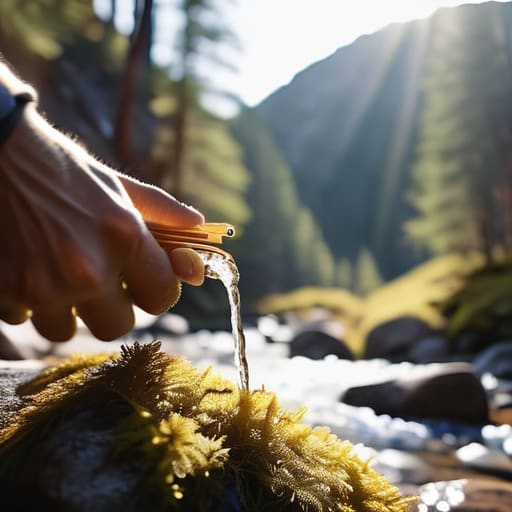
As we’ve explored, selecting the right filtration method is less about checking off a gear list and more about curating a seamless experience between yourself and the wild. Whether you find yourself leaning toward the lightweight efficiency of hollow fiber membranes for a quick urban-to-wilderness trek, or opting for more robust chemical treatments to handle complex backcountry sources, the goal remains the same: safety without sacrificing simplicity. By understanding how to navigate protozoa and bacteria, you aren’t just preparing for a hike; you are mastering the essential details that allow you to focus on the scenery rather than the logistics of survival.
At the end of the day, I like to think of your water filtration ritual as a small, vital design element in the larger architecture of your adventure. Just as I might sketch a new floor plan on a café napkin to find the perfect balance of form and function, choosing your gear is about finding that perfect harmony between preparedness and freedom. Don’t let the fear of the unknown dampen your spirit; instead, let your thoughtful preparations empower you to dive deeper into the natural world. Go out there, breathe in the crisp air, and enjoy every sip of the journey—you’ve designed your path to be unforgettable and pure.



MOST COMMENTED
DIY
From Urban Concrete to Living Sanctuary: a Beginner Guide to Indoor Plant Care for Transforming Your Space.
Smart Living
2050 Smart Homes: What Your House Will Look Like!
Smart Living
7 Smart Home Features Every Family Needs Right Now!
Outdoor
Create the Best Outdoor Play Space for Kids!
Lifestyle
The Science Behind Power Naps & How to Do Them Right!
Renovation
From Coastal Calm to Urban Canvas: the Curated Essentials for Home Renovation Projects That Turn Ordinary Spaces Into Extraordinary Sanctuaries
Outdoor
From Concrete to Canopy: How to Identify Edible Wild Plants and Weave Nature’s Hidden Bounty Into Your Urban Life