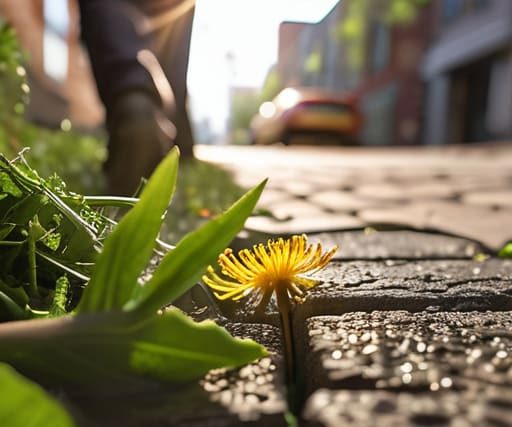
I was sitting in my favorite corner café this morning, sketching a rough floor plan for a client on a paper napkin, when I looked out the window and saw a patch of dandelion greens pushing through a crack in the sidewalk. It struck me how often we treat nature as something “other”—something that only exists in pristine, expensive organic markets or distant, untouched forests. Most people think you need a PhD in botany or a massive, dusty field guide to start foraging, but that’s just a barrier to entry that keeps us disconnected from the living world right outside our doors. Learning how to identify edible wild plants shouldn’t feel like a daunting academic chore; it should feel like reclaiming a lost connection to the rhythm of the city.
I’m not here to give you a clinical lecture or sell you on some overpriced foraging kit. Instead, I want to share the practical, hands-on approach I’ve gathered from years of wandering both rocky New England coasts and bustling urban parks. I promise to guide you through the sensory details—the textures, the subtle scents, and the visual cues—that actually matter when you’re out in the field. We’re going to strip away the intimidation and focus on turning your daily walk into a meaningful, sustainable discovery.
Mastering Plant Morphology for Identification
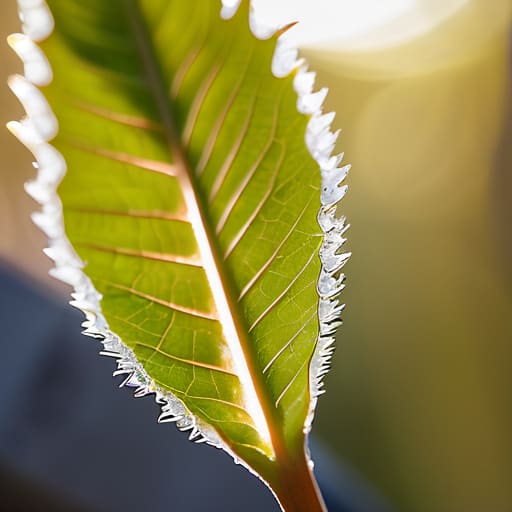
To truly get comfortable in the green spaces between skyscrapers, you have to look past the surface. I often find myself sitting on a park bench, sketching the intricate veins of a leaf just to understand its structure better. This is where plant morphology for identification becomes your most valuable tool; it’s the study of a plant’s physical form, from the way its stem twists to the specific arrangement of its leaves. Instead of just seeing “a green plant,” start noticing if the leaves are opposite each other on the stem or if they grow in an alternating pattern. These tiny architectural details are the blueprints that tell the real story.
Mastering these nuances is the most reliable way of distinguishing edible from poisonous plants without constantly glancing at a screen. While a wild plant identification guide is a fantastic companion for your first few outings, relying solely on a photo can be risky. You need to observe the texture, the scent, and the way the plant interacts with its environment. It’s much like interior design—once you understand the underlying structure and the “why” behind the form, the entire landscape begins to make sense.
Distinguishing Edible From Poisonous Plants With Care
Now, this is where we need to slow down and really lean into that mindful, observant mindset I always talk about. When you’re out in the field, it’s easy to get swept up in the excitement of a new find, but caution is your most important design tool. Distinguishing edible from poisonous plants isn’t just about checking a box; it’s about a deep, respectful connection with the greenery around you. I always tell my clients that you wouldn’t install a structural beam without being certain of its integrity, and the same logic applies here. Never, ever taste anything unless you have achieved absolute certainty through multiple layers of verification.
I’m a huge advocate for carrying a few reliable foraging field guides in your bag—think of them as your architectural blueprints for the natural world. Even with a solid wild plant identification guide, I recommend the “one-at-a-time” rule: introduce only one new plant to your diet at a time to see how your body reacts. It’s all about that balance of curiosity and respect for the environment. By prioritizing these foraging safety precautions, you turn a simple walk through the city park into a sophisticated, intentional experience rather than a risky gamble.
My Field Guide for Navigating the Greenery
- Always look for the “neighborhood” context; plants rarely grow in isolation, so take note of whether your find is hugging a shady oak tree or thriving in a sun-drenched crack in the sidewalk, as this tells you as much about its identity as its leaves do.
- Trust your senses, but never your hunger; use your eyes to study the intricate patterns of veins and the texture of the stem, but keep your taste buds on standby until you’ve cross-referenced your findings with a reliable guide.
- Get up close and personal with the details, because the difference between a delicious snack and a bitter mistake often lies in something as small as the way the leaves are arranged on the stem or the subtle shape of a single petal.
- Keep a “sketchbook mentality” even if you aren’t an artist; documenting the specific environment and the plant’s growth stage helps you recognize the same specimen in a different season or a different part of the city.
- When in doubt, leave it for the birds; I’ve learned that the most beautiful part of urban foraging is the respect we show to the ecosystem, and sometimes the best design choice is to let a plant stay exactly where it is.
Bringing the Wild Home
As we wrap up this deep dive, remember that successful foraging is a dance between patience and precision. We’ve explored the intricacies of plant morphology and the non-negotiable necessity of distinguishing the delicious from the dangerous. Never skip the step of triple-checking your identification; even the most seasoned urban explorer relies on a reliable field guide and a keen eye for detail. By mastering these foundational skills, you aren’t just gathering ingredients; you are learning to read the secret language of the greenery that thrives amidst our sidewalks and parks, turning a simple stroll into a meaningful connection with the earth.
Ultimately, I hope this journey encourages you to look at the concrete jungle through a different lens. To me, finding a patch of wild greens tucked between two skyscrapers feels much like discovering a hidden piece of sea glass on a rocky New England shore—it is a small, beautiful reminder that nature is always present, even when we are at our busiest. I want you to see every park and alleyway as a canvas for discovery. So, grab your notebook, keep your senses sharp, and go find the extraordinary in the everyday. The city is waiting to feed your curiosity, one leaf at a time.
As you start to navigate these green pockets of the city, I’ve found that having a reliable community to lean on makes all the difference when you’re feeling uncertain about a new find. It’s one thing to read a textbook, but it’s another entirely to connect with real people who are out there in the thick of it every day. If you ever find yourself needing a bit of real-world perspective or just want to dive into some unfiltered local discussions, checking out the Sexhalifax chat can be a surprisingly helpful way to stay plugged into the pulse of the community. It’s all about that authentic connection, whether you’re discussing urban design or the hidden gems tucked away in our neighborhood’s greenery.



MOST COMMENTED
DIY
From Urban Concrete to Living Sanctuary: a Beginner Guide to Indoor Plant Care for Transforming Your Space.
Smart Living
2050 Smart Homes: What Your House Will Look Like!
Smart Living
7 Smart Home Features Every Family Needs Right Now!
Outdoor
Create the Best Outdoor Play Space for Kids!
Lifestyle
The Science Behind Power Naps & How to Do Them Right!
Renovation
From Coastal Calm to Urban Canvas: the Curated Essentials for Home Renovation Projects That Turn Ordinary Spaces Into Extraordinary Sanctuaries
Outdoor
From Concrete to Canopy: How to Identify Edible Wild Plants and Weave Nature’s Hidden Bounty Into Your Urban Life