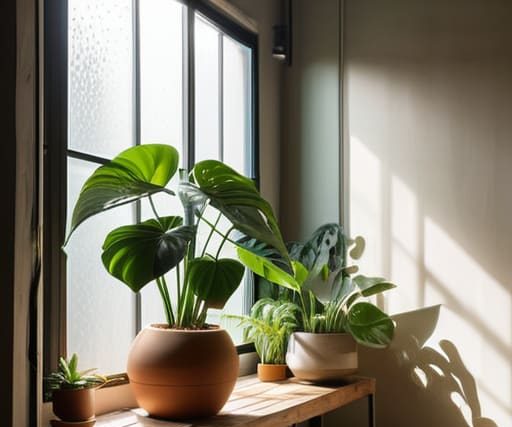
I still remember the first time I tried to bring a bit of the coast into my cramped studio apartment; I’d bought this massive, expensive Monstera thinking it would instantly solve my design woes, only to watch it slowly wither into a sad, brown skeleton within a month. Most “expert” advice online makes it feel like you need a degree in botany or a laboratory of specialized nutrients just to keep a fern alive, but honestly, that’s just noise. You don’t need a complicated, high-maintenance ritual to create a lush sanctuary; you just need to understand the basic rhythm of your space. I’ve spent years refining my own beginner guide to indoor plant care by observing how light dances across my floor plans and how different textures breathe life into a room.
Once you’ve mastered the basics of soil and light, you might find yourself craving a bit more connection and community to keep your creative momentum flowing. Just as I find inspiration in the unexpected rhythms of the city, I’ve learned that seeking out vibrant, real-world interactions can be just as rejuvenating for your spirit as a new botanical addition is for your living room. Whether you’re looking to spark a new conversation or simply want to explore the diverse, pulsing energy of local connections like a calgary sex chat, embracing that human element is what truly turns a house into a home filled with life.
Forget the overpriced gadgets and the overwhelming jargon that makes you feel like a failure every time a leaf turns yellow. I’m here to offer you a practical, design-led approach to greenery that focuses on what actually works in a real, busy home. We are going to strip away the hype and focus on the essential, sustainable habits that will turn your living space into a vibrant, living masterpiece.
Finding Light Selecting Low Light Indoor Plants for City Living
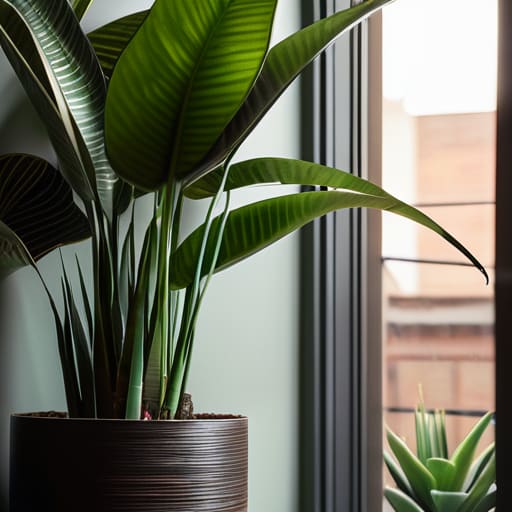
Living in a high-rise or a narrow brownstone often means playing a game of shadows, where the sun only visits for a fleeting hour. But don’t let a lack of direct sunlight dampen your design ambitions. I’ve found that selecting the right low light indoor plants is less about compromise and more about working with the natural rhythm of your space. Think of plants like the Snake Plant or the ZZ Plant as your resilient design partners; they thrive in those quiet, dim corners where other greenery might struggle to find its footing.
When you’re working with these more shade-tolerant species, the trick is to mimic their natural habitat without overdoing it. Because light is a limited resource, these plants often process water more slowly, meaning you’ll want to be mindful of your watering schedules for houseplants to avoid soggy roots. It’s all about that delicate balance—treating your greenery not just as decor, but as a living, breathing part of your urban sanctuary. A well-placed pothos in a low-light nook can turn a sterile corner into a lush, soulful retreat.
The Foundation of Life Understanding Indoor Plant Soil Requirements
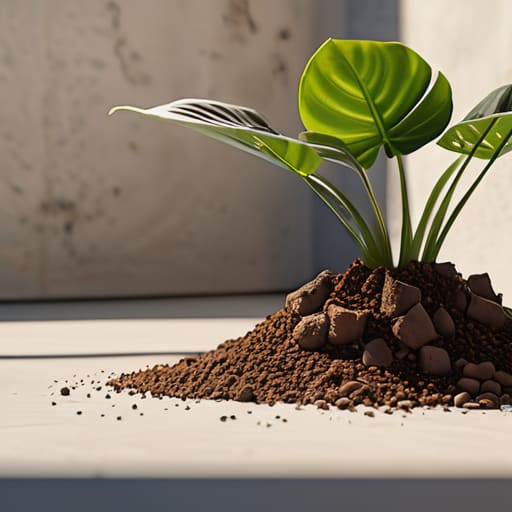
If light is the soul of your plant, then the soil is its heartbeat. I often find myself sketching out potential layout changes on a café napkin, wondering how a certain ceramic pot might sit against a concrete wall, but I always remind myself that the real magic happens beneath the surface. Most beginners make the mistake of grabbing a generic bag of dirt, but understanding indoor plant soil requirements is what separates a thriving urban jungle from a collection of struggling leaves. You aren’t just looking for “dirt”; you are looking for a medium that allows roots to breathe.
For my favorite tropicals, I lean toward a chunky, well-draining mix—think orchid bark and perlite mixed with organic compost. This mimics the forest floor, preventing that dreaded root rot that often follows overly ambitious watering schedules for houseplants. If you’re working with succulents or cacti, you’ll want something even sandier and leaner to ensure moisture doesn’t linger too long. Think of your soil as a custom-tailored foundation; it needs to provide just enough structure to support the plant while remaining porous enough to let life circulate freely.
The Rhythm of Care: Small Gestures for a Flourishing Urban Oasis
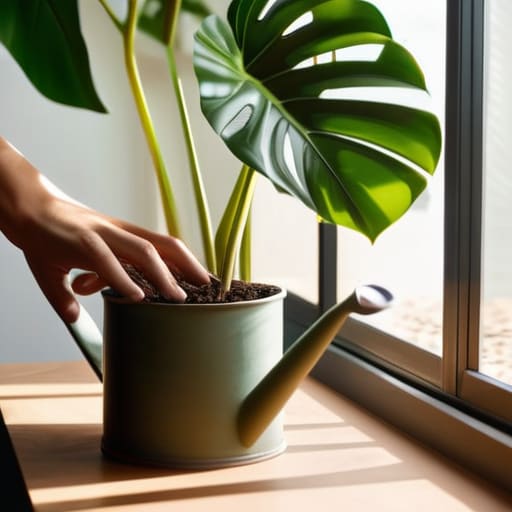
- Listen to the soil, not the calendar. Instead of sticking to a rigid weekly schedule, I always tuck my finger an inch into the dirt; if it feels dry, it’s thirsty, but if it’s still damp, let it be.
- Master the art of the gentle soak. When you do water, aim for a deep, thorough drink that reaches the roots rather than just a superficial sprinkle, much like how a coastal rain revitalizes the shoreline.
- Don’t forget to dust the leaves. In a city environment, dust can settle on your plants and block their ability to “breathe” and soak up light, so a quick, soft wipe with a damp cloth keeps them looking vibrant and polished.
- Mind the drainage, always. I can’t stress this enough—ensure your beautiful ceramic pots have a way for excess water to escape, or you risk turning your leafy sanctuary into a swampy, root-clogged mess.
- Embrace the slow learning curve. Some leaves might turn yellow or drop, and that’s okay; treat these moments as little design sketches in progress, helping you understand exactly what your specific space is asking for.
Cultivating Your Own Urban Sanctuary
As we wrap up this little journey, remember that nurturing your indoor garden is less about following rigid rules and more about learning the language of your plants. We’ve explored how to hunt for that perfect patch of light in a shadowed apartment and how to choose the right soil foundation to keep those roots happy and healthy. It might feel a bit daunting at first—especially when you’re balancing a busy city schedule—but once you master the basics of light and earth, you’ll find that maintaining your greenery becomes a rhythmic, soothing part of your daily routine rather than a chore.
At the end of the day, your home should be a reflection of your soul, a place where the sleek lines of modern design meet the soft, breathing textures of the natural world. Don’t be afraid to make a few mistakes; even a withered leaf is just a lesson in disguise. Treat every new sprout as a living piece of art that you are helping to compose. I hope these small steps help you turn your living space into a lush, vibrant sanctuary that breathes alongside you. Now, grab a coffee, find a sunny corner, and let your creativity—and your garden—grow.


MOST COMMENTED
DIY
From Urban Concrete to Living Sanctuary: a Beginner Guide to Indoor Plant Care for Transforming Your Space.
Smart Living
2050 Smart Homes: What Your House Will Look Like!
Smart Living
7 Smart Home Features Every Family Needs Right Now!
Outdoor
Create the Best Outdoor Play Space for Kids!
Lifestyle
The Science Behind Power Naps & How to Do Them Right!
Renovation
From Coastal Calm to Urban Canvas: the Curated Essentials for Home Renovation Projects That Turn Ordinary Spaces Into Extraordinary Sanctuaries
Outdoor
From Concrete to Canopy: How to Identify Edible Wild Plants and Weave Nature’s Hidden Bounty Into Your Urban Life