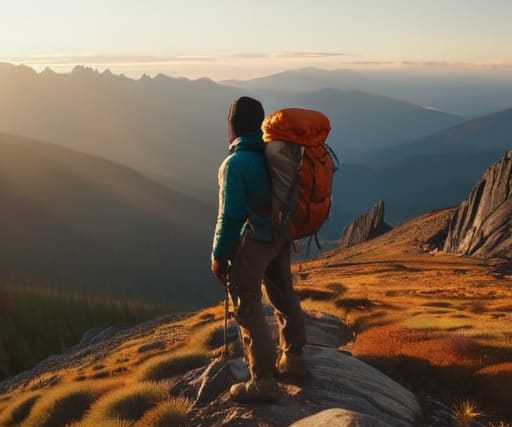
I remember sitting on a jagged granite outcrop back in New England, the scent of salt spray and damp pine needles thick in the air, watching a fellow trekker struggle with a mountain of high-tech, neon-colored gear that looked more like a space suit than actual clothing. It hit me then that we often get so caught up in the aesthetic of adventure that we lose sight of the actual purpose. You don’t need a thousand-dollar GPS-enabled gadget to enjoy the wild, but you do need a grounded, practical approach to your surroundings. Finding real tips for staying safe while hiking shouldn’t feel like you’re shopping for an expensive lifestyle brand; it should feel like preparing your own personal sanctuary for the trail.
Beyond the physical gear and the weather forecasts, I’ve found that the most profound way to respect the trail is by staying mentally present and connected to the community of fellow explorers. Sometimes, when the solitude of the wilderness feels a bit too heavy or you just need to decompress and share your experiences with others, finding a sense of meaningful connection can be just as vital as a sturdy pair of boots. If you’re looking for a way to engage in thoughtful conversation or simply want to find a space for more intimate, adult-oriented dialogue, exploring something like Maturesex chat can be a wonderful way to nurture your social well-being and keep your spirit as vibrant as the landscapes you’re exploring.
I’m not here to sell you on a curated list of “must-have” luxuries that clutter your pack and your mind. Instead, I want to share the essential, stripped-back wisdom I’ve gathered from years of wandering through both rugged coastlines and dense forests. My promise to you is a collection of honest, experience-based strategies designed to help you navigate the elements with confidence. We’re going to focus on the beautiful simplicity of being prepared, ensuring your journey remains an inspiring escape rather than a stressful ordeal.
Designing Your Kit an Essential Hiking Gear Checklist
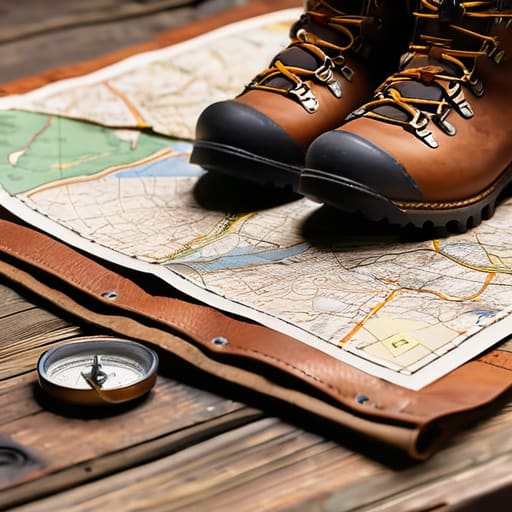
When I’m prepping for a trek, I approach my pack much like I approach a new interior project: every element must serve a dual purpose of form and function. I never head out without a curated essential hiking gear checklist tucked into my pocket. It’s not just about the heavy-duty boots or the moisture-wicking layers—though those are non-negotiable—it’s about the small, thoughtful details. I always make sure my kit includes a reliable topographical map and a compass, because navigating hiking trails safely requires more than just a smartphone battery and a prayer.
Beyond the basics, I think it’s vital to layer in a sense of preparedness for the unexpected. I always pack a compact kit focused on wilderness first aid basics, including moleskin for those inevitable blisters and a lightweight emergency blanket. Since I’ve learned that nature can shift its mood in a heartbeat, I prioritize lightweight, versatile pieces that help in preparing for mountain weather changes. Think of your gear as the foundation of your experience; when the structural elements of your kit are sound, you’re free to actually immerse yourself in the landscape.
Preparing for Mountain Weather Changes and Unpredictable Skies
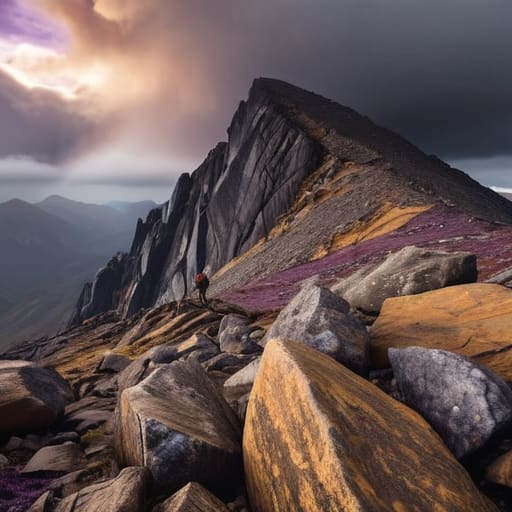
There is a certain poetic beauty in the way clouds roll over a peak, much like the shifting light in a well-designed studio, but in the mountains, that beauty can turn volatile in an instant. When I’m out on the trails, I treat the sky like a living blueprint—constantly reading its lines to anticipate what’s coming next. Preparing for mountain weather changes isn’t just about being cautious; it’s about being intuitive. I always keep an eye on the horizon, looking for those heavy, bruised-purple clouds that signal a sudden shift from a sun-drenched afternoon to a biting, damp chill.
To stay ahead of the elements, I treat my layering system as my most vital design element. I never head out without a lightweight, high-performance shell, even if the morning feels like a summer dream. Think of it as curating a versatile wardrobe for your body; you want pieces that respond to the environment without adding unnecessary bulk. Just as I wouldn’t design a room without considering the natural light, you shouldn’t approach a trek without a deep respect for the atmospheric unpredictability of the high altitudes.
Mapping Your Rhythm: Five Ways to Stay Present and Protected
- Trust your blueprint by sharing your itinerary. Just as I wouldn’t start a renovation without a clear plan, never head into the wild without letting a friend know exactly where you’re wandering and when you expect to be back.
- Master the art of the trail’s “floor plan” with a physical map. While GPS is a wonderful modern tool, technology can fail just as easily as a poorly placed light fixture; always carry a paper map and a compass to ensure you never lose your sense of direction.
- Listen to the landscape’s natural acoustics. Part of the joy of hiking is the symphony of the woods, but keep your headphones at a low volume—or better yet, leave them in your bag—so you can hear the subtle shifts in the environment, like approaching weather or wildlife.
- Curate your pace to match your energy. It’s tempting to rush toward the summit, but I’ve learned that the most beautiful design details are found when you move with intention. Pace yourself to avoid burnout, ensuring you have plenty of stamina for the journey back.
- Respect the boundaries of the terrain. Much like how a well-designed room directs the flow of movement, stay on the established paths to protect the delicate ecosystem around you and to avoid the unpredictable hazards that hide just off the beaten track.
Finding Your Rhythm on the Trail
As we wrap up our little blueprint for a successful trek, remember that safety isn’t about being rigid or fearful; it’s about intentional preparation. By curating a gear kit that serves your specific needs, respecting the unpredictable moods of the sky, and always keeping a mindful eye on your surroundings, you aren’t just avoiding mishaps—you are designing a seamless experience. Think of these precautions as the structural foundation of your journey. Just as a well-planned room provides the comfort necessary to truly live in it, a solid safety strategy provides the peace of mind required to fully immerse yourself in the wild beauty around you.
Ultimately, I hope you see every hike not just as a physical challenge, but as a way to reconnect with that raw, organic energy that makes us feel so alive. Whether you are navigating a rugged mountain pass or a gentle forest path, let your preparation be the quiet backdrop that allows your sense of wonder to take center stage. Treat the wilderness with the same reverence and creativity you would bring to a blank canvas, and you will find that the most extraordinary discoveries often happen when you feel most secure in your own skin. Now, grab your pack, leave the noise of the city behind, and go find your inspiration.


MOST COMMENTED
DIY
From Urban Concrete to Living Sanctuary: a Beginner Guide to Indoor Plant Care for Transforming Your Space.
Smart Living
2050 Smart Homes: What Your House Will Look Like!
Smart Living
7 Smart Home Features Every Family Needs Right Now!
Outdoor
Create the Best Outdoor Play Space for Kids!
Lifestyle
The Science Behind Power Naps & How to Do Them Right!
Renovation
From Coastal Calm to Urban Canvas: the Curated Essentials for Home Renovation Projects That Turn Ordinary Spaces Into Extraordinary Sanctuaries
Outdoor
From Concrete to Canopy: How to Identify Edible Wild Plants and Weave Nature’s Hidden Bounty Into Your Urban Life