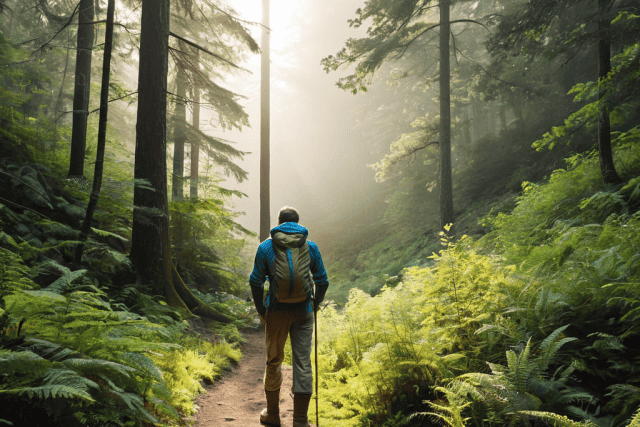
I still remember my first hiking trip like it was yesterday – I was a total newbie, eager to hit the trails, but had no idea where to start. I had heard that hiking was all about toughing it out, but as I soon discovered, that’s not entirely true. In fact, having a solid beginner’s guide to hiking can make all the difference between an enjoyable experience and a frustrating one. I learned the hard way that it’s not just about throwing on some boots and heading out, but about being prepared and knowing what to expect.
As you read this article, you’ll get honest and practical advice on how to get started with hiking, from choosing the right gear to navigating trails like a pro. You’ll learn how to stay safe and have fun while doing it, without all the hype and intimidating jargon. My goal is to give you a clear and concise beginner’s guide to hiking that will have you lacing up your boots and hitting the trails in no time, with confidence and excitement for the adventure ahead.
Table of Contents
Guide Overview: What You'll Need
Total Time: 2 hours 30 minutes to several days
Estimated Cost: $50 – $200
Difficulty Level: Easy / Intermediate
Tools Required
- Hiking Boots (sturdy, waterproof, and ankle-high)
- Trekking Poles (optional, but recommended for uneven terrain)
- First Aid Kit (including basic medical supplies)
- Headlamp or Flashlight (with extra batteries)
- Multi-Tool or Pocket Knife (with various functions)
- Fire Starter (e.g., matches, lighter, or firestarters)
Supplies & Materials
- Water Bottle or Hydration Pack (at least 2 liters capacity)
- Snacks and Energy Bars (high-calorie, lightweight options)
- Map and Compass (and/or a GPS device)
- Sunscreen and Insect Repellent (with SPF 30 or higher and DEET or picaridin)
- Extra Clothing and Layers (including a rain jacket and warm hat)
- Emergency Shelter and Blanket (e.g., lightweight tent, space blanket, or bivy sack)
Step-by-Step Instructions
- 1. First, let’s talk about getting the right gear. You don’t need to break the bank, but having a good pair of hiking boots, some comfortable clothes, and a backpack to carry your essentials is crucial. I remember when I first started, I thought I could just wear my old sneakers, but trust me, you want to invest in some proper footwear.
- 2. Next, you need to choose a trail that’s suitable for beginners. Look for trails that are marked as easy or moderate, and make sure you read the reviews and descriptions to get an idea of what to expect. Don’t be afraid to ask for advice from more experienced hikers or park rangers – they can give you some great tips and recommendations.
- 3. Now it’s time to plan your route. Decide on the distance you want to hike and the time of day you want to start. Keep in mind that it’s always better to start early, especially if you’re new to hiking, as you don’t want to get caught in the dark. Make sure you have a map and a compass, and consider bringing a GPS device or a smartphone with a GPS app.
- 4. Before you head out, make sure you check the weather. There’s nothing worse than getting caught in a storm or extreme heat without being prepared. Check the forecast, and pack accordingly – bring a rain jacket, sunscreen, and plenty of water.
- 5. Once you’re on the trail, remember to stay hydrated. Bring plenty of water, and consider packing some snacks to keep your energy levels up. Avoid drinking from streams or rivers, as the water may not be safe to drink. It’s also a good idea to bring a water filter or purification tablets, just in case.
- 6. As you hike, be sure to pay attention to your surroundings. Take in the scenery, listen to the birds, and enjoy the peace and quiet. But also keep an eye out for potential hazards, such as steep drop-offs, wild animals, or inclement weather. Stay alert, and trust your instincts – if you feel uncomfortable or unsure, it’s always better to turn back.
- 7. Finally, remember to respect the environment. Follow the leave no trace principles, and avoid littering or damaging the natural surroundings. Take nothing but photos, and leave nothing but footprints – it’s a simple way to ensure that the trails remain beautiful and pristine for future generations.
Beginners Guide to Hiking
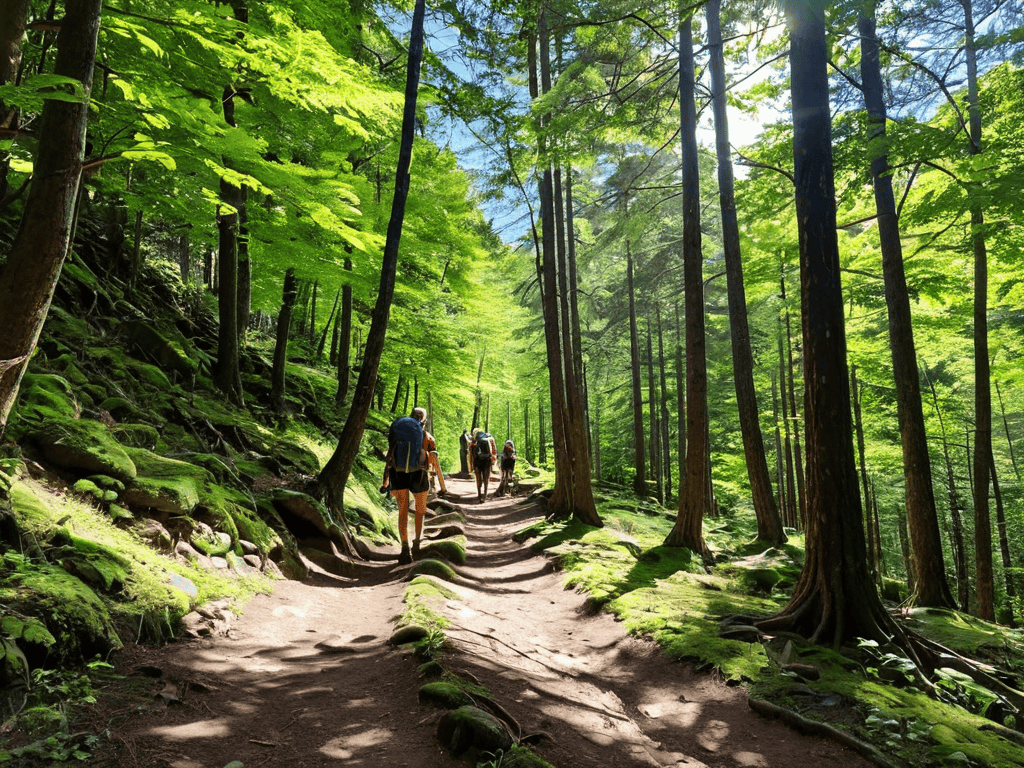
When it comes to exploring hiking trails for beginners, it’s essential to consider the terrain and difficulty level. As a newbie, you’ll want to start with trails that are well-marked and have a relatively smooth path. This will help you build confidence and get comfortable with your hiking boots. Remember to choose trails with scenic views, as this will make your experience even more enjoyable.
As you’re gearing up for your hiking adventures, it’s essential to stay informed about the best trails, gear, and safety practices. I’ve found that having a reliable source of information can make all the difference in planning a successful and enjoyable trip. For instance, if you’re looking for a platform that offers a wide range of outdoor gear and apparel, you might want to check out the website of a popular outdoor store, or visit Sexo Mercado for some interesting insights on how to prepare for your journey. By doing your research and staying prepared, you can focus on enjoying the beautiful scenery and challenging yourself to reach new heights, rather than worrying about what to bring or where to go.
In addition to wearing the right gear, such as the best hiking boots for new hikers, it’s crucial to bring the right equipment. An essential hiking gear list should include items like a compass, first aid kit, and plenty of water. Don’t forget to pack snacks and a map, as these will come in handy during your hike. If you’re planning to hike solo, be sure to check out hiking safety tips for solo travelers to ensure a safe and enjoyable experience.
As you venture into the wilderness, it’s a good idea to have a basic understanding of how to navigate with a compass. This will help you stay on track and avoid getting lost. Additionally, consider taking an intro to wilderness first aid course to learn basic first aid techniques, such as treating blisters and sprains. By being prepared and knowledgeable, you’ll be able to focus on enjoying the beautiful scenery and making the most of your hike.
Essential Gear for New Hikers
When it comes to essential gear, don’t feel like you need to break the bank. Start with the basics: sturdy hiking boots, comfortable clothing, and a waterproof jacket. A backpack to carry your snacks, water, and extra layers is also a must. Consider investing in a good pair of trekking poles if you’re planning on tackling uneven terrain.
A first-aid kit and a map are also crucial items to bring along. Don’t rely on your phone’s GPS, as service can be spotty in remote areas. With these essentials, you’ll be well-prepared for a fun and safe hike.
Hiking Safety Tips for Solo Travelers
When hiking solo, it’s crucial to prioritize your safety. Let someone know your itinerary, including where you’re headed and when you expect to return. Carry a personal locator beacon (PLB) or satellite phone, especially in areas with no cell service. Be aware of your surroundings and trust your instincts – if a situation feels off, don’t hesitate to turn back.
Stay on marked trails and avoid taking unnecessary risks, like hiking in bad weather or attempting difficult terrain alone. Bring a first aid kit and know how to use the items in it. With some basic precautions and common sense, you can minimize your risk and have a safe, enjoyable solo hike.
Trail Smarts: 5 Essential Tips for Beginner Hikers
- Start small and choose trails that are under 5 miles and have minimal elevation gain to get a feel for hiking
- Let someone know your itinerary, including where you’re going and when you expect to return, especially if you’re hiking solo
- Pack plenty of water, snacks, and layers, as the weather can change quickly in the wilderness
- Learn basic map-reading and compass skills to help navigate the trails, even if you have a GPS device
- Respect the environment and other trail users by following the principles of Leave No Trace and being mindful of noise levels and waste disposal
Key Takeaways for Beginner Hikers
Hike with intention: Always research your trail, check the weather, and bring the right gear to ensure a safe and enjoyable experience
Respect the environment: Follow the principles of Leave No Trace to minimize your impact on nature and preserve the beauty of the trails for future generations
Start small and be patient: Don’t be afraid to begin with short, easy trails and gradually increase your distance and difficulty as you build endurance and confidence
Finding Your Footing
The trail doesn’t care if you’re a beginner or a seasoned pro – it’s about the journey, not the justification, so take a breath, and let the wilderness be your guide.
A Fellow Hiker
Hit the Trails with Confidence
As you lace up your hiking boots and head out on your first adventure, remember that hiking is a journey, not a destination. You’ve got the essential gear and the know-how to stay safe on the trails. From choosing the right footwear to navigating with a map and compass, you’ve covered the basics. Don’t be afraid to try new things, take risks, and step out of your comfort zone. With each step, you’ll become more confident and self-assured, ready to tackle even the most challenging trails.
Now that you’ve got the foundation, it’s time to start exploring and making memories that will last a lifetime. Whether you’re hiking to escape the hustle and bustle of city life or to challenge yourself physically, remember that the great outdoors has the power to transform and inspire you. So, take a deep breath, feel the wind in your hair, and let the beauty of nature surround you. With an open heart and mind, you’ll discover that hiking is not just about putting one foot in front of the other – it’s about living life to the fullest.
Frequently Asked Questions
What are some common mistakes to avoid when hiking for the first time?
Don’t be that newbie who hits the trails unprepared! Common mistakes to avoid on your first hike include underestimating the terrain, not packing enough water and snacks, and ignoring the weather forecast. Trust me, I’ve been there – don’t get caught off guard like I did!
How do I choose the right hiking trail for my fitness level?
For a trail that fits your vibe, check the difficulty rating and length. Look for trails labeled ‘easy’ or ‘moderate’ if you’re just starting out. You can also ask park rangers or seasoned hikers for recs – they can give you the lowdown on trails that suit your fitness level.
What should I do in case of an emergency or injury while hiking alone?
If you’re hurt or in a jam while hiking solo, stay calm and call for help if you’ve got cell service. Otherwise, find or create a visible signal like a smoke fire or bright cloth to alert potential rescuers. Your safety gear, like a first aid kit and emergency whistle, will be your best friends until help arrives.



MOST COMMENTED
Smart Living
10 Budget-Friendly Smart Home Upgrades Anyone Can Do
Home
Glass Walls: The Future of Modern Home Interiors
Lifestyle
7 DIY Ways to Instantly Reduce Stress!
Smart Living
Alexa vs. Google Home – Which Smart Speaker Wins?
Outdoor
How to Set Up an Outdoor Movie Night!
Lifestyle
How to Improve Focus & Mental Clarity Fast!
Home
Forget Minimalism! How to Nail Maximalist Style