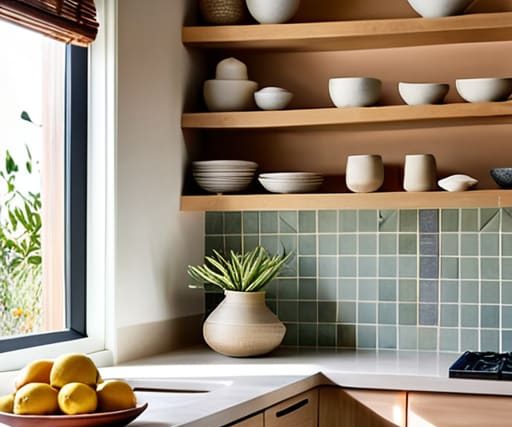
I was sitting in my favorite corner café this morning, sketching a rough floor plan on a crumpled napkin, when I realized how much the “eco-friendly” design world has become a bit of a circus. There is this exhausting myth that choosing sustainable materials for a kitchen remodel requires you to sacrifice every ounce of style for a beige, overly-processed aesthetic, or worse, that it has to cost a small fortune to be “green.” Honestly, it’s frustrating. You shouldn’t have to choose between a kitchen that looks like a high-end urban loft and one that respects the planet; that’s a false choice that ignores the vibrant potential of modern innovation.
I’m not here to sell you on expensive, trendy buzzwords that won’t last a decade. Instead, I want to share the practical, tactile truths I’ve gathered from years of blending coastal soul with city grit. I’m going to walk you through how to select pieces that feel as organic as sea glass but perform with the durability of urban steel. Consider this your no-nonsense guide to building a conscious kitchen that is as breathtakingly beautiful as it is kind to the earth.
Eco Friendly Countertop Options Natures Touch on Urban Edges
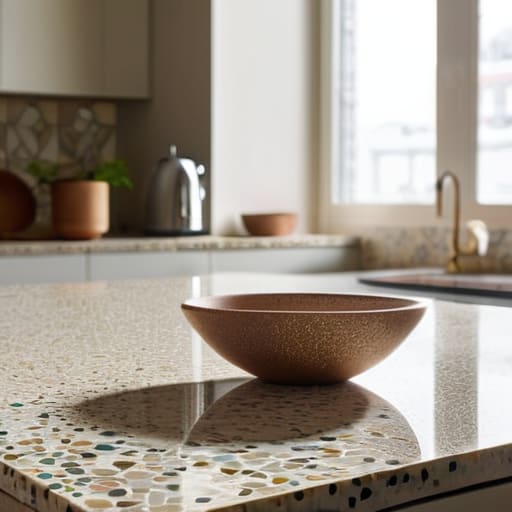
When I’m sitting in a corner café, sketching out new layouts on a paper napkin, I often find myself obsessing over the tactile quality of a countertop. It’s the anchor of the kitchen, the place where your morning espresso meets the start of your day. Instead of reaching for high-impact, synthetic slabs, I love exploring eco-friendly countertop options that tell a story. Think about reclaimed wood that carries the character of a weathered pier, or perhaps a stunning terrazzo made from crushed glass and recycled stone. These materials bring that organic, coastal soul I grew up with right into the heart of a sleek, metropolitan apartment.
If you’re leaning more toward a polished, urban aesthetic, recycled paper composite or even certain quartz varieties can be game-changers. They offer that clean, minimalist edge without the heavy environmental footprint. As you curate your space, remember that ethical sourcing for home renovation isn’t just a trend; it’s about choosing pieces that feel as good to the touch as they do to the conscience. It’s about finding that perfect, delicate balance between a high-functioning workspace and a sanctuary that honors the planet.
The Soul of the Space Recycled Kitchen Cabinetry Materials
If the countertops are the stage, then your cabinetry is the heartbeat of the entire room. I often find myself sketching out layout ideas on a coffee shop napkin, wondering how to balance that sleek, metropolitan look with a sense of history. This is where recycled kitchen cabinetry materials truly shine. Instead of opting for brand-new, mass-produced wood that feels disconnected from its origins, I love incorporating reclaimed timber or bamboo. There is something deeply soulful about a cabinet door that carries the subtle character of a previous life; it bridges that gap between my coastal roots and the structured lines of city living.
However, sustainability isn’t just about the visible wood; it’s about the invisible details that impact your well-being. When I’m specifying products, I’m always looking for low VOC kitchen finishes to ensure the air in your home remains as fresh as a morning breeze off the Atlantic. It’s easy to get caught up in the aesthetics, but true luxury lies in the peace of mind that comes from ethical sourcing for home renovation. By choosing materials that respect both the maker and the planet, you aren’t just building a kitchen—you’re curating a legacy.
Small Shifts, Big Impact: My Five Golden Rules for a Conscious Kitchen
- Prioritize longevity over trends. When I’m sketching out a layout, I always remind myself that the most sustainable choice is the one you won’t want to rip out in five years. Invest in high-quality, timeless materials that age gracefully—think of them as the sturdy driftwood of your home that only gets more beautiful with time.
- Look for the “hidden” stories in your materials. Instead of just picking a pretty finish, ask where it came from. I love sourcing products with a clear lifecycle, like cork or bamboo, which offer that soft, organic texture I crave while being incredibly kind to our planet’s resources.
- Embrace the beauty of reclaimed elements. There is something so poetic about giving a second life to old timber or salvaged stone. It brings a sense of history and “soul” to a modern urban kitchen that brand-new, mass-produced items simply can’t replicate.
- Don’t overlook the power of low-VOC finishes. We spend so much time in our kitchens, so why breathe in harsh chemicals? Choosing non-toxic paints and adhesives ensures your sanctuary remains a healthy space, blending that clean, minimalist aesthetic with actual wellness.
- Think about the “end of life” for every piece you choose. As I doodle floor plans on my favorite café napkins, I find myself wondering: what happens to this material when its journey is over? Aim for materials that are either biodegradable or easily recyclable, closing the loop on your design.
Designing Your Conscious Kitchen Canvas
As we’ve explored, building a sustainable kitchen isn’t about making sacrifices; it’s about making intentional choices that honor both the planet and your personal style. From selecting countertops that feel like a piece of the earth to choosing cabinetry that breathes new life into recycled materials, every decision adds a layer of depth to your home. By prioritizing materials that are as durable as they are beautiful, you aren’t just remodeling a room—you are curating a space that reflects a deep respect for our natural world while maintaining that sharp, urban edge we all crave.
At the end of the day, your kitchen is more than just a place to prep meals; it is the beating heart of your home and a reflection of your values. I often find myself staring at my sketches, wondering how a single texture can change the entire energy of a room. I want you to approach your remodel with that same sense of wonder. Don’t be afraid to mix the organic with the modern, or the weathered with the sleek. Remember, your home is your ultimate canvas, and by choosing sustainability, you are painting a legacy that will endure long after the initial excitement of the renovation fades.
As you begin to layer these textures and tones, don’t forget that the most successful designs are often those that spark a sense of connection—not just to the materials, but to the people who inhabit the space. I find that my best ideas often come when I step away from my sketches and immerse myself in new environments; for instance, if you ever find yourself traveling and looking for ways of meeting people in Australia, you’ll notice how the local architecture there beautifully mirrors that same effortless blend of organic warmth and social vitality that I strive for in every kitchen I design. It’s all about finding that sweet spot where your surroundings encourage you to truly engage with the world around you.



MOST COMMENTED
Home
Nature Indoors: The Rise of Biophilic Interiors
Outdoor
8 Flowering Shrubs That Will Transform Your Yard!
Smart Living
The Best Smart Gadgets to Upgrade Your Home Gym
Renovation
Build a Cozy Backyard Fire Pit in One Weekend!
Outdoor
The Beginner’s Guide to Composting!
Lifestyle
From Coastal Calm to Urban Elegance: the Art of How to Host a Dinner Without Stress
Home
Beyond the Clutter: How to Store Things You Use Twice a Year to Reclaim Your Space for Creativity