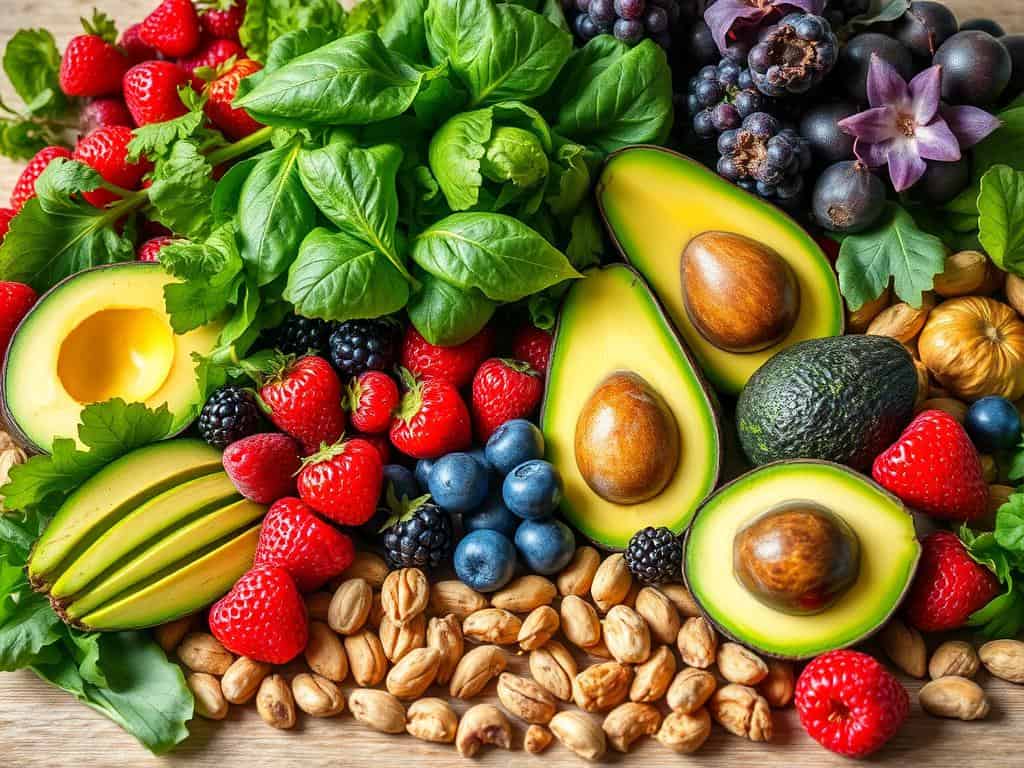
Did you know “superfood” has no official definition? It’s often just a marketing term. This has made it a big deal in the health and nutrition world, creating a huge industry. Superfoods like kale, avocado, and blueberries are said to be super healthy.
But, what really makes a food super? In this article, we’ll look into the superfood trend’s origins and marketing. We’ll also check out the real health benefits and if they’re really needed for good nutrition. We’ll see what nutrients these foods offer and how they fit into a healthy diet.
Let’s get past the marketing to find out the real deal about superfoods. This could change how you eat and help with weight loss.
Key Takeaways
- The term “superfood” is mainly a marketing term with no official definition.
- Variety in diet is key; eating a range of colored foods ensures you get many nutrients.
- The Mayo Clinic advises focusing on a balanced diet over just superfoods.
- Common superfoods include dark leafy greens, berries, and legumes.
- Many superfoods are beneficial, but they’re not always better than other nutrient-rich foods.
What Are Superfoods and How Did They Get Their Name?
The term “superfood” has a rich history that blends food science and marketing. It first showed up in 1918, with bananas being the first to be called a superfood. They were praised for their potassium, vitamin B6, vitamin C, and manganese.
This early recognition started the trend we see today. It showed how certain foods could be seen as super.
Origin and Marketing of the Superfood Trend
The term “superfood” became popular thanks to smart marketing in the 20th century. Food brands saw the value in promoting health-focused products. The United Fruit Company was a great example, marketing bananas as a health solution.
This marketing showed how powerful it can be in changing what we think about food. Today, many foods are labeled as superfoods, thanks to growing awareness of their health benefits. By 2015, the superfood market had grown to a $36 billion industry in the U.S.
The Role of Nutrients in Superfoods
Superfoods are known for being packed with nutrients like vitamins, minerals, antioxidants, and fiber. Foods like blueberries and non-starchy veggies like broccoli and Brussels sprouts are great examples. They offer many health benefits.
Even so, it’s important to remember that not all superfood claims are backed by science. A balanced diet with a variety of nutrient-rich foods is usually better than focusing on just a few superfoods.
Superfoods Explained
Superfoods are special foods that are packed with nutrients. They have few calories but offer big health benefits. This makes them stand out in the world of nutrition.
Commonly Recognized Superfoods
Avocados, dark leafy greens, berries, and chia seeds are well-known superfoods. They help keep your heart healthy and boost your immune system. For example, dark leafy greens are full of folate, magnesium, and vitamin C.
These nutrients can lower the risk of diseases like type 2 diabetes. Berries are also great because they’re full of antioxidants, vitamins, and fiber. They help with digestion and might even lower heart disease risk.
The Health Claims Behind Superfoods
Superfoods are often said to prevent chronic diseases because of their antioxidants and beneficial compounds. Green tea, for instance, is known for its EGCG, which may help lower heart disease risks. But, the science backing these claims is not always strong.
The European Food Safety Authority found that antioxidants might not offer the expected benefits. Eating a balanced diet with lots of fruits and vegetables can also provide health benefits. It’s not just about relying on superfoods.
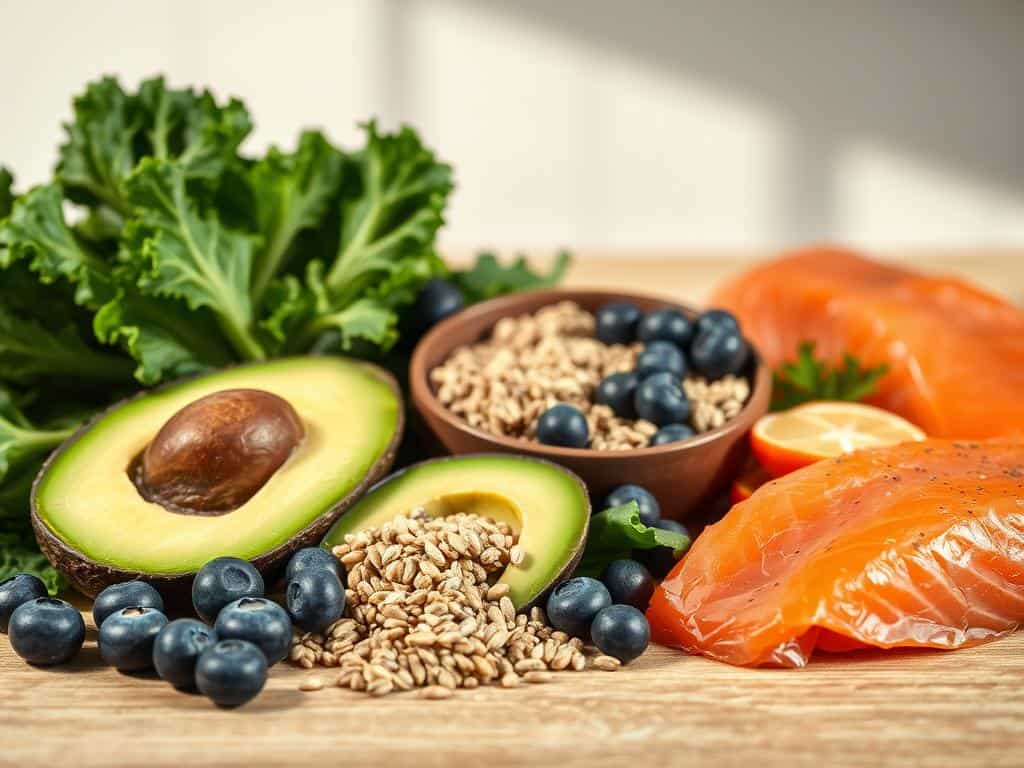
Are Superfoods Necessary for Optimal Nutrition?
In today’s health-conscious world, superfoods have become a big deal in discussions about nutrition. They get a lot of attention for their supposed health benefits. But, are these foods really key to a healthy diet, or just a marketing trend?
Balancing Superfoods with a Healthy Diet
Adding superfoods to your diet can be good, but they’re not everything. A healthy diet needs a variety of foods like fruits, veggies, whole grains, and lean proteins. These foods are important for getting all the vitamins and minerals we need.
Superfoods can make our meals better, but they shouldn’t be the only thing we eat. A balanced diet is essential for staying healthy.
Understanding the Nutritional Complexity
Nutrition is not the same for everyone. Our dietary needs change based on our health, lifestyle, and what we like. Superfoods are nutritious, but they’re not the only answer.
For the best nutrition, we should eat a wide variety of foods. This approach often leads to better health than just eating superfoods.
Conclusion
Exploring superfoods shows they can be very healthy. But, the marketing around them can lead to confusion. The term “superfood” started as a marketing trick in the early 20th Century. It shows we should see these foods as part of a bigger nutrition picture, not magic fixes.
For me, the key is a balanced diet with lots of whole, natural foods. The rise in “superfood” products is interesting, but we shouldn’t forget about regular fruits and veggies. They’re full of nutrients and fiber, helping us stay healthy.
In the end, eating a variety of foods is better than just focusing on superfoods. This approach helps us get all the nutrients we need. It’s a smarter, healthier way to eat, avoiding trends and focusing on lasting nutrition.



MOST COMMENTED
Smart Living
10 Budget-Friendly Smart Home Upgrades Anyone Can Do
Home
Glass Walls: The Future of Modern Home Interiors
Lifestyle
7 DIY Ways to Instantly Reduce Stress!
Smart Living
Alexa vs. Google Home – Which Smart Speaker Wins?
Outdoor
How to Set Up an Outdoor Movie Night!
Lifestyle
How to Improve Focus & Mental Clarity Fast!
Home
Forget Minimalism! How to Nail Maximalist Style