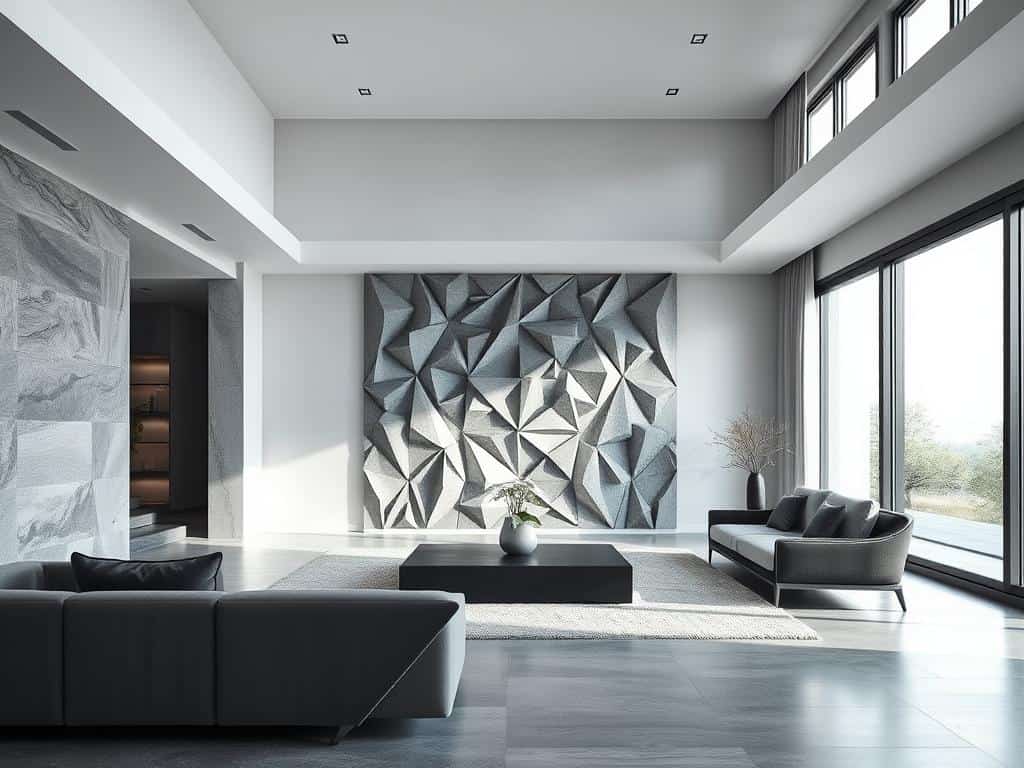
Did you know that using monochromatic colors can make a big impact? These colors are in the same tone and saturation. This design style focuses on one color, creating a sleek look in any space.
It’s also in line with today’s interior design trends. Plus, it lets you play with different textures and shades. This adds depth and interest without the mess of too many colors. By choosing various shades from the same color family, you can turn any room into a peaceful and elegant space.
Exploring monochromatic design, I see the importance of layering materials and textures. Mixing soft velvet with cool rattan or warm wood makes a space interesting. Also, using shiny surfaces and mirrors adds texture and depth to the color scheme.
This approach is a simple yet elegant journey. It shows that simplicity can lead to amazing results.
Key Takeaways
- Monochromatic design utilizes varying shades and tones of a single color for depth.
- Textures such as velvet, leather, and wood enhance the visual interest of spaces.
- Darker shades can serve as accent colors for added cohesion.
- Reflective elements amplify the richness of monochromatic interiors.
- Natural materials contribute warmth and vitality to monochromatic palettes.
The Allure of Monochrome Interiors
Exploring monochromatic design is a journey into simplicity and elegance. This style transforms spaces with a single color family. It makes any room feel inviting and sophisticated.
Why Choose Monochromatic Design?
Many choose monochromatic design for its simplicity. It’s easy to decorate with. Black, white, and gray shades create a sleek look that never goes out of style.
Adding textured throw pillows on a leather sofa adds depth. This mix lets subtle contrasts stand out without being too much.
Relaxing Effect and Cohesion
Monochrome interiors create a calming atmosphere. They’re perfect for bedrooms and living rooms. The balanced contrasts make the home look cohesive.
Texture is key in monochrome design. Velvet, linen, and wood add depth while keeping the elegant feel. Patterns like geometric designs or stripes add interest without breaking the monochrome rule.
Understanding Monochromatic Color Schemes
A monochromatic color scheme focuses on one color, using different shades and textures. This creates a simple yet elegant design. It makes it easy to highlight special items without worrying about colors clashing.
Examples of Monochrome Color Schemes
For example, a deep navy blue can be paired with lighter shades and different materials. Using one color makes a bold statement. Neutral colors, like white, can also be added to enhance the look.
Monochromatic designs come in two styles. One uses just one color, while the other uses different shades of the same color. Using different sheens, like glossy and matte, adds depth to the design.
For instance, using different whites in a kitchen can make it look modern and clean. In a living room, using various blues can create a soothing atmosphere. Tools like the Color a Room tool help visualize these designs, ensuring they look great and balanced.
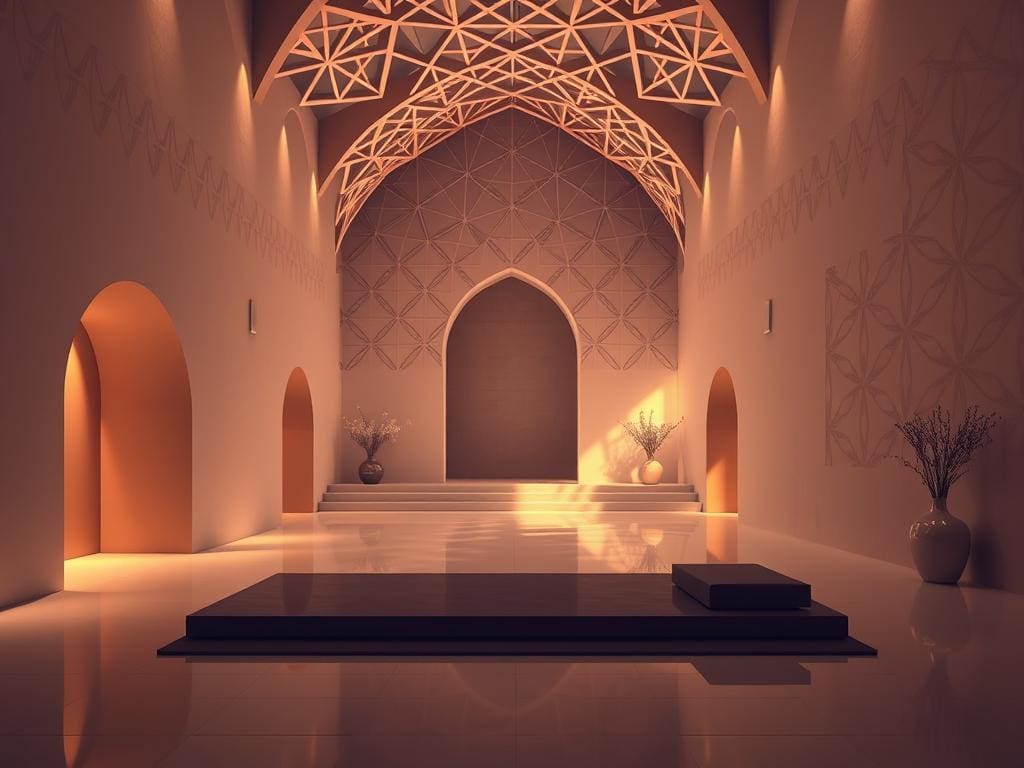
Monochrome Interiors: The Power of Texture
Texture is key in monochrome interiors. A single color lets me play with different textures, making the space more interesting. Mixing materials and finishes brings warmth and character to any room.
Enhancing Spaces with Texture
Combining wood, metal, and fabric creates a rich texture mix. Plush rugs and smooth leather add comfort, while polished metals brighten the room. Exposed brick in soft gray adds depth and keeps the theme.
Textured wallpapers or paneling can make walls stand out. They add interest even with just one color. These elements also support eco-friendly and nature-inspired designs, showing off the beauty of sustainable materials.
Accessorizing with Monochrome
Adding accessories in the same color can change a room’s feel. I pick decor that’s different in texture but the same in color. Wool throws, linen upholstery, and unique ceramics all add to the look.
These small details create a layered, interesting visual experience. Smart lighting can enhance these textures, making the space feel deeper and richer.
Conclusion
Monochrome interiors show the strength of a single color palette in making spaces look elegant. By playing with shades and textures, decorating becomes simpler. This leads to calm and stylish environments that follow the latest trends.
Monochromatic design is loved for its flexibility, from soft neutrals to vibrant colors. Designers like Suzanne Kasler and Michael S. Smith inspire me. They use materials and finishes to make spaces lively and elegant, changing with the day’s light.
Exploring minimalist decor, I see monochrome often uses natural tones and sleek details. This creates spaces that are both peaceful and lasting. With over 300,000 Instagram posts on #MonochromeHome, it’s clear this style is timeless and appealing.


MOST COMMENTED
Smart Living
10 Budget-Friendly Smart Home Upgrades Anyone Can Do
Home
Glass Walls: The Future of Modern Home Interiors
Lifestyle
7 DIY Ways to Instantly Reduce Stress!
Smart Living
Alexa vs. Google Home – Which Smart Speaker Wins?
Outdoor
How to Set Up an Outdoor Movie Night!
Lifestyle
How to Improve Focus & Mental Clarity Fast!
Home
Forget Minimalism! How to Nail Maximalist Style