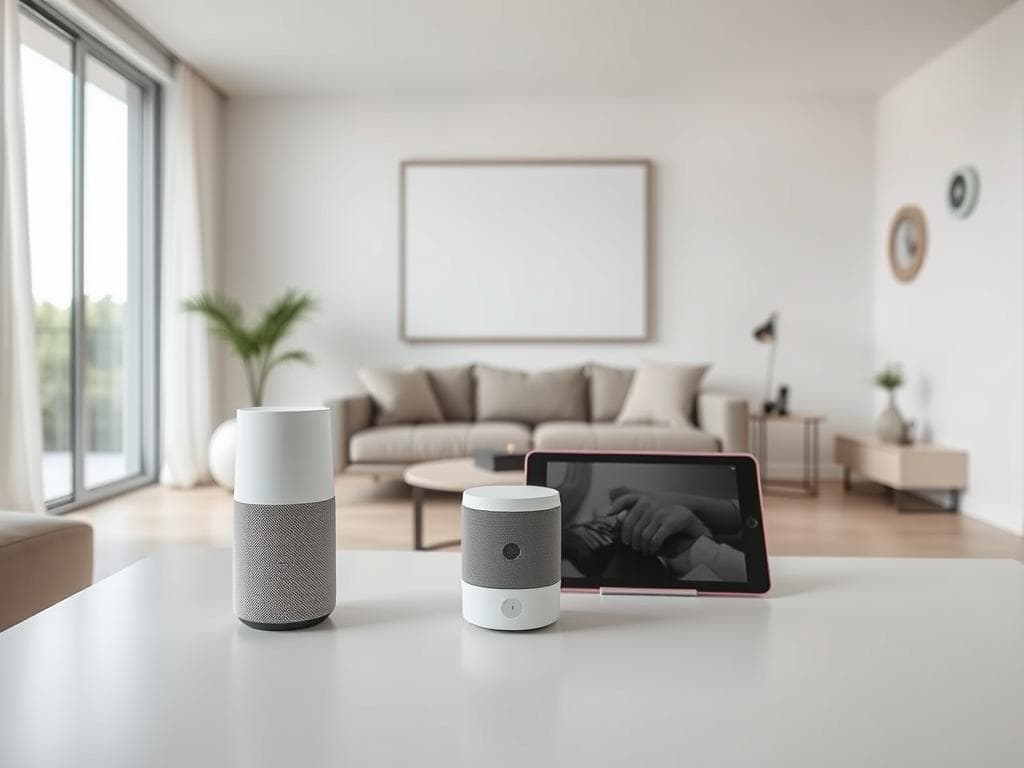
In 2018, there were 22 billion internet-connected devices worldwide. This number is expected to hit 50 billion by 2030. Smart devices like TVs, speakers, and doorbells are everywhere, making life easier but also risking our privacy. They collect a lot of data, from what we say to our daily habits, often without us knowing.
As I explore this digital world, protecting our data is key. In this article, I’ll share important tips to keep your smart home private and safe from cyber threats.
Key Takeaways
- Understand the scale of data collection by smart devices.
- Disabling unnecessary features can significantly enhance your privacy.
- Regularly update device firmware to protect against vulnerabilities.
- Be proactive about managing your smart device settings.
- Utilize your rights under GDPR and CCPA to access and delete your data.
The Risks of Smart Devices in Our Homes
Smart devices are everywhere in our lives, but we must know their risks. They can spy on us, threatening our privacy. Cameras, microphones, and internet connections make our homes vulnerable to hackers.
Hackers can get into these devices and listen to our private talks. This is a big problem.
Understanding Surveillance Capabilities
Smart home assistants and security cameras can watch us without us knowing. Even when turned off, they might listen. This is a big risk.
Devices with weak passwords are easy targets for hackers. Once hacked, they can see and hear everything in our homes. This is very dangerous.
Data Collection Practices
Big tech companies like Google and Amazon collect a lot of our data. They use this to make ads that feel too personal. It makes us feel like we’re losing our privacy.
This mix of data collection and device risks shows we need to be careful with smart tech. We must understand the risks before we use these devices.
Smart Home Privacy Tips to Protect Your Data
Smart home technology has made keeping personal info safe more important than ever. Using smart home privacy tips can really help protect your data. It’s all about regular upkeep and being proactive with security.
Keep Software Updated
It’s vital to update firmware and software on all smart devices. Manufacturers often release updates to fix security issues. Not updating can leave devices open to attacks. Keeping up with updates helps keep your info safe.
Use Strong, Unique Passwords
Passwords are your first defense against hackers. I make sure each device has a strong, unique password. This password should have at least 12 characters, including letters, numbers, and symbols. It makes it harder for hackers to get in and keeps your devices secure.
Enable Two-Factor Authentication
Turning on two-factor authentication (2FA) adds a big security boost. It makes it harder for others to get into your accounts. It’s a smart move to add this extra step for all important accounts.
Securing Your Smart Devices Against Threats
In today’s world, it’s key to protect our smart devices for IoT privacy. With more internet-connected devices at home, keeping them safe is a must. Here are some ways to keep my smart tech and data safe.
Disable Unused Features
Disabling unused features on my smart devices is a smart move. Features like microphones, cameras, and extra app permissions can be risks. Turning them off helps block unwanted access.
It’s wise to check each device’s functions often. Disable unused ones to make my space safer.
Invest in a VPN
Getting a good Virtual Private Network (VPN) is also vital for security. A VPN encrypts my internet, keeping my info private. This is super important when using public Wi-Fi.
By using a VPN for routers, I protect all my IoT devices. This keeps my whole network safe from hackers.
Conclusion
Smart devices in our homes pose significant risks. With 72% of consumers worried about their data security, it’s key to know the dangers. These include data and identity theft, device hijacking, and severe attacks like man-in-the-middle (MITM) and DDoS incidents.
A single weak device can risk the whole network. This makes protecting our data very important.
To keep my home safe, I’ve learned some important tips. Keeping software up to date and using strong passwords are essential. Also, enabling two-factor authentication and using a VPN are musts.
Adding a firewall and an intrusion detection system can also help. Many manufacturers need to focus more on security. This includes using encryption and being clear about privacy policies.
Being aware and taking action is vital for my device security. By following these tips, I can protect my privacy and enjoy IoT benefits safely. Creating a secure smart home is a continuous effort. But it’s worth it for my peace of mind.


MOST COMMENTED
Smart Living
10 Budget-Friendly Smart Home Upgrades Anyone Can Do
Home
Glass Walls: The Future of Modern Home Interiors
Lifestyle
7 DIY Ways to Instantly Reduce Stress!
Smart Living
Alexa vs. Google Home – Which Smart Speaker Wins?
Outdoor
How to Set Up an Outdoor Movie Night!
Lifestyle
How to Improve Focus & Mental Clarity Fast!
Home
Forget Minimalism! How to Nail Maximalist Style