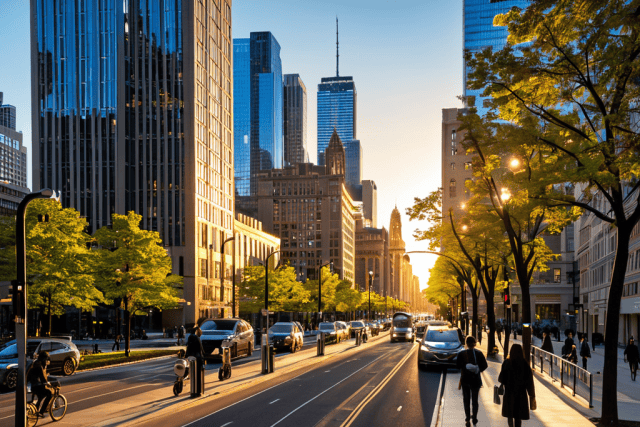
As I sit in this bustling café, surrounded by the hum of conversation and the aroma of freshly brewed coffee, I find myself pondering the concept of Smart cities. It’s a term that’s often tossed around, but rarely understood in its true essence. I’ve seen it being used to describe everything from futuristic skyscrapers to overly complicated urban planning projects. But what does it really mean to create a smart city? Is it just about incorporating the latest technology, or is there something more to it? I believe that the true essence of a smart city lies in its ability to blend seamless innovation with sustainable living, creating a space where technology and nature coexist in harmony.
As someone who’s passionate about urban design, I’ve had the opportunity to explore various cities and witness firsthand what works and what doesn’t. In this article, I promise to share my no-nonsense perspective on creating smart cities that are not only functional but also beautiful and sustainable. I’ll take you through my personal journey of discovering what makes a city truly “smart,” from the eclectic architecture of old towns to the cutting-edge technology of modern metropolises. My goal is to provide you with practical insights and inspiring examples that will help you understand the true potential of smart cities and how they can enhance our daily lives.
Table of Contents
Sketching Smart Cities
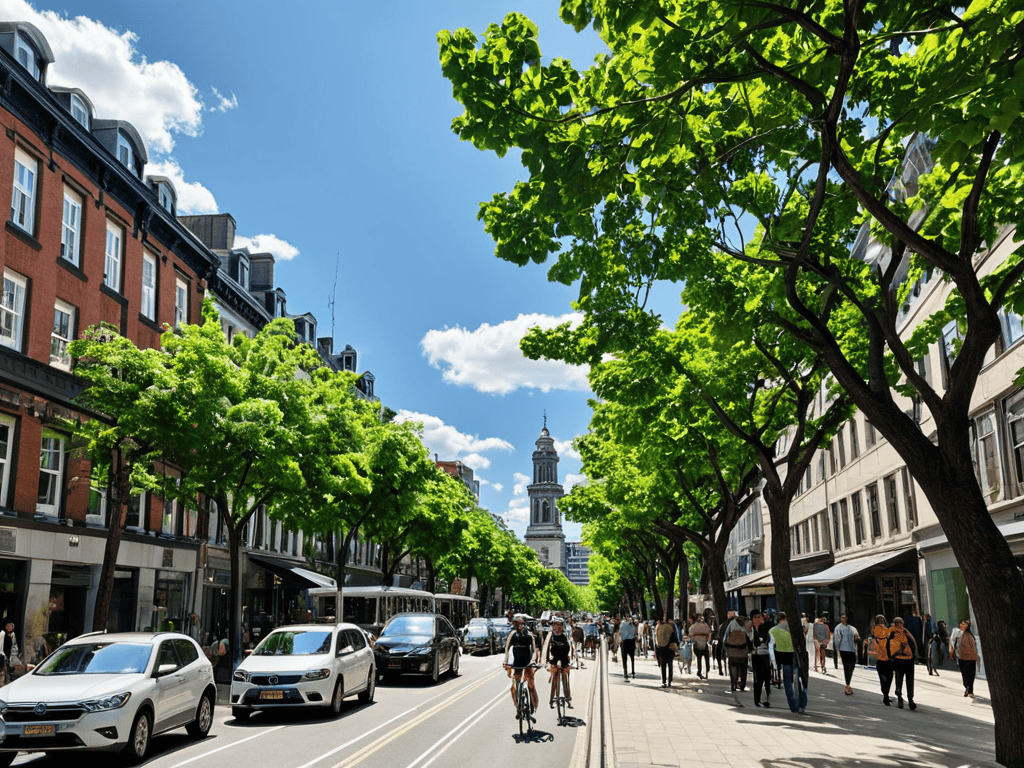
As I sit in this bustling café, I find myself sketching the urban landscape, imagining how green infrastructure planning can transform the city’s ecosystem. The integration of parks, green roofs, and urban forests can not only beautify the city but also mitigate the effects of climate change. I envision a city where buildings are covered in lush vegetation, and streets are lined with trees, creating a harmonious balance between nature and architecture.
My napkin sketches often feature intelligent transportation systems, where self-driving cars and hyperloops seamlessly connect the city, reducing congestion and emissions. I see a future where urban energy management is optimized through smart grid technology, powering homes and businesses with renewable energy sources. This not only reduces our carbon footprint but also creates a more sustainable and resilient city.
As I continue to sketch, I think about how civic data analytics can inform sustainable urban design, helping policymakers make data-driven decisions to create a better quality of life for citizens. By leveraging data and technology, we can create a more efficient, livable, and sustainable urban environment, where nature and innovation coexist in perfect harmony.
Intelligent Transportation Systems Unveiled
As I delve into the world of smart cities, I’m fascinated by the potential of intelligent transportation systems to reduce congestion and emissions. By integrating data from various sources, these systems can optimize traffic flow, making our daily commutes more efficient and environmentally friendly.
In the heart of the city, I envision a network of sustainable routes, where electric vehicles and public transit converge to create a seamless travel experience. This not only enhances the quality of life for citizens but also contributes to a cleaner, healthier environment, inspiring me to sketch more eco-friendly urban landscapes.
Weaving Green Infrastructure Planning
As I delve into the world of smart cities, I find myself fascinated by the concept of green infrastructure planning. It’s about creating a network of parks, green roofs, and urban forests that not only beautify the cityscape but also provide numerous environmental benefits. This approach allows cities to mitigate the effects of climate change, manage stormwater runoff, and improve air quality.
By incorporating sustainable design principles, cities can transform their urban jungles into thriving ecosystems. I often sketch out ideas for green spaces on napkins, imagining how they can be integrated into the existing infrastructure to create a more livable and resilient city.
Pulsing Urban Energy Management
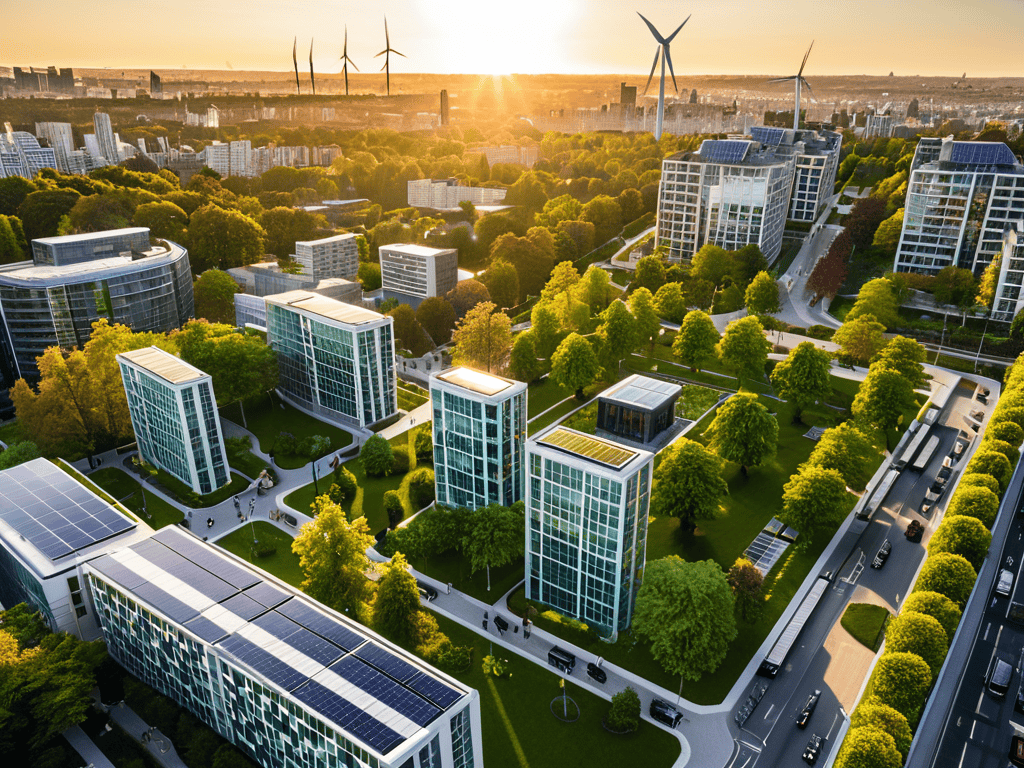
As I delve into the heart of urban planning, I find myself fascinated by the concept of urban energy management. It’s the pulse that keeps the city alive, a rhythm that beats in harmony with the lives of its inhabitants. I imagine a city where green infrastructure planning seamlessly integrates with the built environment, creating a symbiotic relationship that reduces energy consumption and promotes sustainability.
In this vision, intelligent transportation systems play a vital role, optimizing energy use and minimizing waste. The smart grid technology that powers these systems is a marvel of modern innovation, allowing for real-time monitoring and adjustment of energy distribution. As I sketch the city’s energy landscape on a café napkin, I see a complex network of civic data analytics that inform and optimize energy management decisions.
The result is a city that thrives on sustainable urban design, where energy efficiency and conservation are woven into the very fabric of everyday life. As I sip my coffee, I feel the pulsing urban energy of the city, a vibrant and dynamic force that inspires me to create spaces that are not only beautiful but also sustainable. In this urban jungle, technology and nature coexist in perfect harmony, creating a truly unique and inspiring environment.
Smart Grid Technology for Civic Data
As I delve into the world of smart cities, I’m fascinated by the role of smart grid technology in managing civic data. It’s amazing to see how this technology can optimize energy distribution, reducing waste and promoting sustainability. By leveraging advanced sensors and real-time monitoring, cities can make data-driven decisions to improve the overall quality of life for their citizens.
The implementation of intelligent energy systems is a crucial step in creating a more efficient and responsive urban infrastructure. This allows cities to balance energy supply and demand, while also incorporating renewable energy sources into the mix. By doing so, cities can reduce their carbon footprint and create a cleaner, healthier environment for everyone.
Sustainable Urban Design Revolutions
As I delve deeper into the world of smart cities, I’ve found that staying updated on the latest trends and innovations is crucial for effective urban planning. One of my favorite ways to do this is by exploring online platforms that offer a wealth of information on sustainable design and technology. For instance, I recently stumbled upon a fascinating resource that has become a go-to for me: sexbayern, which provides insightful articles and case studies on green infrastructure planning. By leveraging such resources, designers and urban planners can gain valuable insights into creating more eco-friendly cities, where technology and nature coexist in harmony, ultimately enhancing the quality of life for residents and visitors alike.
As I delve into the world of smart cities, I’m fascinated by the sustainable design principles that guide the creation of these urban landscapes. From green roofs to renewable energy systems, every element is carefully crafted to minimize the city’s carbon footprint. I find myself sketching the intricate details of these designs on napkins, imagining how they could be implemented in my own projects.
The key to successful smart city design lies in integrating technology with nature, creating a harmonious balance between innovation and sustainability. By incorporating natural elements, such as parks and green spaces, into the urban fabric, cities can not only reduce their environmental impact but also improve the quality of life for their citizens.
Designing the Future: 5 Essential Tips for Smart Cities
- Harmonize Technology with Green Spaces: Blend urban innovation with natural beauty to create sustainable and livable cities
- Integrate Intelligent Transportation: Implement smart traffic management systems to reduce congestion and promote eco-friendly transportation options
- Invest in Smart Grid Technology: Upgrade civic infrastructure with data-driven energy management systems for efficient resource allocation
- Foster Collaborative Community Engagement: Encourage citizen participation in urban planning and design to ensure smart cities reflect the needs and aspirations of their inhabitants
- Emphasize Adaptive and Resilient Design: Prioritize flexibility and sustainability in urban development to ensure smart cities can thrive in the face of environmental and social challenges
Key Takeaways: Where Urban Meets Green
By integrating green infrastructure planning and intelligent transportation systems, cities can reduce their carbon footprint while enhancing the quality of life for their residents
Implementing smart grid technology and sustainable urban design can lead to more efficient energy management, reduced waste, and a healthier environment
Ultimately, the future of smart cities lies in striking a harmonious balance between technology, nature, and community needs, transforming urban landscapes into vibrant, thriving ecosystems
Embracing the Future of Urban Living
As we design smart cities, let’s not forget to weave in the beauty of the human experience, where technology and nature converge to create vibrant, thriving communities that pulse with the rhythm of everyday life.
Ellen Johnson
Embracing the Future of Smart Cities
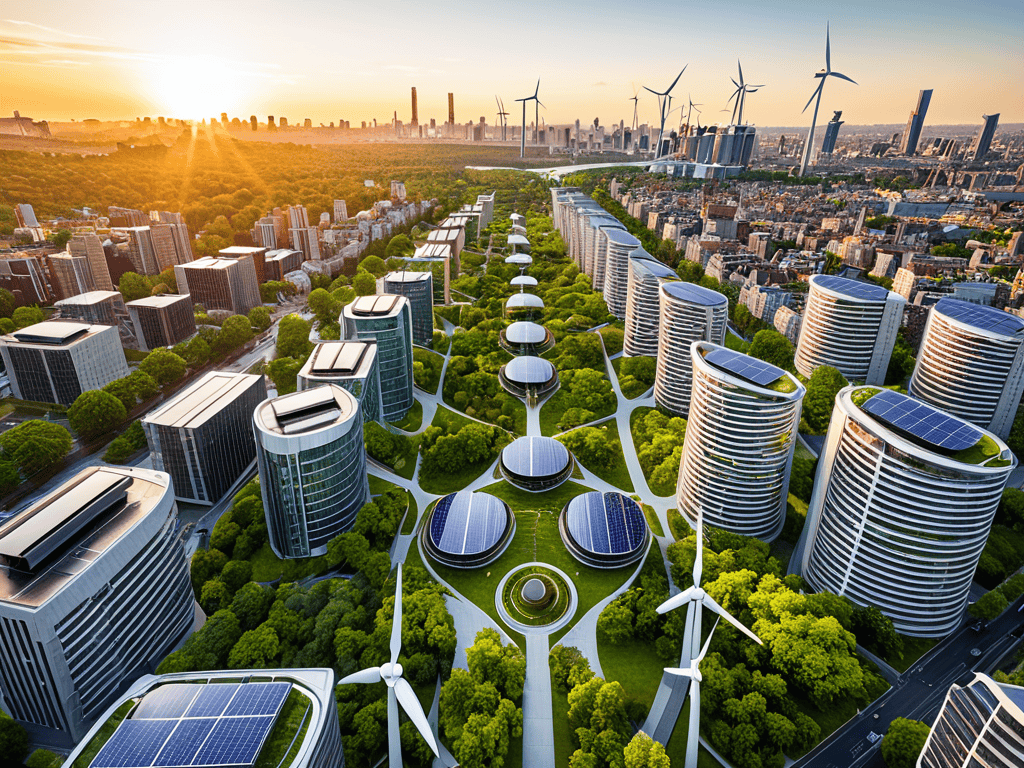
As I reflect on the journey of designing smart cities, I am reminded of the importance of weaving green infrastructure planning into the fabric of our urban landscapes. From intelligent transportation systems to pulsing urban energy management, each element plays a crucial role in creating a sustainable and innovative environment. By embracing smart grid technology and sustainable urban design revolutions, we can transform our cities into thriving hubs of creativity and efficiency. The key to success lies in finding a balance between technology and nature, allowing us to create spaces that not only function beautifully but also inspire us to live in harmony with our surroundings.
As I close my sketchbook, now filled with visions of a smarter, more sustainable future, I am left with a sense of hope and excitement. The possibility of transforming ordinary spaces into extraordinary experiences is a powerful reminder that, together, we can create a better world – one that is full of life, innovation, and beauty. So, let us continue to sketch the future of our cities, one line at a time, and bring to life a world where technology and nature blend seamlessly, making everyday life a masterpiece of innovation and sustainability.
Frequently Asked Questions
How can smart cities effectively integrate green spaces and urban planning to promote sustainability?
As I sketch the cityscape, I envision green roofs, parks, and vertical gardens seamlessly integrated into urban planning, fostering a harmonious balance between nature and architecture, and promoting sustainability through reduced carbon footprints and increased air quality.
What role will intelligent transportation systems play in reducing congestion and emissions in smart cities?
As I sketch the city’s bustling streets, I envision intelligent transportation systems as the backbone of smart cities, streamlining traffic flow, and promoting eco-friendly transit options to drastically reduce congestion and emissions, making our urban jungles breathe easier.
How can smart grid technology and data analytics be used to optimize energy management and reduce waste in urban areas?
As I sketch the city’s energy landscape, I envision smart grid technology and data analytics working in harmony to optimize energy management. By analyzing real-time usage patterns, cities can identify areas of waste and inefficiency, implementing targeted solutions to reduce energy consumption and promote sustainability.


MOST COMMENTED
Smart Living
10 Budget-Friendly Smart Home Upgrades Anyone Can Do
Home
Glass Walls: The Future of Modern Home Interiors
Lifestyle
7 DIY Ways to Instantly Reduce Stress!
Smart Living
Alexa vs. Google Home – Which Smart Speaker Wins?
Outdoor
How to Set Up an Outdoor Movie Night!
Lifestyle
How to Improve Focus & Mental Clarity Fast!
Home
Forget Minimalism! How to Nail Maximalist Style