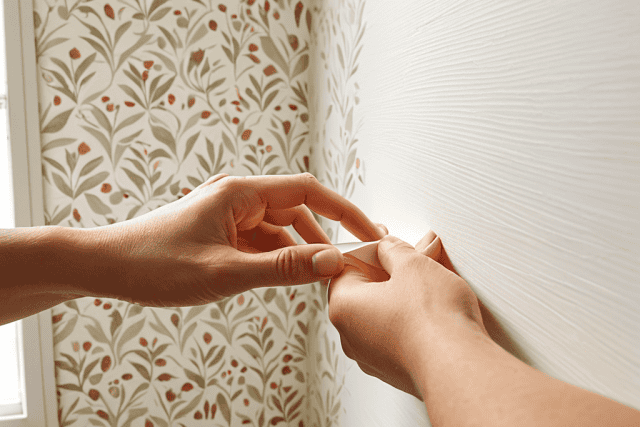
I still remember the first time I tried installing peel and stick wallpaper in my tiny studio apartment – it was a game-changer. The myth that it’s a tedious, messy process that requires professional help is simply not true. In fact, with the right guidance, it can be a fun and creative way to add some personality to your space. I’ve had my fair share of trial and error, but the end result is always worth it – a unique and eclectic touch that reflects my love for urban sketching and blending natural elements with modern design.
As someone who’s passionate about transforming ordinary spaces into extraordinary experiences, I’m excited to share my honest and practical advice on installing peel and stick wallpaper. In this article, you can expect to learn the ins and outs of this simple yet effective design solution, from preparation to completion. I’ll walk you through the process, sharing my own tips and tricks for achieving a seamless and professional-looking finish. Whether you’re a DIY enthusiast or just looking to give your room a fresh new look, this guide is for you – so let’s get started and uncover the magic of peel and stick wallpaper together!
Table of Contents
Project Overview
Total Time: 2 hours 30 minutes
Estimated Cost: $20 – $100
Difficulty Level: Easy
Tools Required
- Utility Knife ((with extra blades))
- Measuring Tape
- Pencil
- Level
- Ladder or Step Stool ((depending on ceiling height))
- Smoothing Tool or Credit Card ((for applying wallpaper))
Supplies & Materials
- Peel and Stick Wallpaper ((choose your design and quantity needed))
- Wall Cleaner ((to clean the wall before application))
- Primer (optional) ((if your walls have a glossy finish or are a dark color))
Step-by-Step Instructions
- 1. First, prep your space by clearing the area around the wall where you’ll be installing the peel and stick wallpaper. This means moving furniture away from the wall, covering the floor and any remaining furniture with drop cloths, and removing any outlet covers or light switch plates. I like to think of this step as setting the stage for my creative project, and it’s essential to get it right.
- 2. Next, clean the wall thoroughly to ensure it’s free of dust, dirt, and grease. This will help the adhesive on the wallpaper stick properly, and it’s a crucial step that can make or break the entire process. I use a mixture of soap and water to wipe down the wall, and then let it dry completely before moving on to the next step.
- 3. Now it’s time to measure your wall, taking note of any obstacles like windows, doors, or electrical outlets. This will help you determine how many strips of wallpaper you’ll need, as well as the best placement for each strip. I like to use a laser level to get accurate measurements, and I always double-check my calculations to avoid any mistakes.
- 4. With your measurements in hand, it’s time to cut your wallpaper strips. Use a craft knife or scissors to cut the strips to the right size, leaving a little extra at the top and bottom for trimming later. I find it helpful to cut a few strips at a time, rather than trying to cut the entire roll at once, to avoid any errors.
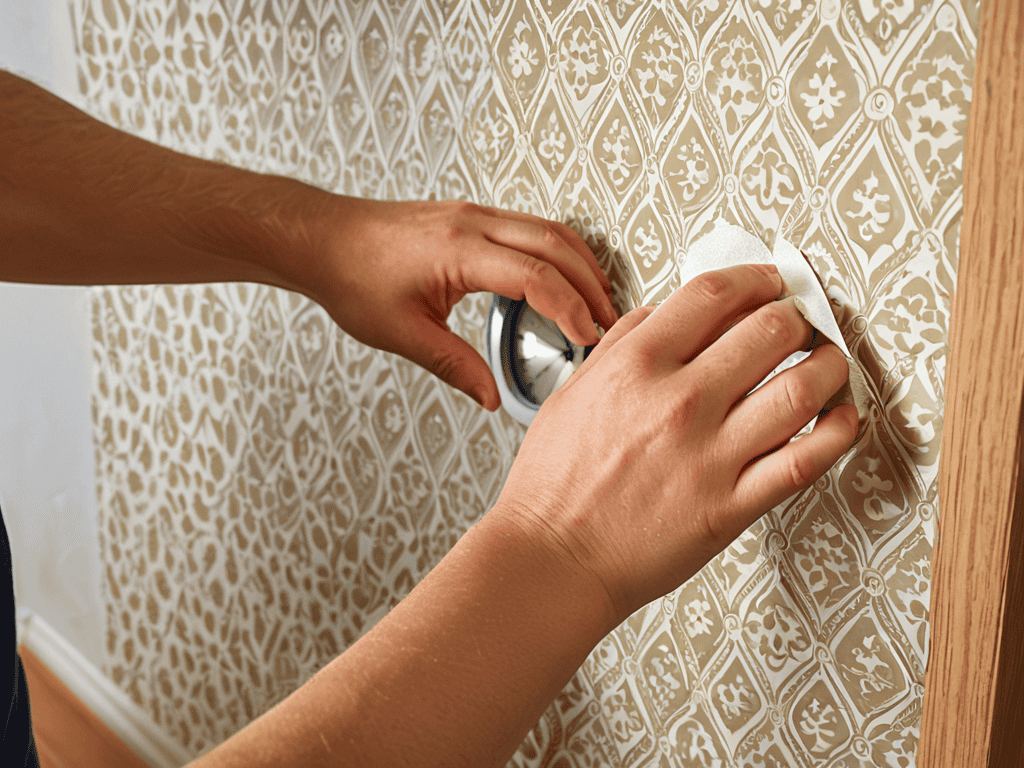
- 5. Apply the first strip of wallpaper to the wall, starting from the center and working your way outwards. Use a level to ensure the strip is straight, and a credit card or similar tool to smooth out any air bubbles or wrinkles. I like to use a gentle touch when applying the wallpaper, as it can be delicate, and I always make sure to smooth out the strip from the center outwards to avoid any air pockets.
- 6. Continue applying the remaining strips of wallpaper, overlapping each strip by about half an inch to ensure a seamless joint. Use a pencil mark to guide each strip, and make sure to smooth out each strip as you go. I find it helpful to work in small sections, rather than trying to cover the entire wall at once, to maintain even spacing and alignment.
- 7. Once all the strips are applied, use a utility knife to trim the excess wallpaper at the top and bottom of the wall. I like to use a fresh blade to get a clean cut, and I always trim the excess carefully to avoid scratching the wall. Finally, step back and admire your handiwork – you’ve successfully installed your peel and stick wallpaper, and it’s time to enjoy your newly transformed space!
Installing Peel and Stick Wallpaper
As I sit here with my sketchbook, sipping coffee and contemplating my next design project, I’m reminded of the importance of preparing the wall for a seamless installation. A smooth surface is essential for preventing air bubbles and ensuring a flawless finish. I always make sure to clean the wall thoroughly and fill any holes or cracks before applying the wallpaper. This extra step may seem minor, but it can make a significant difference in the final result.
When working with removable wallpaper options, it’s crucial to consider the wallpaper pattern repetition. This can be a fun and creative challenge, as you can use the repetition to create a unique and visually appealing design. I enjoy experimenting with different patterns and layouts to find the perfect fit for each space. By taking the time to plan and prepare, you can achieve a professional-looking result that enhances the overall aesthetic of the room.
To achieve a polished finish, I recommend investing in the right tools for smoothing air bubbles. A simple tool can make all the difference in preventing bubbles and wrinkles, ensuring a smooth and even application. By combining the right tools with a little patience and creativity, you can unlock the full potential of your peel and stick wallpaper and create a space that truly reflects your personality and style.
Smoothing Air Bubbles With Ease
As I sit in my favorite café, sipping a latte and sketching the floor plan on a napkin, I think about the little details that make a space truly special. Smoothing air bubbles is one of those details that can make or break the look of your peel and stick wallpaper. I’ve found that using a credit card or a similar tool to gently press out the bubbles works like a charm. It’s all about being gentle and patient, just like when I’m urban sketching and trying to capture the perfect light.
By smoothing out those air bubbles, you’ll be able to achieve a seamless look that enhances the overall aesthetic of your space. It’s a small step, but it makes a big difference in the end result, and it’s a great example of how attention to detail can elevate your design.
Unveiling Removable Wallpaper Options
As I continue to explore the world of removable wallpaper, I’ve found that having the right tools and resources can make all the difference in achieving a seamless look. For those looking to take their DIY projects to the next level, I highly recommend checking out some online communities and forums that specialize in home decor and design – you can find some really valuable insights and tips from experienced designers and enthusiasts. In fact, I recently stumbled upon a great website that offers a wide range of resources and inspiration for transforming your space, and I think it’s definitely worth a visit: sex in perth. By leveraging these kinds of resources, you can gain a better understanding of how to bring your design vision to life and create a space that truly reflects your personality and style.
As I sit in my favorite café, sipping coffee and sketching floor plans on a napkin, I’m reminded of the countless possibilities that removable wallpaper offers. From geometric patterns to nature-inspired motifs, the options are endless. I’ve seen clients transform a dull room into a vibrant oasis with a simple yet bold design choice. The best part? It’s easy to switch up the look when you’re ready for a change.
I’ve fallen in love with the versatility of removable wallpaper, and I’m excited to explore the various designs and textures available. Whether you’re a fan of minimalist chic or eclectic charm, there’s a peel and stick option to match your unique style. With its ease of use and commitment-free approach, removable wallpaper is the perfect solution for renters, homeowners, and design enthusiasts alike.
Peel and Stick Perfection: 5 Tips to Transform Your Space
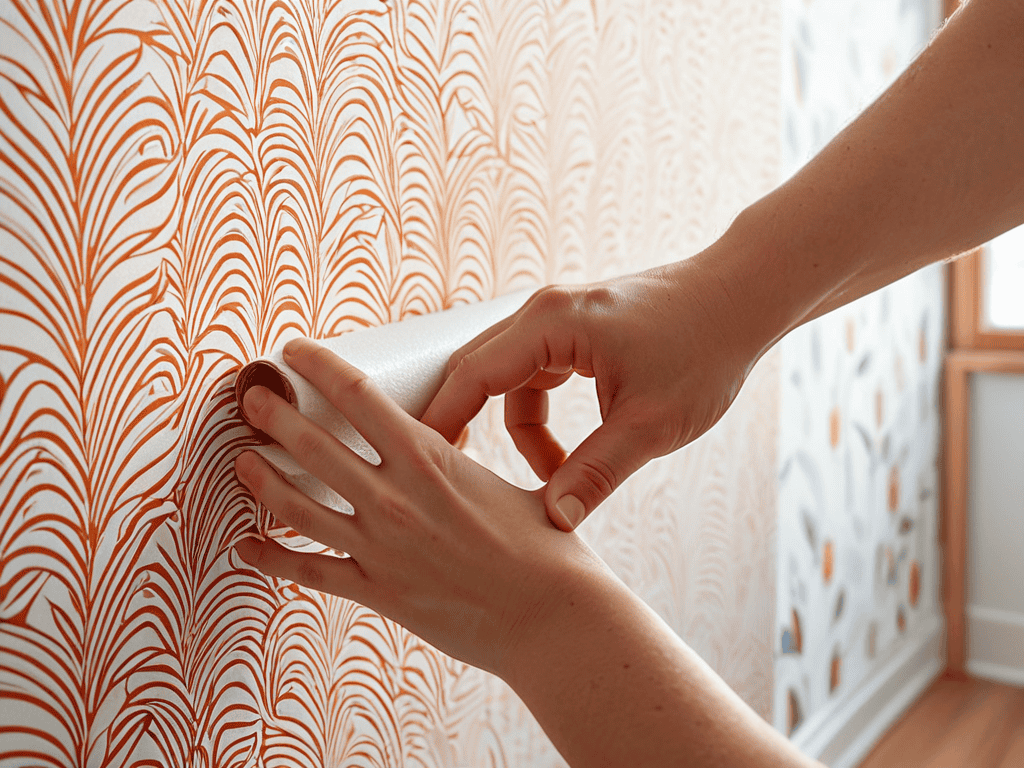
- Measure Twice, Stick Once: Double-check your wall dimensions to ensure a seamless fit and avoid awkward repeats or cuts
- Clean Slate: Dust, dirt, and grime can wreak havoc on adhesion – give your walls a good wipe-down before applying your peel and stick wallpaper
- Pattern Palooza: Don’t be afraid to get creative with pattern repeats and alignments – it’s all about finding a rhythm that works for your unique space
- Bubble Trouble: Use a credit card or a specialized tool to gently smooth out air bubbles as you go, working from the center outwards for a flawless finish
- Lighting Magic: Consider the lighting in your room when choosing a peel and stick wallpaper – some patterns and colors can look dramatically different in different lighting conditions, so don’t be afraid to test and adjust
Key Takeaways for a Seamless Peel and Stick Wallpaper Experience
Embracing the world of peel and stick wallpaper can revolutionize your space with minimal fuss, allowing you to unleash your creativity and personalize your walls like never before
Mastering the art of smoothing air bubbles and choosing the right removable wallpaper options can make all the difference in achieving a professional-looking finish that elevates your room’s ambiance
By following these simple, step-by-step guides and tips, you’ll be well on your way to transforming any room into a stunning reflection of your personal style, all while enjoying the therapeutic fun of a DIY project
Transforming Spaces with Ease
As I always say, a room is not just a space, it’s a canvas waiting for the brushstrokes of personality, and peel and stick wallpaper is the perfect tool to add that pop of color, texture, and whimsy, allowing us to redefine our surroundings with simplicity and elegance.
Ellen Johnson
Conclusion
As we conclude this journey of transforming our spaces with peel and stick wallpaper, it’s essential to remember the key points that make this DIY project a success. From choosing the perfect removable wallpaper option to smoothing out air bubbles with ease, each step plays a crucial role in achieving a professional-looking finish. By following these steps and tips, you’ll be well on your way to giving your rooms a fresh new look that reflects your personality and style.
So, the next time you’re feeling inspired to give your space a makeover, don’t be afraid to unleash your creativity and try something new. Remember, it’s all about having fun and making your space your own. With peel and stick wallpaper, the possibilities are endless, and the best part is, you can change it up whenever you want, making it the perfect solution for renters and homeowners alike. Happy decorating, and don’t forget to enjoy the process of transforming your space into a beautiful reflection of you!
Frequently Asked Questions
What are the most common mistakes to avoid when installing peel and stick wallpaper?
When working with peel and stick wallpaper, I’ve found that common mistakes to avoid include not cleaning the wall surface beforehand, not aligning the pattern correctly, and applying too much pressure, which can cause air bubbles – all easy pitfalls to avoid with a little patience and planning.
How do I choose the right pattern and design for my specific room dimensions?
For me, choosing the right pattern and design is all about harmony – I consider the room’s dimensions, natural light, and furniture layout. I love sketching out floor plans to visualize how different patterns will play out, and I always think about the 60-30-10 rule: 60% dominant pattern, 30% secondary, and 10% accent.
Can I reuse peel and stick wallpaper if I need to reposition it or move to a new location?
The flexibility of peel and stick wallpaper is one of its best features. While it’s technically possible to reuse it, the adhesive might not be as strong the second time around. If you need to reposition it, try to do so gently to avoid stretching or creasing the paper. However, for a new location, it’s often best to invest in a fresh roll for optimal results.



MOST COMMENTED
Smart Living
10 Budget-Friendly Smart Home Upgrades Anyone Can Do
Home
Glass Walls: The Future of Modern Home Interiors
Lifestyle
7 DIY Ways to Instantly Reduce Stress!
Smart Living
Alexa vs. Google Home – Which Smart Speaker Wins?
Outdoor
How to Set Up an Outdoor Movie Night!
Lifestyle
How to Improve Focus & Mental Clarity Fast!
Home
Forget Minimalism! How to Nail Maximalist Style