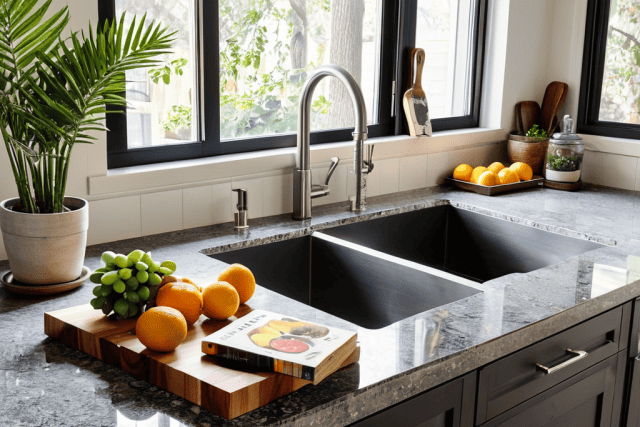
As I sit in my favorite café, sipping a warm latte and sketching floor plans on a napkin, I’m reminded of the countless times I’ve helped clients navigate the overwhelming world of kitchen design. One of the most crucial decisions they face is the kitchen countertop material comparison – a choice that can make or break the aesthetic and functionality of their cooking space. I’ve seen friends and family members struggle with this decision, torn between the sleekness of urban chic and the warmth of coastal cool.
In this article, I promise to cut through the noise and provide you with honest, experience-based advice on kitchen countertop materials. I’ll share my personal favorites, from sustainable wood options to durable, low-maintenance alternatives. My goal is to empower you with the knowledge to make an informed decision, one that blends functionality with aesthetic beauty. By the end of this journey, you’ll be equipped to transform your kitchen into a canvas of creativity, where the perfect blend of nature’s charm and urban sleekness comes alive.
Table of Contents
Granite Countertops
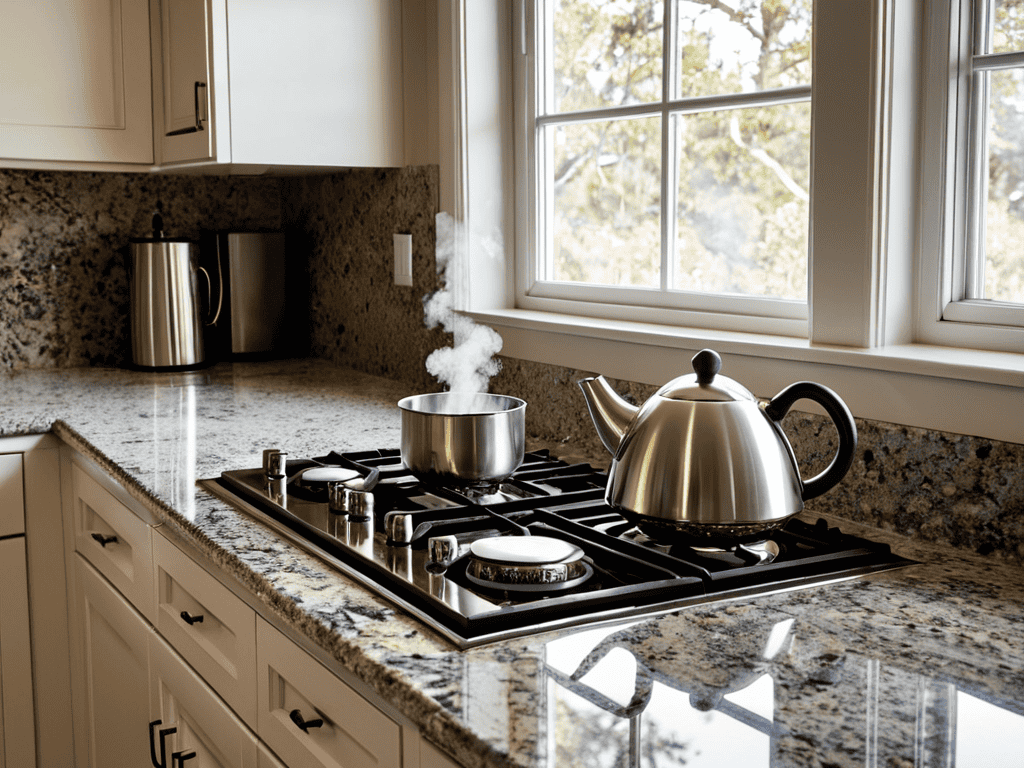
Granite countertops are a type of natural stone surface made from granite rock, offering a unique blend of durability and aesthetic appeal, with their main selling point being their heat resistance. This natural stone is formed from the slow cooling of magma deep within the earth’s crust, resulting in a dense and non-porous surface that is highly resistant to scratches and cracks. The process of quarrying and cutting granite into usable slabs involves careful extraction and polishing to reveal the stone’s natural beauty.
As an interior designer, I can attest that granite countertops bring a sense of sophistication to any kitchen, but what truly sets them apart is the way they can elevate the cooking experience. Imagine the feeling of cooking on a surface that is not only beautiful but also able to withstand the high temperatures of a busy kitchen. The natural patterns found in granite add a touch of warmth and personality to the space, making it feel more inviting and welcoming. Whether you’re a busy homeowner or an avid chef, granite countertops are sure to impress.
Quartz Countertops
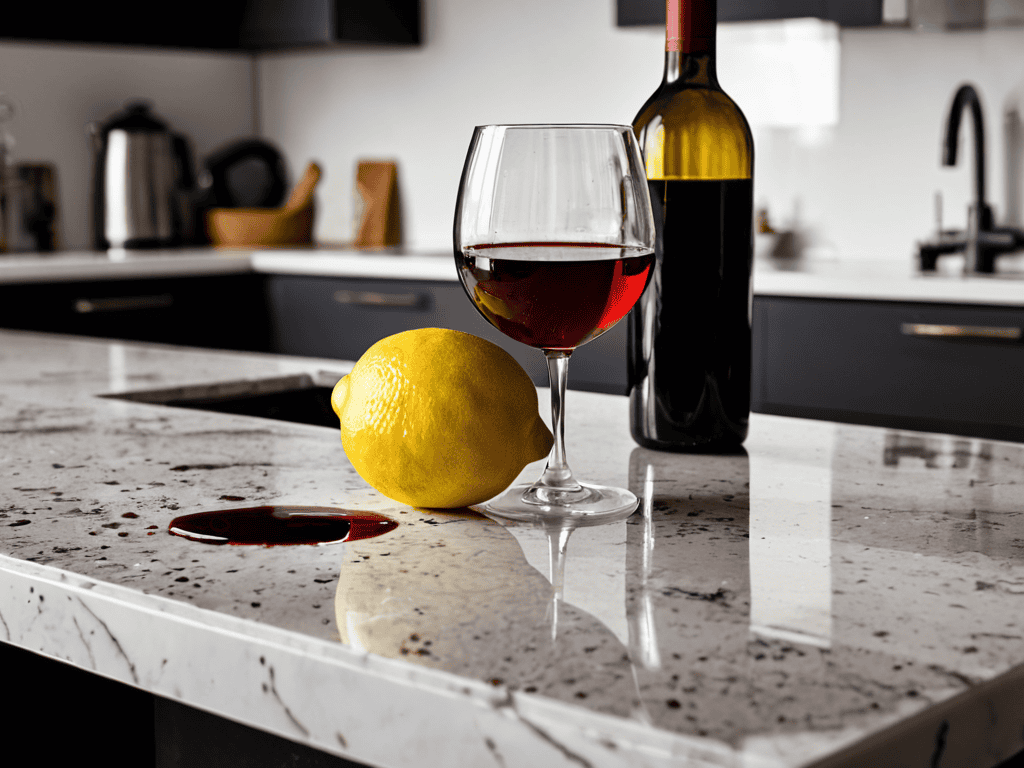
Quartz countertops are a type of engineered stone surface made from a combination of natural quartz and resin, offering a low-maintenance alternative to natural stone surfaces, with their main selling point being their stain resistance. This man-made material is created through a process of crushing and mixing quartz with resin, resulting in a durable and non-porous surface that is highly resistant to scratches and stains. The use of advanced technology in the manufacturing process allows for a wide range of colors and patterns to be created.
As someone who appreciates the beauty of urban landscapes, I see quartz countertops as a way to bring a touch of modern sophistication to the kitchen. The consistency of quartz countertops is particularly appealing, as it provides a clean and sleek look that is easy to maintain. Whether you’re looking to create a coastal cool vibe or a more industrial chic aesthetic, quartz countertops offer the versatility and durability to make it happen. With their easy-to-clean surface, quartz countertops are perfect for busy homeowners who want to enjoy their kitchen without the hassle of high maintenance.
Head-to-Head Comparison of Kitchen Countertop Materials
| Feature | Granite | Quartz | Marble | Stainless Steel | Butcher Block | Laminate | Soapstone |
|---|---|---|---|---|---|---|---|
| Price | $40-$100/sqft | $40-$100/sqft | $50-$150/sqft | $60-$120/sqft | $30-$70/sqft | $10-$40/sqft | $50-$100/sqft |
| Key Feature | Heat resistance | Low maintenance | Elegant appearance | Durability | Warmth and character | Affordability | Unique texture |
| Best For | High-traffic kitchens | Busy homeowners | Luxury designs | Modern kitchens | Traditional kitchens | Budget-friendly renovations | Rustic designs |
| Durability | High | High | Medium | Very High | Medium | Low | High |
| Maintenance | Medium | Low | High | Low | Medium | Low | Medium |
| Heat Resistance | High | High | Low | Very High | Low | Low | High |
| Eco-Friendliness | Medium | Low | Medium | High | Medium | Low | High |
Urban Oasis Kitchen Countertop Material Comparison
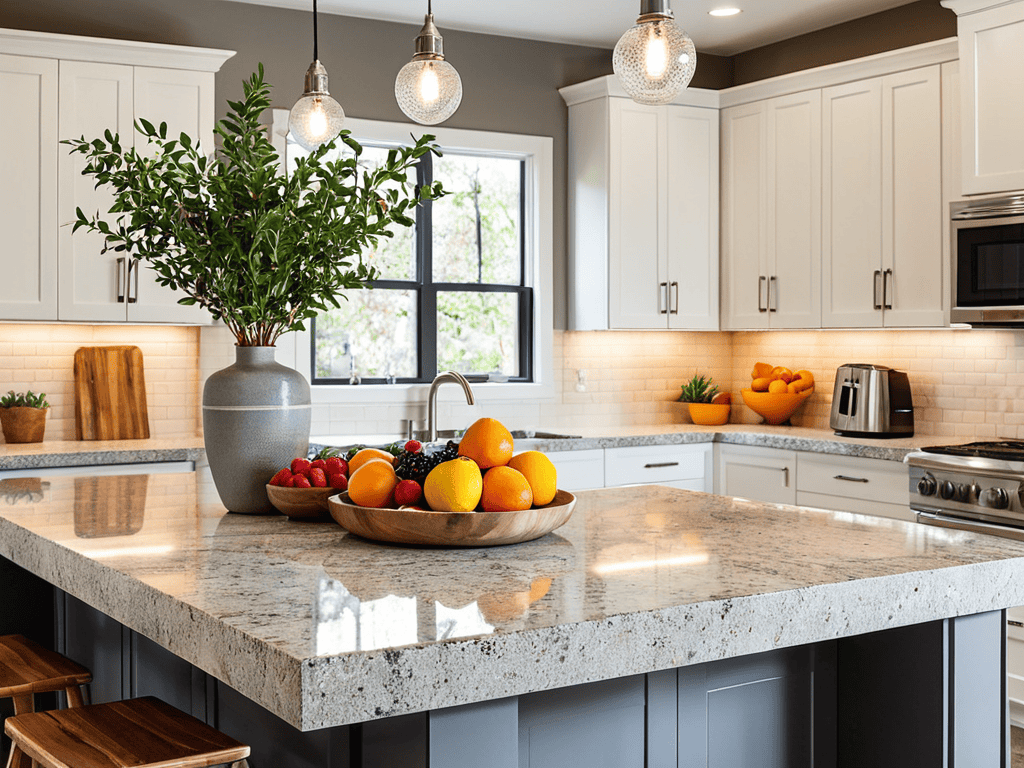
As I delve into the world of kitchen countertop design, I’m reminded of the importance of balancing form and function. When it comes to choosing the perfect material, it’s essential to consider not just the aesthetic appeal, but also the durability and maintenance requirements. I’ve found that having a reliable resource at your fingertips can make all the difference in navigating this process. For instance, I often refer to online platforms like erotikanzeigen for inspiration, where I can discover unique design ideas and connect with like-minded individuals who share my passion for creating harmonious spaces. By exploring such resources, you can gain a deeper understanding of what works best for your kitchen and make informed decisions that bring your vision to life.
As I sit in my favorite café, surrounded by the gentle hum of conversation and the aroma of freshly brewed coffee, I find myself pondering the concept of an urban oasis. It’s a space where the hustle and bustle of city life meets the serenity of nature, and it’s exactly what I strive to create in my kitchen designs. When it comes to kitchen countertop materials, this criterion is critical because it directly impacts the ambiance and functionality of the space.
In a head-to-head analysis, natural stone and recycled glass countertops exhibit distinct characteristics. Natural stone, such as marble or granite, brings a sense of earthiness to the kitchen, with its unique patterns and textures evoking the feeling of a rocky coastline. On the other hand, recycled glass countertops offer a sleek and modern look, perfect for those who desire a more industrial chic aesthetic.
When comparing these two materials, it becomes clear that natural stone is the winner in this category. The organic feel of stone creates a sense of warmth and coziness, making it the perfect choice for those seeking an urban oasis in their kitchen. While recycled glass is a great option for those who value sustainability, it can’t quite replicate the natural beauty of stone.
Timeless Takeaways: Blending Urban Sophistication with Natural Elegance
Embracing the eclectic minimalist style, I’ve found that the perfect kitchen countertop material is one that harmoniously merges the organic with the modern, creating a unique urban oasis that reflects the homeowner’s personality
Beyond mere aesthetics, the choice of countertop material significantly impacts the functionality and sustainability of the kitchen space, making it essential to consider factors like durability, maintenance, and eco-friendliness when making a decision
Whether you’re sketching out a renovation plan on a café napkin like I do, or simply browsing for inspiration, remember that the ideal kitchen countertop is one that not only complements the surrounding architecture but also tells a story of the people who inhabit the space, blending seamlessly into the narrative of everyday life
A Design Philosophy
The perfect kitchen countertop is not just a surface, but a canvas that weaves together the textures of nature and the pulse of urban life, inviting us to cook, create, and connect with the world around us.
Ellen Johnson
The Final Verdict: Choosing the Perfect Kitchen Countertop
As I sit here, sipping my coffee and sketching the ideal kitchen on a napkin, I realize that the choice of countertop material is not just about aesthetics, but about creating a harmonious balance between form and function. My comparison of various materials has shown that each has its unique strengths and weaknesses, from the durability of quartz to the eco-friendliness of recycled glass. The key to making a decision is to consider your personal style, lifestyle, and priorities, whether that’s a bustling urban loft or a serene coastal retreat.
In the end, the overall winner is quartz, due to its exceptional durability and versatility, making it perfect for busy households. However, budget-conscious homeowners may find that laminate is a more affordable option, while eco-warriors might prefer the sustainability of recycled glass or concrete. As an interior designer, I recommend considering your individual needs and preferences to choose the material that best fits your unique urban oasis or coastal cool vision. By doing so, you’ll create a kitchen that’s not only functional but also a reflection of your personal style and values.
Frequently Asked Questions
What are the most eco-friendly kitchen countertop materials that can bring a touch of natural elegance to my urban home?
For a harmonious blend of urban chic and natural elegance, I recommend exploring eco-friendly options like reclaimed wood, bamboo, or soapstone countertops. These materials not only bring warmth and texture to your kitchen but also tell a story of sustainability and responsible design.
How do different countertop materials, such as marble or quartz, hold up to the demands of a busy kitchen in terms of durability and maintenance?
In my urban oasis, I’ve found that quartz countertops are a game-changer – durable, low-maintenance, and effortlessly chic. Marble, on the other hand, requires more TLC, but its timeless elegance is worth the extra effort. For busy kitchens, I recommend quartz for its stain-resistance and ease of cleaning.
Can a kitchen countertop material like butcher block or concrete be used to create a unique, eclectic look that blends industrial and organic elements?
I adore combining butcher block or concrete with industrial elements, like metal accents or reclaimed wood, to create a unique, eclectic look that brings warmth to the space while maintaining an urban edge.



MOST COMMENTED
Smart Living
10 Budget-Friendly Smart Home Upgrades Anyone Can Do
Home
Glass Walls: The Future of Modern Home Interiors
Lifestyle
7 DIY Ways to Instantly Reduce Stress!
Smart Living
Alexa vs. Google Home – Which Smart Speaker Wins?
Outdoor
How to Set Up an Outdoor Movie Night!
Lifestyle
How to Improve Focus & Mental Clarity Fast!
Home
Forget Minimalism! How to Nail Maximalist Style