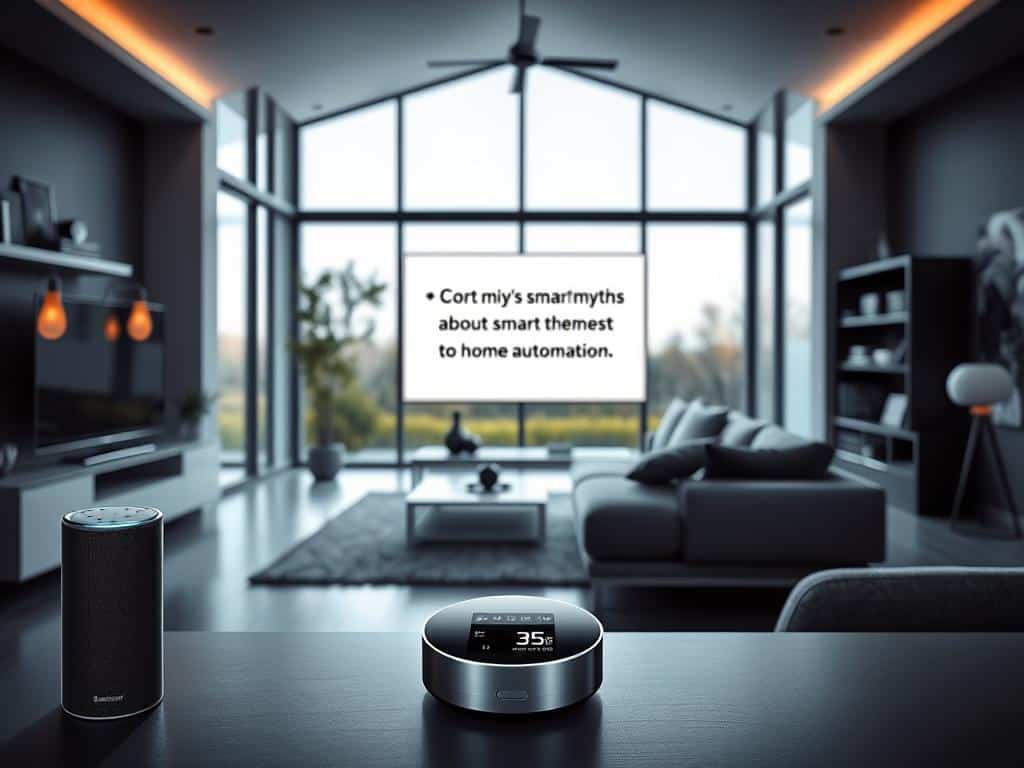
Did you know over 70% of homeowners are hesitant to get smart home tech because of myths? This is surprising, given how much people want to make their homes smarter. Smart devices can really make our lives easier and more efficient. But, myths about them stop us from enjoying these benefits.
It’s important to know these myths. They can affect our safety, comfort, and even how much energy we use. In this article, I’ll explore these myths and how they hold us back from using smart home tech.
Key Takeaways
- Over 70% of homeowners are deterred by common smart home myths.
- Home automation can save energy by monitoring and controlling consumption.
- Many smart devices are easy to install and operate without technical expertise.
- Customizable smart home solutions can fit any house size.
- Security measures in smart devices effectively prevent unauthorized access.
- Home automation can enhance convenience, not limit it.
Understanding Home Automation Myths
Many people believe wrong things about smart homes. This stops them from using smart technology. We will clear up these myths, showing how they keep people from using these helpful tools.
Common Misconceptions about Smart Homes
One big myth is that smart homes are too expensive. But, smart devices are getting cheaper. You can start with simple things and add more as you get used to it.
Another myth is that all smart devices must be from the same brand. But, systems like Yubii Home Pro work with many brands. They use different protocols for easy setup.
How These Myths Impact Adoption of Smart Technology
Some think smart tech is too hard to use. But, most devices are easy to set up. They come with simple apps and voice commands.
Security worries also hold people back. But, good brands use strong encryption and update their software often. This makes smart homes safe and efficient, saving money and improving your home.
Myth 1: Home Security Systems are Too Expensive
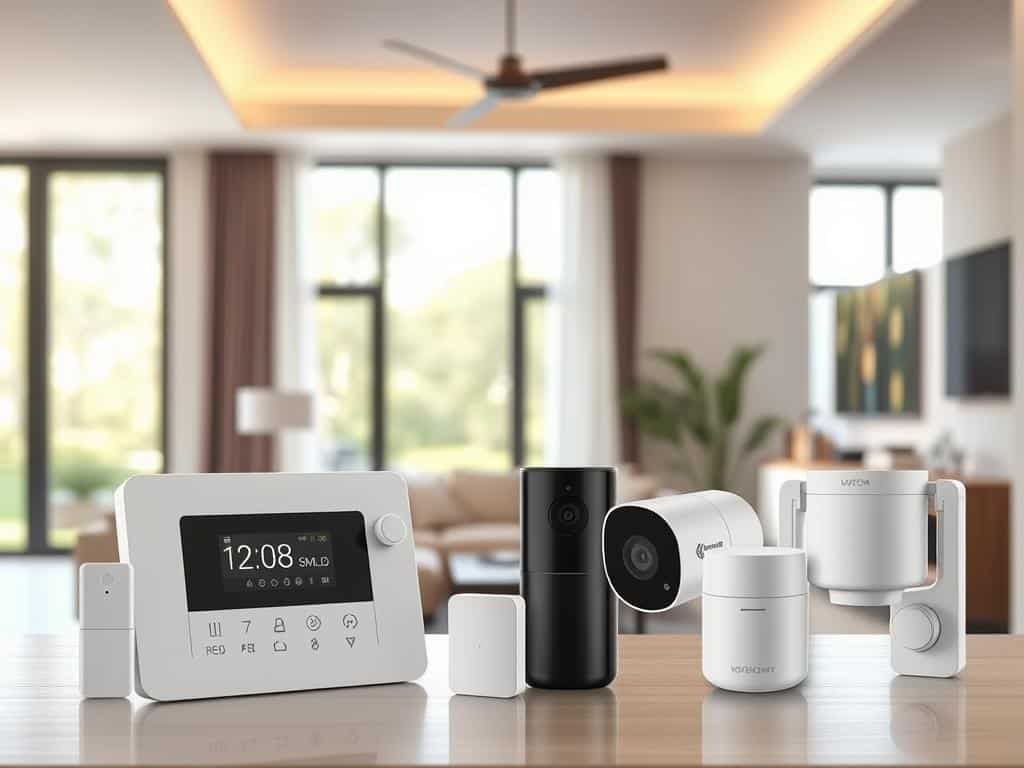
Many think home security is too pricey. But, thanks to new tech, it’s much cheaper now. DIY setups, like cameras and sensors, can cost just a few hundred dollars.
The Truth About DIY Security Costs
DIY security is a great way to save money. It lets you start small and add more later. This way, you can fit your security to your budget and needs.
Using smart home devices can also save you money on bills. This makes your security solution even more affordable.
Understanding Professional Monitoring vs. DIY Options
DIY security is cheap, but professional monitoring is key. Companies like SimpliSafe and Arlo charge $10 to $25 a month. This service gives you peace of mind and might even lower your insurance costs.
Adding professional monitoring to your system is a smart choice. It boosts your home’s safety and could even increase its value.
Myth 2: Smart Devices Require Advanced Tech Skills
Many think smart devices need advanced tech skills. This stops people from trying out home automation. But, most smart home apps are made to be easy to use.
The Simplicity of Using Smart Home Apps
Smart home apps are designed to be simple and easy to use. They have clear interfaces that work well for both tech experts and beginners. You can control things like lights, security, and temperature with just basic phone skills.
Voice commands make it even easier to use these devices. This lets you interact with your devices without much effort.
Plug-and-Play Smart Devices for Beginners
Today’s smart devices come with easy-to-follow setup guides. This makes it simple for anyone to start using them, even if you’re not tech-savvy. There are many plug-and-play options that make adding smart devices to your home easy.
This means anyone can make their home better with smart devices. It improves your life without needing to know a lot about technology.
Conclusion
Looking back, debunking myths about home automation has changed how we see smart technology. These false beliefs stop people from seeing the real benefits of smart devices. Smart technology is more than just making our homes modern. It makes our lives easier with secure, efficient, and easy-to-use solutions.
Systems like LazyNest make automation available to all. The first step into smart devices can lead to big savings in the long run. Benefits like better energy use and lower maintenance costs show the value of home automation. Knowing these systems are secure and easy to use makes them even more appealing.
In the end, I hope to encourage more people to accept smart technology. The future of home automation looks bright, with innovations that make our lives better. It’s time to welcome, not fear, the smart living advancements coming our way.


MOST COMMENTED
Smart Living
10 Budget-Friendly Smart Home Upgrades Anyone Can Do
Home
Glass Walls: The Future of Modern Home Interiors
Lifestyle
7 DIY Ways to Instantly Reduce Stress!
Smart Living
Alexa vs. Google Home – Which Smart Speaker Wins?
Outdoor
How to Set Up an Outdoor Movie Night!
Lifestyle
How to Improve Focus & Mental Clarity Fast!
Home
Forget Minimalism! How to Nail Maximalist Style