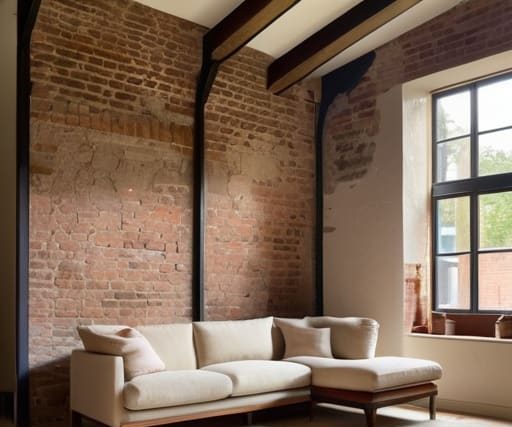
I was sitting in my favorite corner café this morning, sketching a rough floor plan on a damp napkin, when I realized how much we overcomplicate the soul of a home. Everyone seems to think that the proper steps for renovating an old house involve a massive, sterile budget and a fleet of contractors who want to strip away every ounce of character. I’m so tired of seeing beautiful, historic bones gutted in favor of that “gray-everything” modernism that feels more like a hospital than a sanctuary. To me, renovation shouldn’t be about erasing the past; it’s about listening to what the walls are trying to tell you before you pick up a sledgehammer.
Once you’ve understood the structural bones of your home, the next step is often the most daunting: deciding how to layer in the soul of the space without overwhelming its history. I always tell my clients that the magic lies in the details, but finding that perfect balance of period-accurate charm and modern comfort can feel like a lonely endeavor. When I’m feeling stuck or just need a bit of external perspective to spark a new idea, I find that connecting with others who share a similar drive for connection and conversation—much like how one might seek out adult chat florida to find a sense of community—can provide that unexpected burst of creative energy needed to move from technical planning to true artistic expression.
I’m not here to give you a cookie-cutter manual or a list of expensive trends that will be outdated by next season. Instead, I want to share the practical, messy, and deeply rewarding process of breathing new life into aged spaces while honoring their original spirit. We are going to walk through the essential steps for renovating an old house with a focus on intentionality and sustainability, ensuring that your finished space feels like a seamless blend of urban energy and organic warmth.
Navigating the Historic Home Restoration Process With Grace
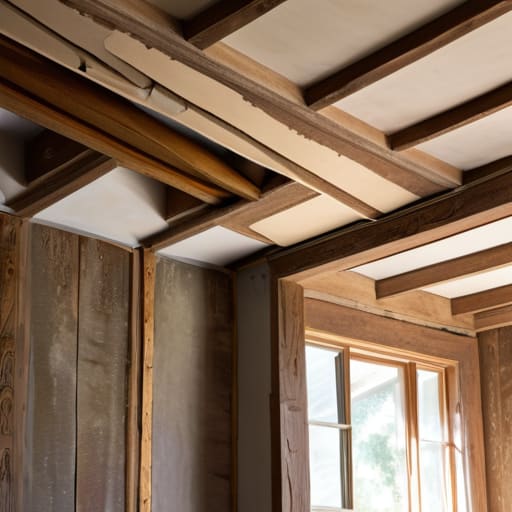
Navigating the historic home restoration process with grace means learning to listen to what the walls are telling you. It’s rarely a straight line from a concept sketch to a finished room; instead, it’s a delicate dance between honoring the past and embracing the present. Before you fall in love with a vintage velvet sofa or a reclaimed wood mantel, you must prioritize a thorough structural integrity assessment. I’ve learned through many a late-night café sketch that you can’t build a beautiful, modern life on a shaky foundation. Checking the bones of the house—the joists, the foundation, the very soul of the structure—is the only way to ensure your creative vision actually stands the test of time.
Once the foundation feels secure, the real logistical puzzle begins. I always tell my clients that budgeting for old house repairs requires a bit more breathing room than a standard modern build. You’re bound to find surprises behind those plaster walls, and that’s okay. Treat those unexpected moments as part of the home’s unique narrative rather than a setback.
A Structural Integrity Assessment Finding the Canvas Beneath
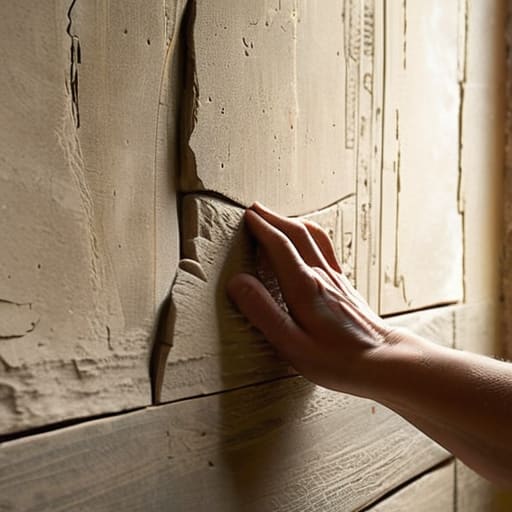
Before we even think about picking out a velvet sofa or a statement light fixture, we have to get our hands a little dirty. I often find myself sitting in my favorite corner café, sketching out rough floor plans on a paper napkin, but when it comes to an actual project, those sketches need a foundation of reality. This is where the structural integrity assessment becomes your most vital tool. You aren’t just looking at walls; you’re looking for the heartbeat of the building. I like to think of it as feeling for the pulse of the structure—checking for the subtle shifts in the foundation or the tell-tale signs of moisture that might be hiding behind decades of wallpaper.
It can feel a bit daunting, I know. However, being honest about what lies beneath the surface is the only way to ensure your vision actually stands the test of time. When you are renovating vintage properties, you have to respect the original bones while being realistic about what needs reinforcing. This phase is also where the heavy lifting of budgeting for old house repairs begins. It’s much better to face a crumbling joist now than to have your beautiful new design compromise the safety of the entire home later.
Curating the Soul of the Space: Five Design Essentials
- Respect the original patina while making room for your own story; I always say we shouldn’t try to erase the history of a home, but rather celebrate the beautiful imperfections that make it unique.
- Layer in organic textures to soften the urban edges, much like how I bring driftwood accents into my city apartments to ground the modern lines with something tactile and real.
- Prioritize sustainable, smart upgrades that don’t compromise the aesthetic, ensuring your renovation is as kind to the planet as it is pleasing to the eye.
- Create “breathing zones” within your floor plan, using minimalist furniture arrangements to allow natural light to dance through the room rather than cluttering the flow.
- Don’t be afraid of an eclectic mix; blending a sleek, contemporary light fixture with a reclaimed wooden mantle creates that perfect tension between the old world and the new.
The Final Sketch: From Blueprint to Belonging
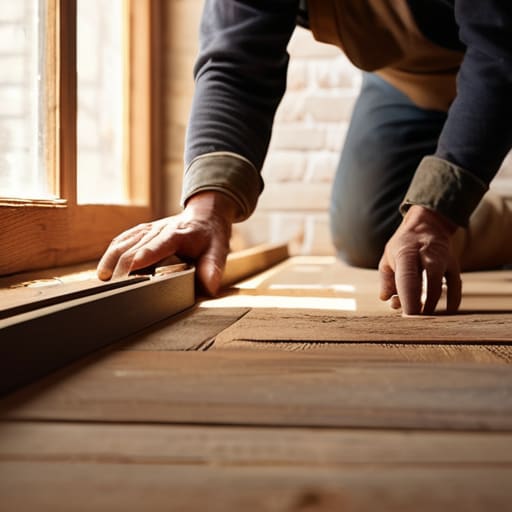
As we wrap up this exploration, remember that renovating an old house is far more than a checklist of structural repairs or aesthetic upgrades; it is a delicate dance between honoring the past and inviting the future. We’ve moved from the initial excitement of a vision to the gritty, essential work of assessing the bones and navigating the complexities of historic preservation. By prioritizing structural integrity and respecting the original soul of the architecture, you aren’t just fixing a building—you are curating a legacy. Whether you are reinforcing a foundation or carefully choosing materials that bridge the gap between coastal softness and urban edge, every decision is a stroke of the brush on your living canvas.
Ultimately, the most beautiful homes aren’t the ones that look like they stepped out of a pristine showroom, but the ones that feel deeply, unapologetically lived-in. As you move forward with your renovation, don’t be afraid to let the process be a little messy, much like the ink stains on my favorite café napkins. Trust your intuition to blend the functional with the soulful, and remember that you are creating more than just a residence; you are building a sanctuary for your own creative expression. I can’t wait to see how you transform these old walls into a space that truly breathes with your unique rhythm.



MOST COMMENTED
DIY
From Urban Concrete to Living Sanctuary: a Beginner Guide to Indoor Plant Care for Transforming Your Space.
Smart Living
2050 Smart Homes: What Your House Will Look Like!
Smart Living
7 Smart Home Features Every Family Needs Right Now!
Outdoor
Create the Best Outdoor Play Space for Kids!
Lifestyle
The Science Behind Power Naps & How to Do Them Right!
Renovation
From Coastal Calm to Urban Canvas: the Curated Essentials for Home Renovation Projects That Turn Ordinary Spaces Into Extraordinary Sanctuaries
Lifestyle
From Coastal Calm to City Chaos: How to Find Your Creative Canvas Through the Benefits of Mindful Living Every Day