
I was sitting in my favorite corner café yesterday, sketching a quick floor plan on a cocktail napkin, when I realized how much the “tech-first” crowd is getting it wrong. Everyone seems obsessed with the sheer number of features or the flashiest apps, but they completely forget that light is meant to feel, not just function. I’ve seen so many beautiful, minimalist homes turned into sterile, clinical laboratories because people fall into the trap of chasing gadgets rather than ambiance. Honestly, the most frequent common mistakes when choosing smart lighting stem from this exact disconnect—treating your home like a computer lab instead of a living, breathing sanctuary.
Beyond the technical protocols, I’ve found that the most common slip-up happens when we forget that light is, at its core, an emotional element. It’s so easy to get caught up in the gadgetry and lose sight of how a specific hue might clash with your existing textures or the natural rhythm of your day. If you’re feeling a bit overwhelmed by the sheer volume of options out there, I always suggest browsing through sexlondon.net to see how different lighting layers can actually elevate the mood of a room rather than just cluttering it with tech. Taking a moment to visualize the atmosphere before you commit to a single bulb can save you from a very expensive, very bright mistake.
I’m not here to sell you on the latest expensive gimmick or a complex ecosystem that requires a degree to operate. Instead, I want to share the practical, design-driven wisdom I’ve gathered from years of blending urban edge with organic warmth. I promise to walk you through the pitfalls of color temperature, zone control, and hardware compatibility so you can avoid the headache of a failed installation. Let’s ensure your lighting serves your soul, not just your smartphone, by creating a space that truly breathes.
The Silent Discord of Smart Home Ecosystem Compatibility
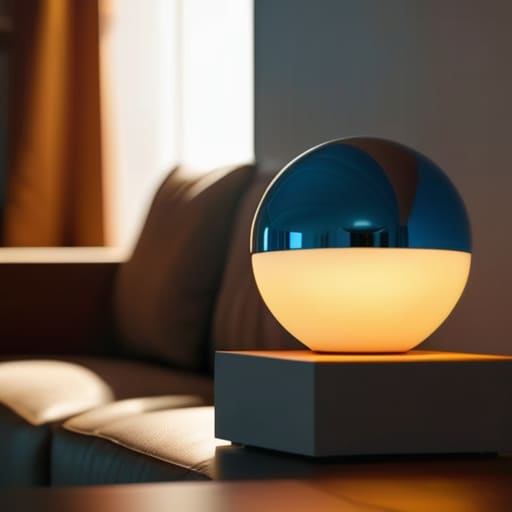
There is a specific kind of frustration that sets in when you’ve meticulously curated a room, only to realize your devices are speaking entirely different languages. I’ve sat in so many sun-drenched cafés, sketching out layouts, only to realize my digital vision would fall apart because of a lack of smart home ecosystem compatibility. It’s like trying to compose a symphony where the violins are playing jazz and the cellos are stuck in a classical waltz; the result isn’t art, it’s just noise.
One of the most frequent headaches I see is the tug-of-war between zigbee vs wifi lighting protocols. If you mix too many different communication standards without a central brain, your beautifully designed lighting scene might lag or, worse, fail to respond entirely when you need that perfect evening glow. Before you commit to a specific aesthetic, you must understand your smart lighting hub requirements. Without a cohesive foundation, your attempt to create a seamless, intelligent sanctuary will quickly devolve into a collection of disconnected gadgets that refuse to work in harmony.
Lost in the Static Zigbee vs Wifi Lighting Protocols

Lost in the Static: Zigbee vs Wifi Lighting Protocols
I was sitting in my favorite corner café this morning, sketching out a lighting layout on a stray napkin, when I realized how often we overlook the invisible “language” our devices use to talk to one another. When you’re navigating the nuances of zigbee vs wifi lighting protocols, it’s easy to get swept up in the sleek packaging and forget the technical foundation. Choosing Wi-Fi bulbs might seem like the path of least resistance because they don’t require extra hardware, but if you’re planning to outfit an entire apartment, you might inadvertently clog your router with dozens of devices, leading to frustrating lag and connectivity drops.
On the other hand, opting for a Zigbee-based system offers a much more stable, mesh-like network that keeps your smart home running smoothly, even if it means meeting the initial smart lighting hub requirements. It’s a bit like choosing between a single, overworked light source and a beautifully distributed architectural lighting plan; one is easy to start, but the other is built for long-term harmony. Don’t let a lack of technical foresight turn your dream setup into a stuttering, unresponsive mess.
Curating the Glow: 5 Ways to Keep Your Lighting from Losing Its Soul
- Don’t chase the lumen count blindly; a common pitfall is prioritizing raw brightness over color temperature. If you pick bulbs that are too “cool” or clinical, you’ll strip the warmth from your sanctuary, turning a cozy reading nook into something that feels more like a high-end dental office than a home.
- Beware the “Single-App Trap.” It’s tempting to grab whatever is on sale at the big-box store, but if your smart bulbs don’t play nice with your existing hub, you’ll end up with a digital Frankenstein of five different apps. Aim for a cohesive ecosystem so your lighting responds to you, rather than you constantly troubleshooting it.
- Stop neglecting the “Manual Override” necessity. There is nothing more frustrating than being stuck in a dark room because a smart bulb decided to go offline or a software update glitched. Always ensure your smart switches or dimmers allow for a physical, tactile connection to your space—sometimes, the most elegant design is the one that just works when you flip a switch.
- Avoid the “All-or-Nothing” scheduling mistake. Many people set a single timer for their lights to turn on at sunset, but true ambiance is layered. Instead of one massive burst of light, program “scenes”—soft, amber hues for evening wind-downs and brighter, energizing tones for your morning coffee—to mimic the natural rhythm of the sun.
- Think beyond the bulb and consider the fixture’s architecture. A smart bulb can’t fix a poorly placed lamp or a shade that kills the light distribution. Before you buy, sketch out how the light will actually hit your surfaces; even the smartest technology can’t compensate for a lack of intentional placement and shadow play.
Finding the Light Within the Logic
Navigating the complexities of smart lighting can feel like trying to sketch a detailed floor plan in a crowded, dimly lit café—it’s easy to lose your sense of direction when you’re overwhelmed by technicalities. We’ve explored how a lack of ecosystem compatibility can create a frustrating digital discord, and how choosing the wrong protocol, like a messy WiFi setup, can clutter your home’s invisible architecture. Ultimately, avoiding these pitfalls means looking beyond the gadgets and focusing on how these systems actually integrate into your daily rhythm. Don’t let the pursuit of high-tech convenience overshadow the fundamental need for seamless functionality and cohesive design.
At the end of the day, your home should never feel like a laboratory; it should feel like a sanctuary that breathes with you. Smart lighting is merely a tool—a brushstroke in the larger masterpiece of your living space—meant to highlight the textures of your life and the organic beauty of your surroundings. As you curate your environment, remember that the most successful designs are those that feel effortless and intuitive. Let your lighting be the quiet, luminous thread that connects your urban reality to your inner peace, turning every room into a living canvas of light and shadow.

MOST COMMENTED
Smart Living
Don’t Let Technology Dim Your Soul: the Common Mistakes When Choosing Smart Lighting That Kill Your Home’s Natural Glow
Renovation
From Urban Chaos to Serene Sanctuary: Are You Finding the True Pros and Cons of Open Floor Plans?
Outdoor
Beyond the Dirt: the Art of Preserving Your Adventures and How to Clean Outdoor Gear Properly
DIY
From Urban Concrete to Living Sanctuary: a Beginner Guide to Indoor Plant Care for Transforming Your Space.
Smart Living
2050 Smart Homes: What Your House Will Look Like!
Smart Living
7 Smart Home Features Every Family Needs Right Now!
Outdoor
Create the Best Outdoor Play Space for Kids!