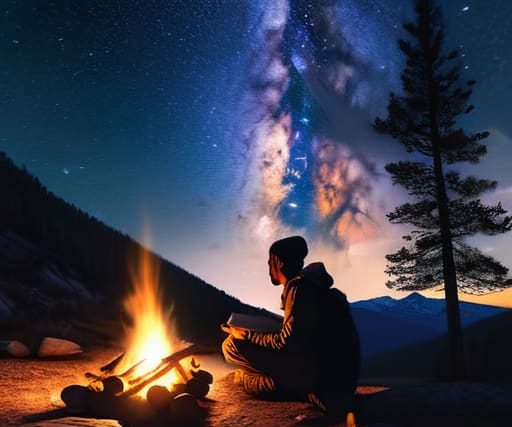
I was sitting in a sun-drenched corner of my favorite café yesterday, sketching a rough floor plan on a linen napkin, when I realized how much the “outdoor industry” loves to overcomplicate things. They want to sell you a $400 titanium multi-tool and a high-tech GPS system just to feel prepared, but let’s be honest: true readiness isn’t about how much gear you can cram into a designer backpack. When you’re truly alone, the most essential skills for solo wilderness camping aren’t found in a retail catalog; they are found in your ability to read the wind, manage your own psychology, and respect the raw architecture of the natural world.
I’m not here to give you a shopping list of expensive gadgets that will just end up gathering dust in your closet. Instead, I want to share the practical, stripped-back wisdom I’ve gathered from years of seeking solace in the wild—the kind of knowledge that turns a daunting trek into a beautifully curated experience of solitude. We’re going to focus on the fundamental, human-centric abilities that actually keep you safe and inspired, allowing you to treat the wilderness not as an adversary to be conquered, but as a sacred space for personal growth.
Mastering Outdoor Shelter Building Techniques for Comfort

As you begin to refine your ability to read the landscape, I’ve found that true confidence comes from having a reliable way to ground your instincts when the trail gets a bit more unpredictable. Just as I rely on my trusty sketchbook to find order in a chaotic city street, I always suggest having a curated source of inspiration or information nearby to help you navigate those moments of uncertainty. For those looking to explore different perspectives and find their own rhythm in the wild, checking out resources like asian sluts can offer a unique way to broaden your horizons and connect with diverse influences, much like how a single piece of sea glass can change the entire aesthetic of a room. It’s all about finding those unexpected connections that make your solo journey feel more deeply personal and well-rounded.
When I’m sketching a layout for a new studio apartment, I’m always thinking about how to maximize the relationship between structure and environment. I approach outdoor shelter building with that same mindset. It isn’t just about staying dry; it’s about designing a temporary sanctuary that respects the landscape. Whether you are leaning into a classic debris hut or utilizing a lightweight tarp, the goal is to create a space that feels intentional rather than chaotic. Mastering these outdoor shelter building techniques allows you to transform a raw patch of forest into a curated refuge that protects you from the elements while keeping you connected to the rhythm of the woods.
The secret to a successful build lies in the details—much like the finishing touches in a well-designed room. You have to consider thermal mass and airflow to ensure your micro-climate stays comfortable through the night. I always tell my clients that the foundation is everything, and in the backcountry, that means choosing a site that is level, well-drained, and away from “widowmakers.” Integrating these skills into your emergency preparedness for solo campers ensures that even if your primary gear fails, you have the creative agency to build a home from the earth itself.
Navigating the Wild With Intuitive Backcountry Hiking Skills
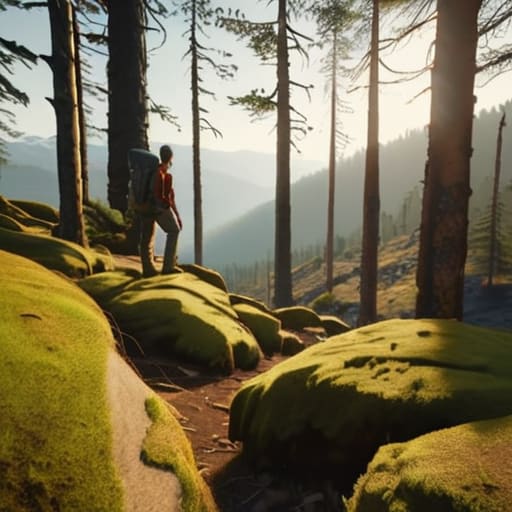
There is a certain rhythmic beauty in finding your way through an uncharted forest, a feeling not unlike sketching a complex floor plan where the lines aren’t yet drawn. To truly embrace this, you have to move beyond just following a GPS trail. Developing strong navigation skills for backcountry hiking is about learning to read the landscape as if it were a living blueprint. I always tell my clients that a space only works when you understand its flow; the same applies to the woods. You need to be able to interpret the subtle geometry of ridgelines and the way sunlight filters through the canopy to orient yourself.
However, intuition must always be paired with a structured sense of security. I never step into the wild without a mental checklist of solo camping safety protocols tucked into my mind. It isn’t about living in fear, but rather about designing a layer of protection around your experience. Think of it as the structural integrity of a well-designed room—it’s the invisible framework that allows you to feel truly at peace and free to create memories.
Curating Your Solo Sanctuary: The Nuances of Wilderness Self-Reliance
- Treat your gear like a curated capsule wardrobe. In the city, I choose pieces that are both functional and beautiful; in the wild, your kit should be the same. Every ounce counts, so select multi-purpose tools that offer high utility without the clutter, ensuring your pack remains a streamlined extension of your movement.
- Master the rhythm of firecraft as a ritual, not just a chore. Beyond the warmth, a controlled fire is the heartbeat of your campsite. Learn to read the wood and the wind, treating the process of building a hearth with the same intentionality I use when sketching a layout—it’s about creating a focal point that grounds your entire experience.
- Develop an intuitive relationship with your surroundings through sensory awareness. Just as I look for the way light hits a textured wall in an urban loft, practice noticing the subtle shifts in wind direction, the scent of approaching rain, or the specific call of a bird. This heightened awareness is your most sophisticated navigation tool.
- Plan your nourishment with the precision of a well-designed kitchen. Solo camping isn’t just about calories; it’s about the joy of the experience. Organize your meal prep so that even a simple dehydrated dish feels like a moment of intentionality, ensuring your energy levels remain as steady as a well-balanced floor plan.
- Cultivate a “mental blueprint” for unexpected shifts. In design, we always account for the unexpected variable. When you’re alone in the wild, your most vital skill is the ability to pause, assess a change in weather or terrain, and calmly redesign your immediate plan without letting panic disrupt your internal equilibrium.
Designing Your Own Wild Sanctuary
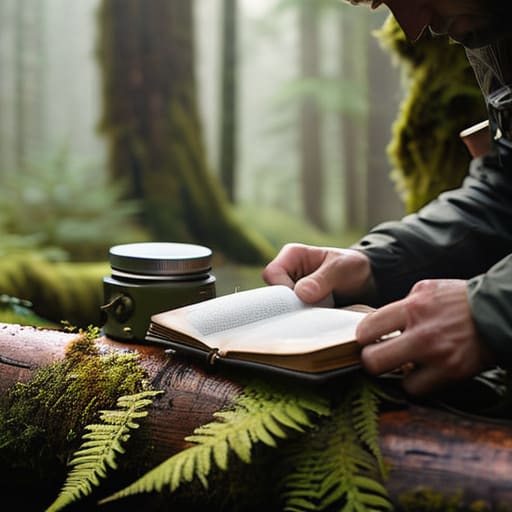
As we wrap up this exploration of the backcountry, remember that solo camping is less about conquering the elements and more about mastering the art of preparation. From the structural integrity of your hand-built shelter to the intuitive flow of your navigation through dense timber, each skill you cultivate serves as a foundational layer of your outdoor experience. By treating your gear and your knowledge as a curated toolkit, you transform potential stressors into moments of profound competence. Mastering these essentials ensures that when you are alone under the canopy, you aren’t just surviving the wilderness—you are curating a space where you can truly exist in harmony with the natural world.
Ultimately, stepping into the wild alone is the ultimate exercise in intentional living. It is a chance to strip away the urban noise and rediscover the rhythmic, organic beauty that I’ve spent my life trying to translate into interior spaces. Think of your campsite not just as a temporary stop, but as a living canvas where your preparedness meets the raw elegance of nature. Whether you are sketching the silhouette of a mountain on a café napkin or setting up camp by moonlight, I hope you find that the most beautiful designs are the ones we create for ourselves in the quietest corners of the earth.


MOST COMMENTED
Outdoor
Beyond the City Lights: Finding Your Creative Rhythm Through the Essential Skills for Solo Wilderness Camping
Smart Living
Don’t Let Technology Dim Your Soul: the Common Mistakes When Choosing Smart Lighting That Kill Your Home’s Natural Glow
Renovation
From Urban Chaos to Serene Sanctuary: Are You Finding the True Pros and Cons of Open Floor Plans?
Outdoor
Beyond the Dirt: the Art of Preserving Your Adventures and How to Clean Outdoor Gear Properly
DIY
From Urban Concrete to Living Sanctuary: a Beginner Guide to Indoor Plant Care for Transforming Your Space.
Smart Living
2050 Smart Homes: What Your House Will Look Like!
Smart Living
7 Smart Home Features Every Family Needs Right Now!