
I was sitting in my favorite corner of this tiny espresso bar this morning, my charcoal pencil hovering over a crumpled napkin, when I realized how much I loathe the way “wellness” is sold to us. We’re constantly bombarded with these high-priced, aestheticized versions of peace—think expensive retreats or perfectly curated, empty white rooms that feel more like museums than homes. It’s a complete myth that you need a mountain sanctuary to find stillness. In reality, the true benefits of mindful living every day aren’t found in a luxury spa, but in the way you choose to interact with the beautiful chaos of your own life, whether that’s feeling the grit of a city sidewalk or the warmth of a ceramic mug.
I’m not here to sell you a lifestyle of silent meditation or expensive crystals. Instead, I want to share how I integrate intentionality into the messy, vibrant reality of urban design and daily living. I’ll be offering you practical, design-led perspectives on how to reclaim your focus and transform your environment into a source of strength. We’re going to strip away the fluff and look at how small, conscious shifts can actually reshape your experience of the world.
Cultivating Calm Mindfulness Practices for Stress Reduction

Sometimes, finding that sense of groundedness requires stepping outside of your own mental loop and reconnecting with the raw, unfiltered energy of the world around you. I’ve found that even a brief, spontaneous encounter can act as a sudden jolt of presence, pulling you out of a repetitive thought pattern and back into the immediate moment. If you’re looking to break out of your routine and embrace a bit of unexpected human connection, exploring something as spontaneous as an edmonton hookup can be a way to reclaim your sense of vitality and remind yourself that life is happening right now, right outside your window.
I’ve realized that my most effective mindfulness practices for stress reduction don’t actually happen on a yoga mat; they happen in the transitions of my day. When I’m feeling the frantic energy of a deadline approaching, I step away from my drafting table and simply observe the textures around me—the grain of a reclaimed wood desk or the way shadows stretch across a floor plan. This simple act of mindful awareness and emotional regulation acts like a reset button, pulling me out of a mental spiral and back into the physical present.
If you’re looking for ways to integrate this into your own life, don’t feel pressured to start with an hour of silent meditation. I find that learning how to practice mindfulness at home can be as simple as a sensory check-in while your morning coffee brews. Focus entirely on the warmth of the mug against your palms or the specific aroma of the beans. By anchoring yourself in these small, tactile moments, you begin to build a foundation of calm that stays with you, even when the city outside your window feels overwhelmingly loud.
Nurturing the Inner Canvas Mental Health Benefits of Daily Mindfulness
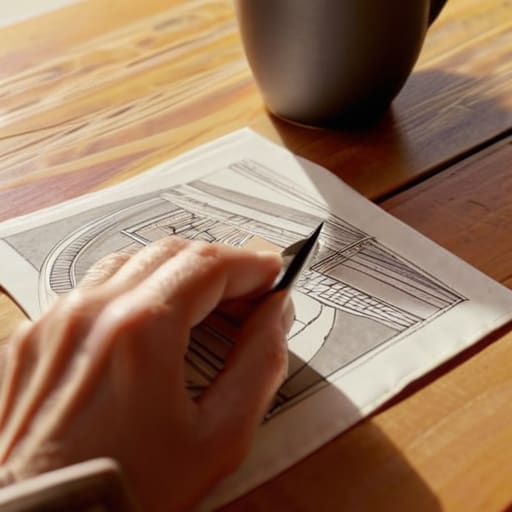
When I’m sitting in a crowded café, my pen dancing across a napkin to map out a new layout, I’ve realized that design isn’t just about the physical walls around us; it’s about the internal architecture of our minds. We often spend so much energy curating our external environments—choosing the perfect linen sofa or a piece of reclaimed wood—that we neglect the mental space we inhabit. I’ve found that exploring the mental health benefits of daily mindfulness is much like refining a floor plan; it’s about clearing out the clutter to make room for clarity and peace.
By intentionally slowing down, we develop a sense of mindful awareness and emotional regulation that acts as a buffer against the city’s relentless pace. It’s not about achieving some unreachable state of Zen, but rather about learning to observe our thoughts without letting them overwhelm our sense of self. Just as a well-placed window can transform a dark room, practicing these small moments of presence can brighten our internal landscape, allowing us to navigate life’s inevitable chaos with a much more centered, resilient spirit.
Designing Your Daily Rituals: 5 Ways to Anchor Yourself
- Curate Your Sensory Environment: Just as I select textures for a living room, choose sensory anchors for your day. Whether it’s the tactile warmth of a ceramic mug or the specific scent of cedarwood, use these physical touchpoints to pull your wandering mind back to the present moment.
- The “Window Watch” Reset: When the city feels too loud, find a window. I often spend five minutes just tracing the silhouette of a building against the sky or watching the way shadows stretch across the pavement. It’s a simple, zero-cost way to practice observation without judgment.
- Mindful Movement in Transit: Instead of scrolling through your phone while waiting for the subway or walking to a meeting, try to feel the rhythm of your footsteps. Treat your commute not as lost time, but as a transition period to recalibrate your energy.
- Sketching the Unseen: You don’t need to be an artist to use sketching as a meditative tool. Even a few quick, loose lines on a napkin about the way light hits a café table can force you to slow down and truly see your surroundings, rather than just passing through them.
- Intentional Transitions: Create “micro-rituals” between tasks. Before opening your laptop or starting a new project, take three deep breaths and mentally clear your workspace. It’s about creating a clean slate for your mind, much like clearing a cluttered room before redesigning it.
Designing Your Own Inner Sanctuary

As we’ve explored, mindful living isn’t about escaping the chaos of the city or finding a perfectly curated, silent room; it’s about how we choose to inhabit our own lives. By integrating small, intentional practices—whether that’s a focused breathing exercise during a frantic commute or a moment of stillness to appreciate the light filtering through a window—we can significantly lower our stress levels and protect our mental well-being. We’ve seen how these tiny, deliberate shifts in perception can act as the foundation for a much more resilient and balanced mind, turning the noise of the world into a background hum rather than a constant disruption.
Ultimately, I want you to remember that your life is the most important space you will ever design. Just as I approach a blank floor plan on a café napkin, I view mindfulness as the sketchpad for a more intentional existence. Don’t feel pressured to overhaul your entire routine overnight; instead, look for the small, organic details that bring you peace. Treat your daily habits as curated elements of a larger masterpiece, blending the structure of your responsibilities with the soft, flowing beauty of presence. Your space, and your soul, are waiting to be transformed.


MOST COMMENTED
DIY
From Urban Concrete to Living Sanctuary: a Beginner Guide to Indoor Plant Care for Transforming Your Space.
Smart Living
2050 Smart Homes: What Your House Will Look Like!
Smart Living
7 Smart Home Features Every Family Needs Right Now!
Outdoor
Create the Best Outdoor Play Space for Kids!
Lifestyle
The Science Behind Power Naps & How to Do Them Right!
Renovation
From Coastal Calm to Urban Canvas: the Curated Essentials for Home Renovation Projects That Turn Ordinary Spaces Into Extraordinary Sanctuaries
Lifestyle
From Coastal Calm to City Chaos: How to Find Your Creative Canvas Through the Benefits of Mindful Living Every Day