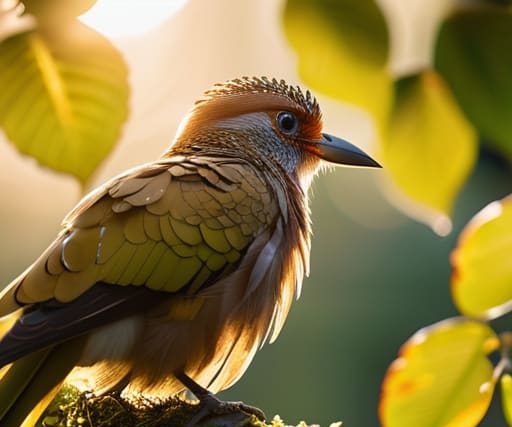
I was sitting at my favorite corner café last Tuesday, sketching a rough floor plan on a paper napkin, when a sudden flash of cobalt blue darted between the steel beams of the skyscraper across the street. It hit me then how much we overcomplicate the simple joy of connection. Most people think you need a thousand-dollar lens or a trip to a remote forest to actually see something, but honestly, those expensive myths are just barriers to entry. If you’re hunting for tips for successful bird watching that don’t involve a massive gear budget or a mountain trek, you’re looking in the wrong places. It isn’t about the equipment; it’s about learning to see the rhythm of the life moving through our concrete canyons.
I’m not here to give you a textbook lecture or a list of overly technical jargon. Instead, I want to share the practical, experience-based insights I’ve gathered from years of finding nature in the most unexpected urban pockets. We’re going to focus on how to tune your senses to the city’s pulse and how to spot those fleeting moments of magic without the unnecessary hype. Let’s strip away the pretension and get back to the pure, creative wonder of it all.
Mastering the Tools Essential Bird Watching Gear and Binocular Artistry
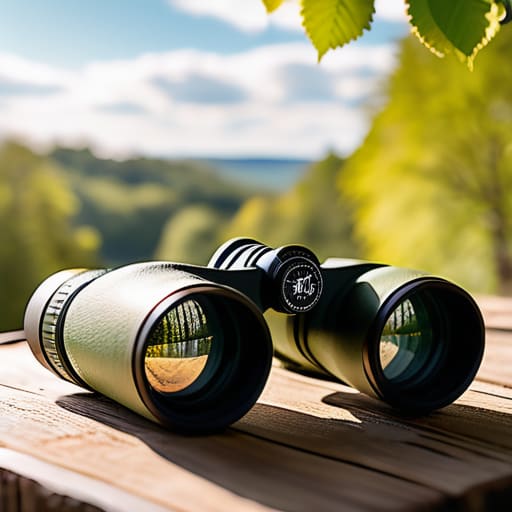
I’ve always believed that the right tools shouldn’t just serve a function; they should feel like an extension of your own senses. When I’m sitting in a corner café, sketching the way light hits a skyscraper, I’m constantly thinking about how we perceive our surroundings. The same goes for birding. You don’t need a heavy, professional-grade kit to start, but investing in some essential bird watching gear—specifically a lightweight pair of binoculars—can fundamentally change your relationship with the skyline. Learning how to use binoculars for birds is much like learning to frame a photograph; it’s about finding that perfect balance between stability and focus to catch a fleeting movement in a canopy of trees.
Once you have your eyes on the prize, the real artistry lies in the subtlety of your approach. I often find that the most rewarding moments happen when I’m blending into the urban landscape rather than disrupting it. This is where understanding bird watching etiquette and ethics becomes vital. It’s about being a silent observer, ensuring our presence doesn’t turn a peaceful moment into a stressful one for the creatures we’re admiring. It’s a delicate dance of presence and invisibility.
Finding the Rhythm Best Times for Bird Spotting and Discovery
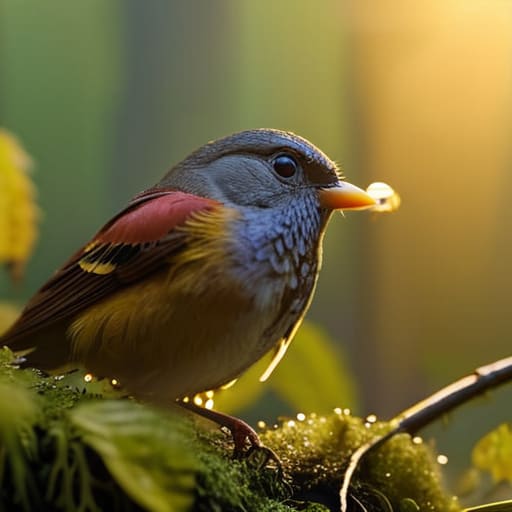
There is a specific kind of magic that happens when the city begins to stir, right before the sun fully claims the skyline. I’ve found that the best times for bird spotting almost always align with these transitional hours—the soft, golden light of dawn or the quiet, blue hush of twilight. During these windows, the air feels different, and the birds are at their most active, moving through the canopy with a purposeful energy that mirrors the morning rush of the streets below.
If you’re looking to truly connect with these feathered neighbors, I suggest seeking out diverse birding habitats and environments, from the manicured edges of a rooftop garden to the wilder, untamed pockets of a local park. Observing how they navigate these spaces teaches you a lot about the rhythm of the urban ecosystem. It’s not just about seeing them; it’s about learning their patterns. When you align your curiosity with their natural cycles, you stop being a mere spectator and start feeling like a part of the landscape itself.
The Art of Observation: Blending Patience with Presence
- Embrace the stillness of the landscape. Just as I wait for the perfect light to hit a building facade before I start sketching, you have to learn to sit quietly. Movement is the enemy of discovery; let the birds adjust to your presence until you become just another part of the scenery.
- Curate your palette with camouflage. In my design work, I use textures to help objects blend into their surroundings, and the same applies here. Ditch the bright, synthetic colors for earthy tones—moss greens, slate greys, or sand neutrals—that won’t scream for attention against the urban or woodland backdrop.
- Listen for the architectural nuances of song. Don’t just look; listen to the “structure” of the sound. Every species has its own rhythmic signature, much like the difference between a sleek glass skyscraper and a weathered brick townhouse. Learning these auditory patterns is often faster than spotting a silhouette.
- Map your surroundings like a floor plan. Before you dive in, take a moment to observe the “flow” of the area. Where are the water sources? Where are the dense thickets for cover? Understanding the layout of the habitat allows you to predict where a bird might nest or seek refuge, much like understanding how people move through a well-designed room.
- Keep a visual diary of your sightings. I find that sketching a quick outline of a bird’s shape or noting the specific shade of its plumage helps me remember the details far better than a simple checklist. Whether it’s in a dedicated journal or a quick doodle on a café napkin, documenting your finds turns a hobby into a personal collection of living art.
The Art of Noticing
As you step out from behind your sketchbook and into the field, remember that successful bird watching isn’t just about having the most expensive lenses or knowing every scientific name by heart. It’s about the synergy between your preparation and your presence. By mastering your gear, timing your excursions to catch those golden hours of dawn and dusk, and learning to read the subtle shifts in the environment, you turn a simple walk into a curated sensory experience. Whether you are scanning a dense city park or a quiet coastal thicket, the goal is to move from mere observation to a state of intentional connection with the living world around you.
Ultimately, I’ve found that the most profound design isn’t found in a showroom, but in the way a sparrow navigates a concrete ledge or how light filters through a canopy of leaves. Bird watching teaches us to slow down and appreciate the intricate, organic rhythms that exist even in our most frantic urban landscapes. I hope these tips encourage you to look up from the pavement and see the sky as a living, breathing masterpiece. Let every sighting be a reminder that even in the heart of the rush, there is always room for wonder if we only take the time to look.
While I’m usually more focused on the structural lines of a building or the way light hits a textured wall, I’ve found that the most rewarding urban observations often happen when you step away from the structured paths and dive into the unscripted energy of a new environment. Sometimes, finding that perfect vantage point requires a bit of local intuition, much like knowing exactly where to find the best hidden gems or even navigating the more spirited social las vegas hookups when you’re exploring a city that never sleeps. It’s all about that spontaneous connection to your surroundings, whether you’re tracking a hawk circling a skyscraper or simply soaking in the pulse of the street below.



MOST COMMENTED
DIY
From Urban Concrete to Living Sanctuary: a Beginner Guide to Indoor Plant Care for Transforming Your Space.
Smart Living
2050 Smart Homes: What Your House Will Look Like!
Smart Living
7 Smart Home Features Every Family Needs Right Now!
Outdoor
Create the Best Outdoor Play Space for Kids!
Lifestyle
The Science Behind Power Naps & How to Do Them Right!
Renovation
From Coastal Calm to Urban Canvas: the Curated Essentials for Home Renovation Projects That Turn Ordinary Spaces Into Extraordinary Sanctuaries
Outdoor
From Concrete to Canopy: How to Identify Edible Wild Plants and Weave Nature’s Hidden Bounty Into Your Urban Life