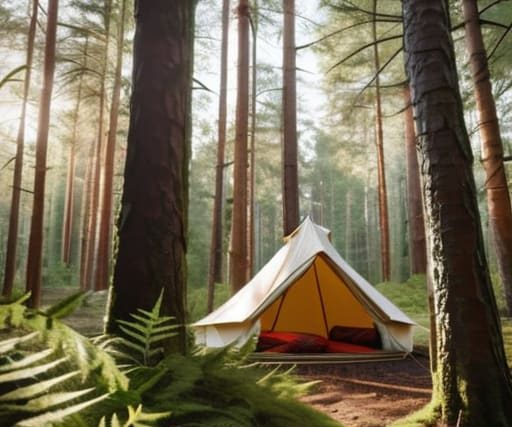
I was sitting in my favorite corner café this morning, sketching a rough floor plan for a client on a paper napkin, when I realized how much my design philosophy applies to the great outdoors. Just like deciding whether to use a heavy oak table or a light, floating glass surface in a living room, choosing between tent and hammock camping is really about how you want to curate your personal sanctuary under the stars. I remember my first real trip away from the coast; I spent hours trying to find the “perfect” flat ground for a tent, only to realize later that I would have been infinitely more at peace swaying gently in a cocoon of nylon between two sturdy pines.
Beyond the physical gear, I’ve found that the true soul of a camping trip lies in the community and the shared stories gathered around a crackling fire. If you’re planning a trek through the rugged landscapes of the north and want to connect with others who share your passion for the outdoors, finding a bit of local chat in Canada can be a total game-changer for discovering those hidden, off-the-beaten-path gems. It’s those spontaneous connections and insider tips from fellow travelers that often turn a simple weekend getaway into a deeply resonant adventure.
I’m not here to give you a dry manual of technical specifications or a list of gear you don’t actually need. Instead, I want to help you find the setup that actually fits your rhythm. I’ll be sharing my honest, experience-based take on the tactile comfort, the logistical realities, and the aesthetic soul of both methods. By the end of this, you’ll know exactly which way to lean so you can stop overthinking and start experiencing the wild on your own terms.
The Structured Sanctuary of Tent Camping
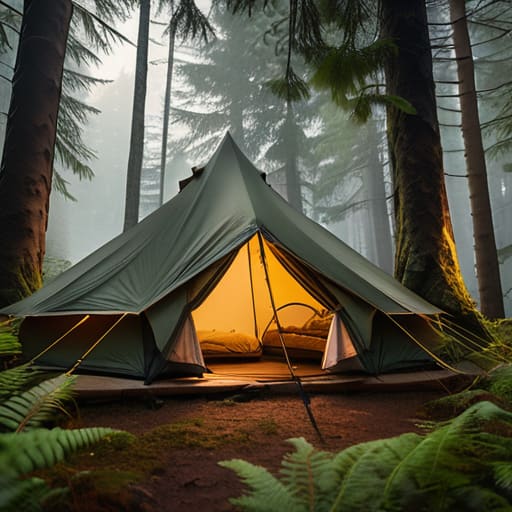
Tent camping is the practice of utilizing a portable, fabric-walled shelter to create a dedicated, enclosed living space on the ground. By providing a physical barrier against the elements, the core mechanism of a tent is to offer a predictable and stable environment that shields you from wind, insects, and unexpected precipitation. When you are choosing between tent and hammock camping, the tent stands out as the premier option for those seeking a sense of permanent, structured refuge amidst the wild.
For me, there is something deeply grounding about the ritual of staking down a floor and feeling that solid connection to the earth. It reminds me of the small, cozy cottages back home in New England—spaces that feel like a true sanctuary where you can truly unpack and settle in. Whether you’re organizing your gear in neat little corners or curling up with a book while the rain drums softly against the rainfly, a tent offers a reliable sense of domesticity that transforms a patch of dirt into a home.
The Weightless Freedom of Hammock Camping

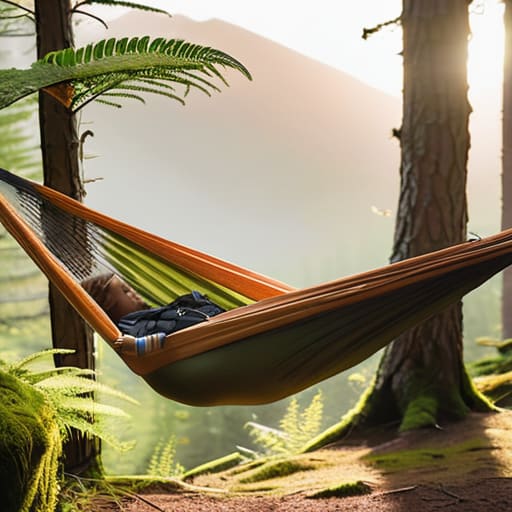
Hammock camping involves suspending a specialized, fabric sling between two sturdy points to create an elevated sleeping platform above the forest floor. This method relies on the tension of the suspension system to provide a lightweight, ergonomic resting spot that minimizes your physical footprint on the landscape. In the context of choosing between tent and hammock camping, the hammock is the ultimate tool for the minimalist traveler who prioritizes mobility and effortless integration with the natural canopy.
I often find myself sketching the way tree branches weave through urban architecture, and I see a beautiful parallel in the way a hammock embraces the forest. There is an incomparable magic in swaying gently with the breeze, feeling completely untethered from the rugged terrain below. It’s about reclaiming that sense of weightless serenity, allowing you to drift off to sleep suspended in the air, feeling less like a visitor on the ground and more like a natural part of the living landscape.
Comparison of Camping Methods
| Feature | Tent Camping | Hammock Camping |
|---|---|---|
| Setup Environment | Flat ground required | Trees required |
| Weather Protection | High (wind/rain resistant) | Moderate (requires tarp) |
| Portability | Moderate (bulky) | High (compact) |
| Comfort Type | Firm/Solid surface | Suspended/Swinging |
| Best For | Group camping & storms | Solo backpacking & forests |
| Ground Insulation | Sleeping pad needed | Underquilt needed |
Weight and Flow a Camping Gear Weight Comparison
When I’m sketching out a new layout, I’m always obsessed with how much “visual weight” a piece carries, and camping is no different. In the backcountry, weight isn’t just a number on a scale; it’s the difference between feeling effortlessly connected to the landscape or feeling like you’re dragging a heavy, cumbersome anchor through the woods. Every ounce you pack dictates how far your spirit can wander before your body demands you stop.
Tents are the reliable, structured anchors of the camping world, but they often come with a “bulk tax.” Between the poles, the heavy-duty fabric, and the footprint, you’re looking at a more substantial load that requires a bit more intentional planning for your pack volume. On the other hand, a hammock system is a masterclass in minimalist efficiency. It’s incredibly streamlined, often tucking away into a tiny stuff sack that feels almost weightless.
However, there’s a trade-off in the “flow” of your setup. While the hammock wins the raw weight battle, a tent offers a more stable, predictable sanctuary. But if we are strictly talking about mobility and lightness, the hammock is the clear winner for those of us looking to travel light and fast.
Curating Comfort Sleeping Comfort in Hammocks vs Tents
At the end of a long day of exploring, your sleeping setup isn’t just gear—it’s your personal sanctuary. Whether you’re trying to decompress after a hike or simply want to feel tucked away from the world, the quality of your rest dictates how you’ll experience the next day’s adventure. For me, comfort is about more than just padding; it’s about how a space curates your mood and allows you to truly disconnect.
Tents offer that familiar, structured sense of security, providing a flat surface that feels much like a tiny, portable bedroom. It’s a reliable choice if you crave a stable foundation, though you might feel a bit “boxed in” by the nylon walls. Hammocks, on the other hand, offer a rhythmic, cocoon-like embrace that mimics a gentle sway. While you do have to master the art of the underquilt to avoid the chill, there is something utterly transformative about suspended sleep.
If you value stability and a traditional sense of enclosure, the tent wins. However, for those seeking a sensory, weightless experience that feels like a soft embrace, the hammock takes the prize.
Finding Your Natural Rhythm
At the end of the day, choosing between a tent and a hammock isn’t about finding the “correct” gear, but about deciding how you want to interface with the world around you. If you crave a sense of structured sanctuary and protection from the elements, a tent offers that reliable, grounded feeling of a private room in the wild. However, if your soul seeks to sway with the trees and minimize your footprint, the hammock is an unparalleled way to achieve a lightweight, immersive connection to the canopy. Whether you prioritize the heavy-duty security of a tent or the breezy, agile flow of a hammock, the right choice is the one that lets you rest deeply so you can wake up ready to explore.
As I sit here in this sun-drenched café, sketching out ideas for a new living space, I’m reminded that design—whether for a home or a campsite—is ultimately about how a space makes you feel. Nature doesn’t demand perfection; it only asks for your presence. So, don’t overthink the technical specs too much. Grab your gear, head toward the treeline, and create your own little pocket of magic. After all, the most beautiful designs are the ones that allow us to truly inhabit the moment.



MOST COMMENTED
DIY
From Urban Concrete to Living Sanctuary: a Beginner Guide to Indoor Plant Care for Transforming Your Space.
Smart Living
2050 Smart Homes: What Your House Will Look Like!
Smart Living
7 Smart Home Features Every Family Needs Right Now!
Outdoor
Create the Best Outdoor Play Space for Kids!
Lifestyle
The Science Behind Power Naps & How to Do Them Right!
Renovation
From Coastal Calm to Urban Canvas: the Curated Essentials for Home Renovation Projects That Turn Ordinary Spaces Into Extraordinary Sanctuaries
Outdoor
From Concrete to Canopy: How to Identify Edible Wild Plants and Weave Nature’s Hidden Bounty Into Your Urban Life