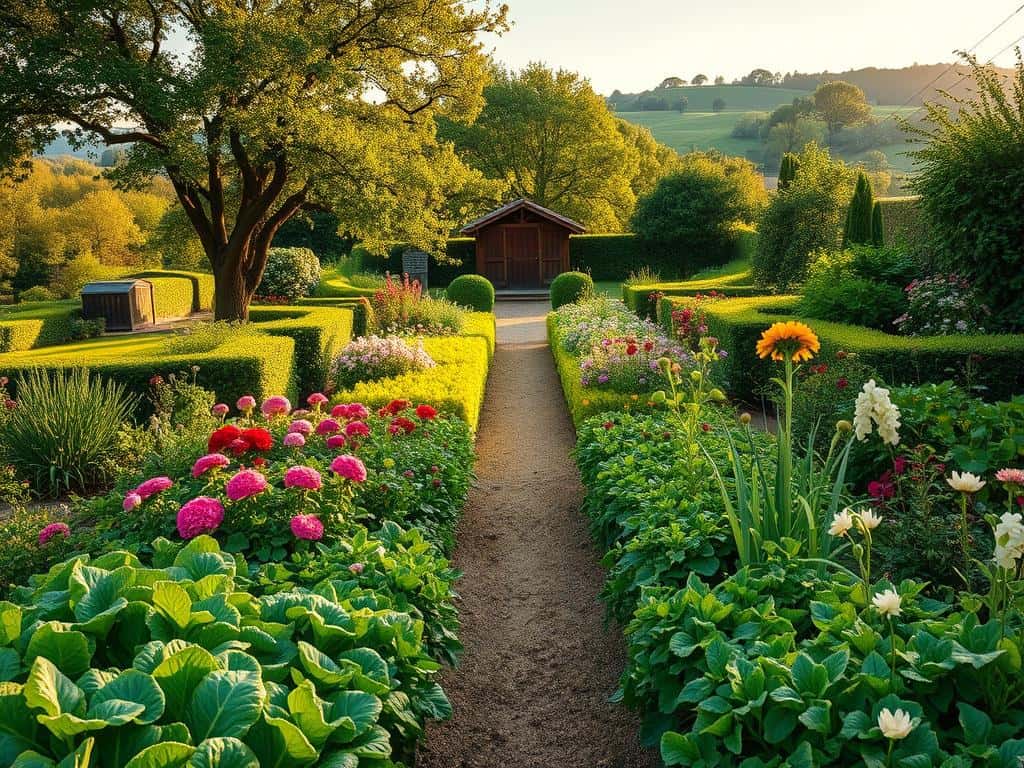
Did you know over 80% of gardeners think knowing when to plant is key to a great garden? This shows how important seasonal planting is for a lively outdoor space all year. With a Seasonal Planting Guide, I can make my garden more productive and beautiful. It ensures there are always flowers that attract bees and butterflies.
A good gardening calendar helps me know when to plant seeds based on the weather and the USDA Plant Hardiness Zone Map. Knowing what to grow and when is essential for a healthy garden. It’s important to think about my garden’s conditions and space when planning.
Key Takeaways
- Plant trees in spring or fall to help establish roots.
- Spring-flowering bulbs should be planted in fall for optimal growth.
- Understanding your local climate is key for gardening success.
- Annuals and perennials have specific planting times to thrive.
- A gardening calendar can help track seasonal plantings effectively.
- Choosing the right soil mix can enhance garden productivity.
The Importance of Seasonal Planting
Knowing when to plant is key for a lively and fruitful garden. By understanding climate and hardiness zone, I pick the best plants for my area. This choice is vital for my garden’s health and a year-round harvest.
Understanding Your Climate and Hardiness Zone
Every area has its own weather that affects plants. My hardiness zone tells me which plants can grow here. Local services give advice on when to plant certain flowers and veggies.
For instance, spring is great for violas and pansies. Summer is best for sun-loving plants like lavender and black-eyed Susans. This knowledge helps my plants grow better.
Planning for a Bountiful Harvest
Good planning is essential for a successful garden. Rotating crops and choosing the right varieties for each season boosts yields. I plant warm-season crops like tomatoes in summer and cool-season ones like kale in spring.
Using quality soil and fertilizers helps too. This way, my garden is more productive and rewarding.
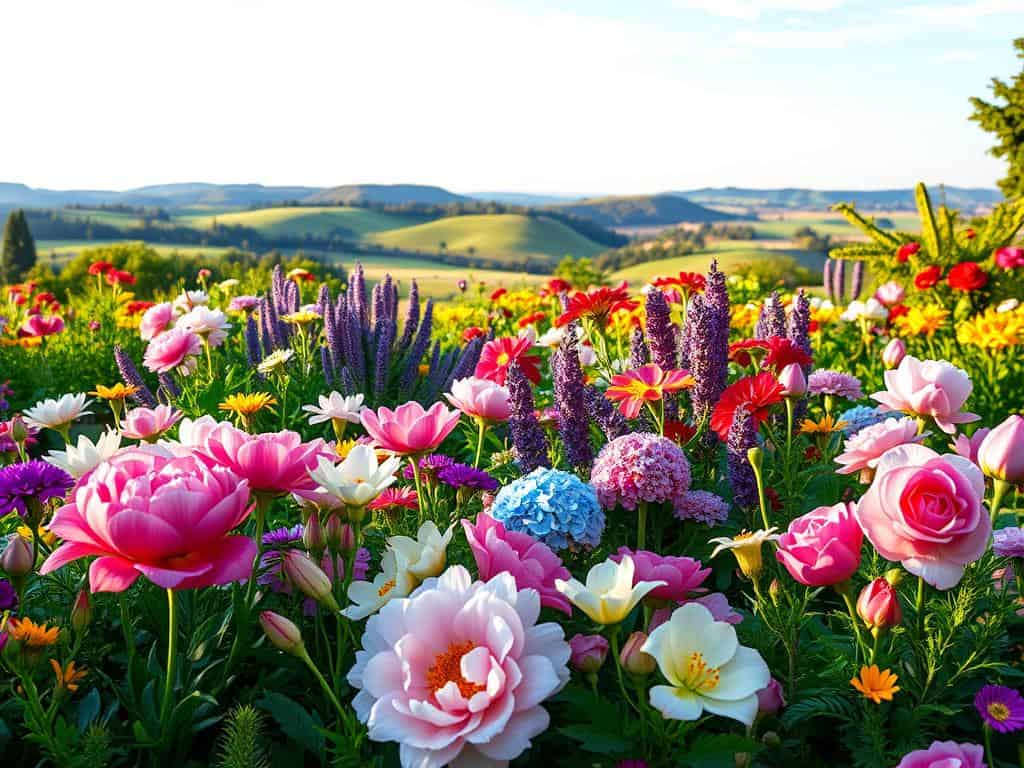
Seasonal Planting Guide
Knowing when to plant is key for a healthy garden. Each season offers a chance to grow different crops. This guide helps you grow vibrant spring veggies, summer blooms, and fall flowers all year.
Spring: The Awakening of Spring Vegetables
When the frost goes away, spring is perfect for planting bulbs and perennials. Cool-loving plants like violas and pansies add color early. My guide says to harden off seedlings before planting to help them grow strong.
Planting different flowers at different times keeps your garden colorful. Choosing flowers that match in color makes your garden look even better.
Summer: Embracing the Heat
Summer brings warm weather for heat-loving plants. Black-eyed Susans and hollyhocks are great choices. My summer tips say to plant in the cooler morning or evening.
Using mulch keeps the soil moist, which is key in the heat. Deep watering helps plants grow strong roots.
Fall: A Second Chance for Growth
Fall is a great time to add more beauty to your garden. Plants like asters and cyclamen bloom as the weather cools. My guide suggests planting bulbs six weeks before the first frost.
Cleaning and feeding the soil gets it ready for winter. Planning for early bloomers brings joy in the spring.
Conclusion
Looking back, I see how each season brings its own benefits to gardening. By timing my planting right and choosing native plants, my garden comes alive. These plants do well in their natural setting and help local wildlife, like pollinators and birds.
Seasonal planting offers more than just beauty. Planting in spring or fall helps my garden grow strong. This means better harvests and longer blooms. Plus, keeping my garden simple makes it easier to care for, just as I like it.
Using these tips, I feel closer to my garden. I see how careful planning and care lead to growth and beauty. It’s not just a pretty garden; it’s also a home for nature.


MOST COMMENTED
Smart Living
10 Budget-Friendly Smart Home Upgrades Anyone Can Do
Home
Glass Walls: The Future of Modern Home Interiors
Lifestyle
7 DIY Ways to Instantly Reduce Stress!
Smart Living
Alexa vs. Google Home – Which Smart Speaker Wins?
Outdoor
How to Set Up an Outdoor Movie Night!
Lifestyle
How to Improve Focus & Mental Clarity Fast!
Home
Forget Minimalism! How to Nail Maximalist Style