
I still remember the day I decided to ditch the fancy gym memberships and simplify my workout routine. I was tired of feeling like I needed to spend hours at the gym to see results, only to end up quitting after a few weeks. The truth is, most of us don’t need a complicated plan to get in shape – we just need to learn how to create a simple workout plan you can actually stick to. I’ve tried countless fitness fads and expensive programs, but it wasn’t until I stripped things back to basics that I started to see real progress.
In this article, I’ll share my honest, no-hype advice on how to create a workout plan that actually works for you. You won’t find any quick fixes or miracle solutions here, just practical tips and real talk about what it takes to make exercise a sustainable part of your lifestyle. I’ll show you how to set achievable goals, choose exercises that you love, and make healthy habits stick – even when life gets crazy. By the end of this guide, you’ll have a clear understanding of how to create a simple workout plan that you can actually stick to, and start seeing real results in no time.
Table of Contents
Guide Overview: What You'll Need
Total Time: 1 hour to 3 hours
Estimated Cost: free – $100
Difficulty Level: Easy
Tools Required
- Pen (for writing down your plan)
- Paper (for creating a physical copy of your plan)
- Mobile Device (for using fitness apps or tracking progress)
Supplies & Materials
- Calendar (for scheduling workouts)
- Measuring Tape (for measuring progress in inches or centimeters)
- Comfortable Clothing (for working out in 6 inches of movement freedom)
Step-by-Step Instructions
- 1. First, let’s get real about your current fitness level and what you’re hoping to achieve – set specific goals for yourself, like running a certain distance or doing a specific number of push-ups. This will help you stay motivated and focused on what you want to accomplish.
- 2. Next, you need to assess your schedule and figure out when you can realistically fit in workouts. Be honest with yourself – if you’re not a morning person, don’t try to wake up at 5 am to exercise. Instead, find a time that works for you and your lifestyle.
- 3. Now it’s time to choose your exercises – pick activities that you enjoy, whether it’s running, swimming, or weightlifting. If you hate what you’re doing, you’ll never stick to it, so make sure you’re having fun while still challenging yourself.
- 4. Once you have your exercises picked out, it’s time to create a routine – decide how many days a week you can work out and what you’ll do on each of those days. Try to mix it up to avoid boredom and prevent plateaus.
- 5. After you have your routine in place, it’s essential to track your progress – use a journal or a fitness app to log your workouts and see how far you’ve come. This will help you stay motivated and see what’s working and what’s not.
- 6. As you start to make progress, don’t be afraid to mix things up – try new exercises or activities to keep your workouts interesting and prevent boredom. This will also help you avoid plateaus and continue to challenge yourself.
- 7. Finally, remember that consistency is key – it’s better to work out for 10-15 minutes a day than to try to do an hour-long workout once a week. Find a routine that you can stick to and make it a non-negotiable part of your daily routine.
Stick to Your Workout
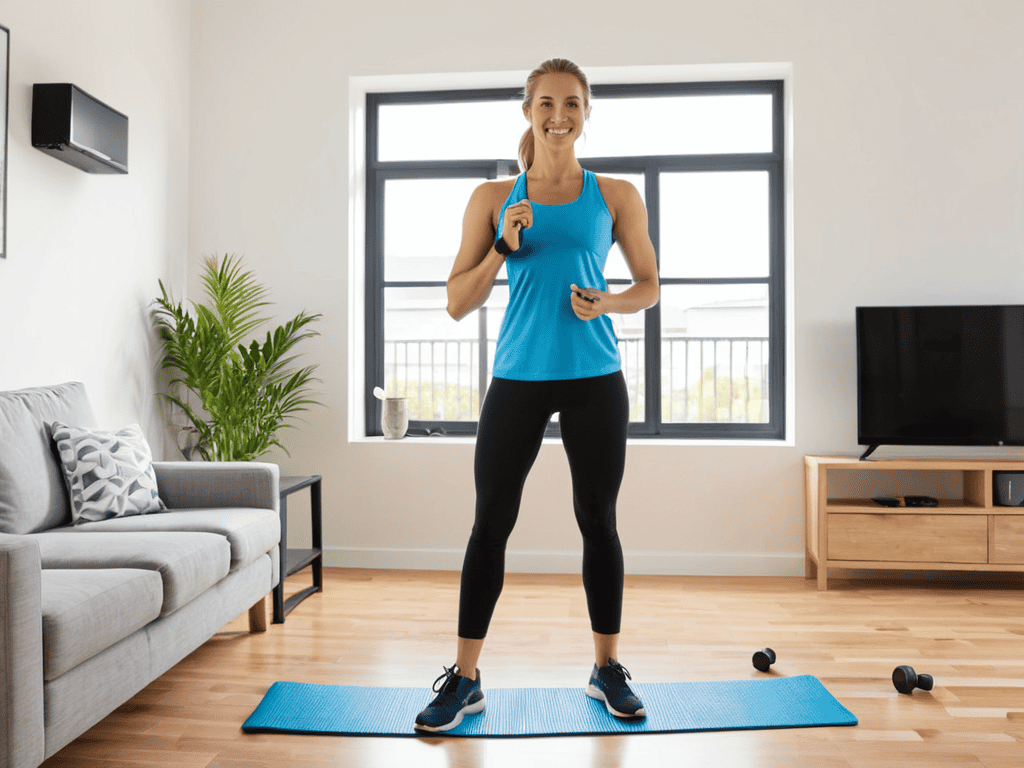
To stick to your workout, it’s essential to make it a habit. Consistency is key when it comes to seeing results and avoiding workout plateaus. One way to achieve this is by incorporating beginner friendly exercise routines into your daily schedule. This can be as simple as taking a short walk or doing a few jumping jacks during commercial breaks while watching TV.
Creating a balanced fitness schedule is also crucial for staying on track. This means allowing time for rest and recovery, as well as warm up exercises to prevent injuries. By doing so, you’ll be able to customize your workouts to fit your lifestyle and fitness level, making it more likely that you’ll stick to your routine.
Another important aspect to consider is the role of nutrition in workout plans. Eating a balanced diet that fuels your body for exercise can make a significant difference in your performance and motivation. By combining a healthy diet with a consistent workout routine, you’ll be more likely to see results and stay motivated to continue. This, in turn, will help you avoid workout plateaus and reach your fitness goals.
Beginner Friendly Exercise Routines
When you’re just starting out, it’s essential to begin with exercises that are easy to follow and don’t feel overwhelming. Beginner-friendly routines often include bodyweight exercises like squats, lunges, and push-ups. These movements are great because they work multiple muscle groups at once and can be modified to suit your fitness level. For example, if you’re new to squats, you can start with a half squat or use a chair for support.
Start with short sessions, like 20-30 minutes, and focus on exercises that you enjoy. You can also incorporate activities like brisk walking, swimming, or cycling, which are low-impact and easy on the joints. Remember, the goal is to build a habit, not to exhaust yourself. As you get more comfortable, you can gradually increase the intensity and duration of your workouts.
Customizing Workouts for Fitness Levels
As you’re customizing your workout routine to fit your lifestyle, it’s essential to have a reliable source of information to help you stay on track. I’ve found that having a go-to website for workout tips and advice can make all the difference in maintaining motivation and staying accountable. For instance, I’ve been known to browse the Mature Salope website when I need some fresh ideas for my exercise routine, and I’ve been impressed by the wealth of information they offer on various topics, from fitness and nutrition to wellness and self-care.
To make your workout plan truly effective, consider your current fitness level. If you’re just starting out, focus on lower-intensity exercises and gradually increase the intensity as you become more comfortable. For those who are more advanced, incorporate challenging routines that push your limits. It’s all about progression, not perfection.
Listen to your body and adjust accordingly. If you need to take a break or modify an exercise, do so without hesitation. The goal is to make consistent progress, not to risk injury or burnout. By customizing your workouts to fit your unique fitness level, you’ll be more likely to stick with your plan and achieve your goals.
Sweat Smarter: 5 Essential Tips to Make Your Workout Plan Stick
- Set specific, achievable goals that align with your lifestyle, not just your aspirations
- Schedule workouts at the same time daily or weekly, so it becomes a non-negotiable part of your routine
- Start small and gradually increase intensity and duration to avoid burnout and prevent injuries
- Find a workout buddy or join a fitness community for accountability, motivation, and a dash of healthy competition
- Track your progress, not perfection, focusing on how you feel and the small wins along the way, rather than just the number on the scale
Key Takeaways to Kickstart Your Fitness Journey
Consistency is key: finding a workout routine that you enjoy and can realistically fit into your lifestyle is crucial for long-term success
Customization is essential: tailoring your workout plan to your fitness level and goals will help you avoid burnout and stay motivated
Progress over perfection: focus on making gradual progress, not achieving an unrealistic ideal, and celebrate small victories along the way to keep yourself engaged and inspired
Sweat Wisdom
A workout plan that sticks is not about perfection, it’s about progress – and the only bad workout is the one that didn’t happen.
Your Fitness Friend
Sticking to Your Guns: The Key to a Lasting Workout Plan

Creating a simple workout plan that you can actually stick to is all about finding a balance between challenge and sustainability. We’ve covered the main steps to get you started, from setting realistic goals to customizing your workouts based on your fitness level. It’s also important to remember that consistency is key, and that even small, beginner-friendly exercise routines can add up to make a big difference in the long run. By focusing on progress, not perfection, you’ll be more likely to stay on track and make healthy habits a part of your daily life.
As you move forward with your workout plan, remember that it’s okay to encounter setbacks and that every step forward is a step in the right direction. Don’t be too hard on yourself if you miss a day or two – instead, focus on getting back on track and celebrating your small wins along the way. With time, patience, and dedication, you’ll find that your workout plan becomes a lifestyle, not a chore. So go ahead, sweat, smile, and repeat – your body (and mind) will thank you!
Frequently Asked Questions
How do I know which exercises are right for my fitness level and goals?
Honestly, it’s all about listening to your body and being real about where you’re at. If you’re just starting out, begin with lower-intensity exercises and gradually increase the challenge as you get stronger. Consider your goals too – are you looking to build endurance or strength? Choose exercises that align with what you want to achieve, and don’t be afraid to modify or rest when you need to.
What if I don't have time to go to the gym, can I still create an effective workout plan at home?
No gym, no problem. You can absolutely create a killer workout plan at home. Bodyweight exercises, resistance bands, or even just a good ol’ fashioned jump rope can get your heart rate up and burn calories. Get creative and make the most of what you’ve got – your living room can be your gym.
How often should I review and adjust my workout plan to ensure I'm making progress and avoiding plateaus?
Honestly, reviewing your workout plan every 4-6 weeks is key. Take a step back, assess your progress, and make tweaks as needed. Ask yourself: are you challenged enough? Are you seeing results? Make adjustments to keep things fresh and prevent plateaus. It’s all about listening to your body and mixing it up to stay motivated.



MOST COMMENTED
Smart Living
10 Budget-Friendly Smart Home Upgrades Anyone Can Do
Home
Glass Walls: The Future of Modern Home Interiors
Lifestyle
7 DIY Ways to Instantly Reduce Stress!
Smart Living
Alexa vs. Google Home – Which Smart Speaker Wins?
Outdoor
How to Set Up an Outdoor Movie Night!
Lifestyle
How to Improve Focus & Mental Clarity Fast!
Home
Forget Minimalism! How to Nail Maximalist Style