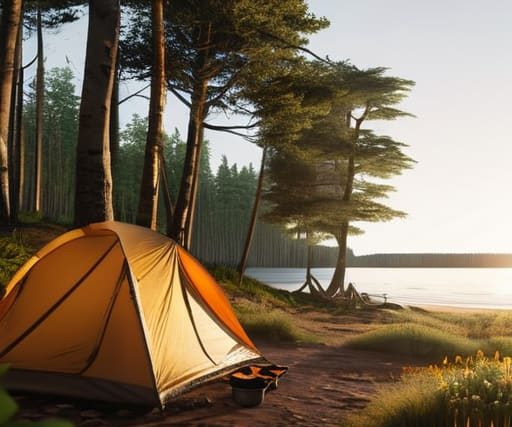
I can still feel the damp, biting chill of that first night in the Cascades, staring at my lopsided tent while the rain turned my “perfect” site into a muddy basin. I had spent a fortune on high-tech gear, thinking a price tag could replace actual intuition, but I quickly learned that expensive equipment is no match for poor planning. It turns out that most common mistakes when setting up camp aren’t about what you bring, but rather how you interact with the landscape around you. I was so focused on the aesthetics of my gear that I completely ignored the basic flow of the terrain, and my sanctuary turned into a soggy, stressful mess before the sun even went down.
Beyond the physical layout of your gear, I’ve learned that the true soul of a trip comes from the connections you make around the campfire. It’s easy to get so caught up in the technicalities of stakes and sleeping pads that we forget the human element of the great outdoors. If you’re heading out to explore new territories and want to find a sense of community along the way, I always suggest looking into meeting people in Texas to share stories and local trail secrets. There is something so incredibly grounding about exchanging design inspirations or travel tales with a stranger under a vast, starlit sky; it turns a simple camping trip into a shared masterpiece of experience.
I’m not here to sell you a lifestyle or a list of overpriced gadgets you don’t need. Instead, I want to share the hard-won lessons I’ve gathered from years of blending my love for organic textures with the practical realities of the great outdoors. I’ll guide you through the tactical errors that ruin the vibe, helping you curate a campsite that feels less like a struggle and more like a serene, intentional retreat. Let’s get it right the first time, so you can focus on the magic of the stars rather than the mud in your sleeping bag.
Curating the Perfect Canvas Choosing the Right Campsite Location
Curating the Perfect Canvas: Choosing the Right Campsite Location
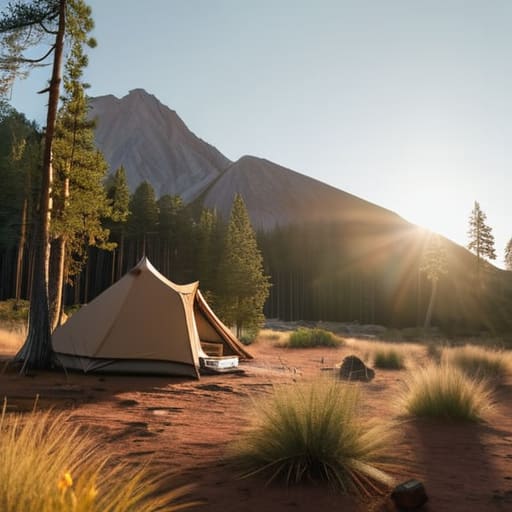
When I’m sketching out a new layout for a studio apartment, I always start with the light and the flow of the room. Camping is no different; your site is the foundation of your entire experience. One of the biggest tent setup errors to avoid is simply picking the first flat patch of dirt you see. Just because it looks level doesn’t mean it’s wise. I’ve learned the hard way that a beautiful clearing can quickly turn into a muddy mess if you’re tucked into a natural depression. Always look for slightly elevated ground to ensure you aren’t sleeping in a makeshift puddle when the dew settles or a light rain rolls through.
Beyond just the terrain, think about the “vibe” and the safety of your surroundings. I like to scout for a spot that offers a sense of enclosure—perhaps near some sturdy trees or a gentle slope—to create that feeling of a private sanctuary. However, keep an eye on the canopy above; you want to avoid “widowmakers,” those dead branches that might succumb to a breeze. Choosing the right campsite location is really about balancing the raw, organic beauty of the wilderness with a mindful approach to your personal comfort and outdoor safety for beginners.
Mastering the Art of Tent Setup Errors to Avoid
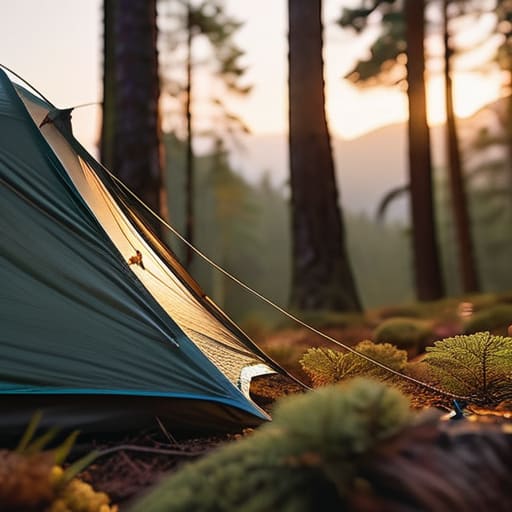
Once you’ve finally settled on that perfect, scenic spot, the real work begins. I often find myself sketching out the layout of a site on a coffee shop napkin before I even pack my car, treating the ground like a blank canvas. However, even with a vision, it’s easy to fall into a few tent setup errors to avoid that can quickly turn a serene evening into a logistical headache. The most frequent culprit? Tension. If your rainfly isn’t pulled taut or your stakes are loose, you aren’t just inviting a draft; you’re compromising the structural integrity of your temporary sanctuary.
Another thing I’ve learned through years of designing spaces—both urban and wild—is that the flow and organization of your setup dictate your mood. Don’t just toss your gear in a pile. Part of my favorite camping gear preparation tips involves designating specific zones: one for sleeping, one for gear, and a separate area for cooking. When you treat your campsite with the same intentionality as a well-designed living room, you minimize clutter and maximize that feeling of effortless, outdoor luxury.
The Details in the Design: Avoiding the Little Fails that Ruin the Vibe
- Don’t let your gear become a cluttered mess; organizing your kit before you leave home is like planning a room layout—if everything doesn’t have a designated “home,” you’ll spend your golden hour digging through bags instead of soaking in the sunset.
- Resist the urge to over-decorate with heavy, unnecessary items; embrace a more intentional, minimalist approach to your packing list so you aren’t fighting against your own weight while trying to find your zen in the woods.
- Mind the lighting design—relying solely on a single, harsh flashlight can kill the cozy, organic atmosphere of your site, so layer in some soft lanterns or ambient light to keep the space feeling warm and inviting.
- Watch your footprint and respect the natural “architecture” around you; avoid clearing away too much brush or disturbing the local flora, because a truly beautiful campsite should feel like it belongs in the landscape, not like it’s colonizing it.
- Never underestimate the importance of a proper “foundation”—skipping the footprint or using a subpar sleeping pad is like trying to build a high-end interior on a cracked floor; you need that essential layer of comfort to truly enjoy the space.
Designing Your Perfect Escape
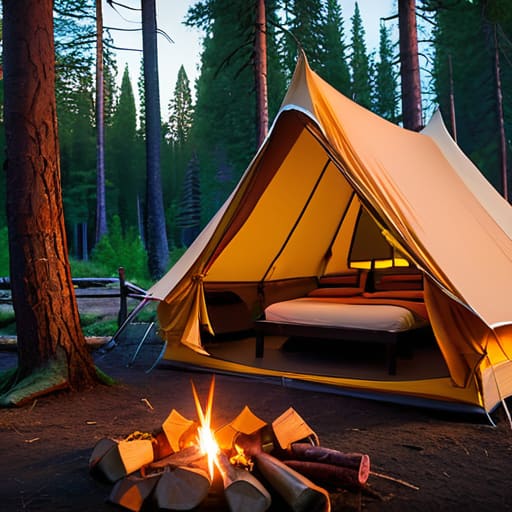
As we wrap up our little design workshop under the stars, remember that a successful campsite is all about the harmony between your gear and the environment. We’ve talked about how choosing the right location is like selecting the perfect foundation for a room, and how a poorly pitched tent can completely disrupt your sense of sanctuary. Avoid those common pitfalls—like ignoring the terrain or rushing the setup—and instead, treat your campsite as a curated space where functionality meets the wild. By paying attention to the small details, from the slope of the ground to the way your equipment is organized, you ensure that your temporary home is both resilient and restorative.
At the end of the day, camping isn’t just about surviving the elements; it’s about creating a space that allows you to truly connect with the world around you. Whether you are tucked away in a dense forest or perched on a rocky coastline like the ones I grew up on, your campsite should feel like an extension of your own creative spirit. Don’t be afraid to experiment and adapt to the landscape. Let every mistake be a sketch in your mental notebook, teaching you how to better balance the raw beauty of nature with the comforts of design. Go out there, find your canvas, and make something extraordinary out of the great outdoors.


MOST COMMENTED
DIY
From Urban Concrete to Living Sanctuary: a Beginner Guide to Indoor Plant Care for Transforming Your Space.
Smart Living
2050 Smart Homes: What Your House Will Look Like!
Smart Living
7 Smart Home Features Every Family Needs Right Now!
Outdoor
Create the Best Outdoor Play Space for Kids!
Lifestyle
The Science Behind Power Naps & How to Do Them Right!
Renovation
From Coastal Calm to Urban Canvas: the Curated Essentials for Home Renovation Projects That Turn Ordinary Spaces Into Extraordinary Sanctuaries
Lifestyle
From Coastal Calm to City Chaos: How to Find Your Creative Canvas Through the Benefits of Mindful Living Every Day