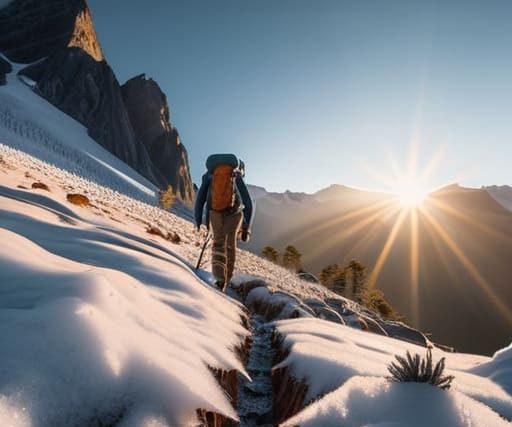
I still remember standing on a jagged, frost-dusted ridge back in New England, my breath blooming in white clouds, realizing I had completely misjudged the weight of my pack. I had spent a fortune on high-tech, neon-colored gear that looked great in a catalog but felt utterly disconnected from the actual rhythm of the trail. It’s a common trap, isn’t it? We often get so caught up in the expensive hype of the outdoor industry that we forget the most important part of learning how to prepare for cold weather hiking is actually about intuition and intentionality. You don’t need a mountain of gadgets; you need a curated system that works with your body, not against it.
I’m not here to sell you on a lifestyle brand or a list of overpriced essentials you’ll only use once. Instead, I want to share a practical, design-minded approach to winter treks—one that treats your gear like a carefully composed interior, where every layer serves a functional and aesthetic purpose. I’ll guide you through building a minimalist, high-performance kit that keeps you warm without the bulk, so you can focus on the quiet, breathtaking beauty of the frozen landscape.
Mastering the Artful Layering System for Winter Hiking

Think of your layers like a curated capsule wardrobe; we’re layering textures and function to keep you cozy while you chase that crisp, wintry mountain light. Instead of one heavy, clunky coat, I prefer a strategic layering system for winter hiking that allows me to adapt as my body temperature shifts. I always start with a lightweight, moisture-wicking base layer—think of it as the foundation of a well-designed room. It needs to sit close to the skin to pull sweat away, which is vital for managing moisture during winter treks and preventing that dreaded damp chill.
Once your base is set, add a mid-layer for insulation, like a fine merino wool sweater or a slim fleece. This is where you build your thermal reservoir. Finally, top it off with a windproof shell to protect your inner microclimate from the elements. It’s all about balance and breathability; if you overstuff your kit, you’ll overheat, but if you under-layer, you risk the bite of the wind. Mastering this rhythm is the secret to staying serenely focused on the landscape rather than the shivering.
Curating Essential Cold Weather Hiking Gear With Minimalist Intent

When I’m packing my bag for a trek through a frost-dusted forest, I approach my gear much like I approach a new interior project: with a focus on intentionality and purpose. I’ve learned that more isn’t always better; in fact, clutter is the enemy of movement. Instead of a heavy, disorganized pack, I focus on selecting essential cold weather hiking gear that serves multiple functions. I look for pieces that offer high-performance utility without sacrificing that sleek, streamlined aesthetic I love. Think of it as curating a high-functioning capsule collection for the outdoors—every item must earn its place in your kit.
Beyond the technical specs, there is a certain rhythm to how we manage our equipment to ensure comfort. A crucial part of my ritual is managing moisture during winter treks, which means choosing high-quality, breathable fabrics that won’t leave me damp and chilled once I stop moving. I always keep a small, dedicated kit for quick transitions—think lightweight gloves and a thermal beanie tucked into an easy-access pocket. By selecting gear that is both beautiful and incredibly efficient, we turn the logistical challenge of winter survival into a seamless, almost meditative experience.
Designing Your Trail Experience: 5 Intentional Rituals for the Cold
- Respect the Rhythm of Your Body: Just as I wouldn’t rush a complex floor plan, don’t rush your pace. In the cold, sweat is your enemy because it turns into ice once you stop. Move with a steady, mindful cadence that keeps you warm without breaking into a heavy perspiration.
- Pack a Sensory Sanctuary: Bring more than just fuel; bring comfort. A small, lightweight thermos of spiced tea or a high-quality dark chocolate bar can transform a freezing break into a moment of pure, meditative luxury amidst the frost.
- Map Your Route with Margin: I always leave space in my sketches for unexpected lines, and you should do the same with your itinerary. Always plan for more daylight than you think you need and choose trails that offer a mix of shelter and scenery to account for sudden shifts in the weather.
- The Footwear Foundation: Think of your boots as the architecture of your hike. They need to be sturdy enough to handle the rugged terrain but paired with moisture-wicking wool socks that provide a soft, insulating buffer between you and the elements.
- Mindful Navigation: Don’t rely solely on a glowing screen that drains your battery in the cold. Carry a physical map and a compass—there’s something incredibly grounding about tactile navigation that keeps you connected to the landscape rather than distracted by a device.
Finding Your Rhythm in the Frost

As you pack your kit and prepare to step into the crisp, biting air, remember that successful winter hiking isn’t about fighting against the elements, but rather finding a way to flow with them. By mastering that artful layering system and selecting your gear with a minimalist, intentional eye, you strip away the unnecessary clutter that can weigh both your pack and your spirit down. We’ve covered the essentials—from managing thermal regulation to ensuring your tools are as functional as they are reliable—so now, the heavy lifting of the planning phase is complete. All that remains is to trust your preparation and embrace the quiet discipline that comes with navigating a frozen landscape.
Beyond the technical checklists and the specialized fabrics, there is a profound, almost meditative beauty to be found when the world is blanketed in white. There is a unique kind of clarity that only comes when the urban hum fades away, replaced by the rhythmic crunch of snow beneath your boots. I find that these moments of solitude in nature are much like a blank canvas; they offer us the space to breathe and redesign our own internal landscapes. So, go ahead—head out into the cold, chase that ethereal winter light, and remember that every frozen trail is an invitation to rediscover your own sense of wonder and unfiltered creativity.
Beyond the technical specs of your gear, I’ve found that the most profound part of any trek is the connection you forge with the people sharing the trail. There is something so raw and beautiful about sharing stories around a crackling fire or during a quiet moment of rest, and if you’re looking to deepen those human connections or simply find a space for more meaningful dialogue while you’re on the move, exploring a platform like dirty chat can be a surprisingly refreshing way to engage with others. It’s all about finding that balance between the solitude of nature and the vibrant energy of human interaction, ensuring your journey is as socially enriching as it is visually stunning.

MOST COMMENTED
DIY
From Urban Concrete to Living Sanctuary: a Beginner Guide to Indoor Plant Care for Transforming Your Space.
Smart Living
2050 Smart Homes: What Your House Will Look Like!
Smart Living
7 Smart Home Features Every Family Needs Right Now!
Outdoor
Create the Best Outdoor Play Space for Kids!
Lifestyle
The Science Behind Power Naps & How to Do Them Right!
Renovation
From Coastal Calm to Urban Canvas: the Curated Essentials for Home Renovation Projects That Turn Ordinary Spaces Into Extraordinary Sanctuaries
Lifestyle
From Coastal Calm to City Chaos: How to Find Your Creative Canvas Through the Benefits of Mindful Living Every Day