
I was sitting in my favorite corner café yesterday, the sunlight hitting my sketchbook just right, when I realized I hadn’t actually looked at the architecture across the street for twenty minutes. Instead, I had been spiraling through a digital void, my thumb twitching rhythmically against the glass while a half-finished floor plan sat forgotten on my napkin. It’s a strange, modern kind of clutter—not the physical mess of a disorganized room, but a mental congestion that makes it impossible to breathe. We’re constantly told that productivity hacks or expensive “digital detox” retreats are the answer, but let’s be real: those are just more distractions. Learning how to set boundaries with your phone isn’t about buying a new app or deleting your existence; it’s about reclaiming your mental real estate from the constant noise.
I’m not here to give you a list of hollow, impossible rules that leave you feeling guilty. Instead, I want to share the practical, design-minded shifts I’ve used to integrate technology into my life without letting it overshadow the beauty of the present moment. We are going to look at this through the lens of intentional living, treating your attention as the most precious resource in your home. I promise to guide you through realistic, sustainable ways to curate your digital habits so you can finally stop scrolling and start seeing the world again.
Curating a Healthy Relationship With Technology

Sometimes, I find that the hardest part isn’t just setting the boundary, but actually holding onto it when the urge to scroll becomes a reflex. Just like I wouldn’t attempt to redesign a complex loft without a solid blueprint, I’ve realized that navigating these digital shifts often requires a bit of extra guidance to truly master your focus. If you’re feeling a bit lost in the noise, you might find it helpful to read more about finding that sense of intentionality and control in your daily rhythms. It’s all about creating a structured space—not just in your home, but within your own mind—so that you can finally breathe again.
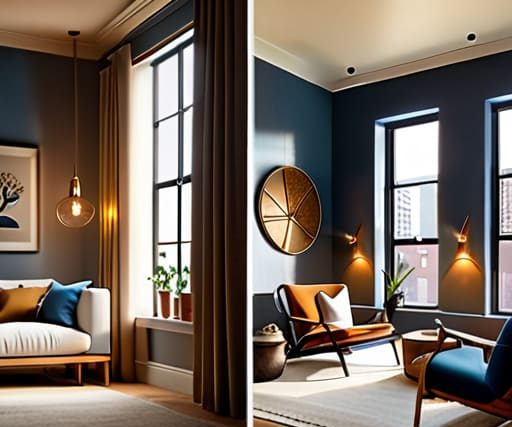
I’ve always believed that the way we curate our physical environments—the textures, the light, the flow—directly impacts our mental clarity. It’s no different with our digital spaces. Just as I wouldn’t clutter a minimalist living room with unnecessary gadgets, I’m learning that a healthy relationship with technology requires a similar sense of intentionality. It’s not about complete isolation, but rather about deciding which “digital pieces” actually serve your life and which ones are just visual noise.
Lately, I’ve been experimenting with setting phone-free zones in my own home, much like I would designate a reading nook or a quiet meditation corner. I’ve started leaving my device in a separate room during my morning coffee, allowing myself to simply exist with my sketchbook and the sunlight streaming through the window. This small shift in my daily ritual has been a game-changer for minimizing digital distractions, helping me reclaim those quiet, creative moments that used to be instantly swallowed by a notification ping.
Minimizing Digital Distractions to Reclaim Your Focus
I’ve always believed that the layout of a room dictates how we feel within it, and I’ve come to realize that our digital environments require the same intentionality. Just as I wouldn’t clutter a minimalist reading nook with unnecessary furniture, I find that my focus suffers when my home is cluttered with constant pings and vibrations. To combat this, I’ve started setting phone-free zones in my apartment—specifically the dining table and my favorite velvet armchair. By designating these areas as sacred spaces for conversation or reflection, I’m able to practice minimizing digital distractions without feeling like I’m undergoing a radical, overwhelming lifestyle shift.
It isn’t about a complete retreat from the modern world, but rather about creating pockets of stillness. I often find myself sketching on a napkin at a local café, and if my phone is face-up on the table, I’m not truly present with the architecture around me. Implementing small digital detox strategies, like turning off non-essential notifications or leaving my device in another room during my morning coffee, helps me reclaim that sense of creative flow. It’s about designing a life where technology serves my focus, rather than stealing it.
Designing Your Digital Sanctuary: Five Intentional Shifts
- Create “No-Phone Zones” in your home, much like I would designate a reading nook or a quiet garden corner. Designate your dining table or your bedroom as sacred spaces where the glow of a screen isn’t invited, allowing the physical atmosphere of the room to breathe.
- Curate your notifications with the same precision I use when selecting a minimalist color palette. If an app doesn’t serve a functional or deeply joyful purpose, silence it. You don’t need every digital ping interrupting the natural flow of your afternoon.
- Implement a “Sunset Protocol” for your devices. Just as the light softens at the end of the day, let your digital world dim too. Setting a hard boundary to put your phone away an hour before bed helps transition your mind from the frantic urban pace to a more serene, restorative state.
- Use your phone as a tool, not a destination. I find it helpful to treat my device like a well-designed piece of furniture—something that has a specific place and a specific purpose—rather than an extension of my own hand that I carry through every moment of my life.
- Reclaim your “analog interludes.” When I’m sitting in a café, I try to resist the urge to scroll and instead reach for my sketchbook. Use those small pockets of time to observe the world, feel the texture of a napkin, or simply exist in the space without the filter of a screen.
Designing Your Digital Sanctuary
As we wrap up this exploration, remember that setting boundaries with your phone isn’t about restriction; it’s about intentional curation. Just as I wouldn’t clutter a minimalist living room with unnecessary trinkets, we shouldn’t allow our mental landscapes to be crowded by constant notifications and mindless scrolling. By establishing dedicated tech-free zones, streamlining your digital environment, and choosing to be present in the physical world, you are essentially reclaiming your most precious resource: your attention. We’ve looked at how to minimize distractions and how to foster a healthier relationship with our devices, but the true work lies in the daily practice of choosing the person in front of you over the screen in your hand.
Ultimately, your life is the most beautiful interior you will ever design. Don’t let the glow of a smartphone dim the vibrant, textured reality of the world around you—the way the light hits a textured wall or the rhythmic hum of a busy street corner. I often find that my best design ideas don’t come from a backlit screen, but from the quiet moments of observation that happen when I finally put my phone away. I encourage you to step away from the digital noise and start sketching your own path toward a more mindful, connected existence. After all, the most extraordinary experiences are rarely found behind a glass screen; they are waiting for you in the spaces you create for yourself.


MOST COMMENTED
Smart Living
10 Budget-Friendly Smart Home Upgrades Anyone Can Do
Home
Glass Walls: The Future of Modern Home Interiors
Lifestyle
7 DIY Ways to Instantly Reduce Stress!
Smart Living
Alexa vs. Google Home – Which Smart Speaker Wins?
Outdoor
How to Set Up an Outdoor Movie Night!
Lifestyle
How to Improve Focus & Mental Clarity Fast!
Home
Forget Minimalism! How to Nail Maximalist Style