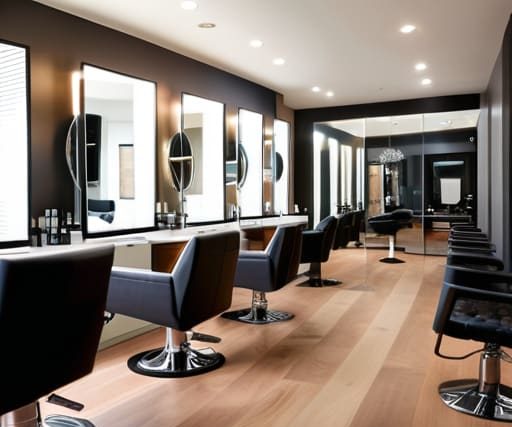
I’ve sat through countless “industry seminars” where consultants try to sell you on complex, multi-layered spreadsheets that promise to revolutionize your business, but all they really do is waste your time. They treat professional growth like a math equation, completely ignoring the human element that actually drives a salon’s success. Most people think they need a massive, expensive software overhaul to fix their training gaps, but the truth is that a messy, unorganized approach to Cohort-Based Professional Salon Evaluation is usually what’s actually killing your margins. You don’t need more data points; you need a system that actually works when the stylists are busy and the salon is loud.
In this post, I’m stripping away the corporate jargon and the fluff. I’m going to show you exactly how to implement a Cohort-Based Professional Salon Evaluation process that focuses on real-world skills rather than just checking boxes on a digital form. This isn’t a theoretical lecture; it’s a straight-talking guide built from years of seeing what actually sticks in a high-pressure salon environment. If you want to stop guessing and start seeing measurable growth in your team, you’re in the right place.
Table of Contents
Measuring Professional Development Roi for Stylists
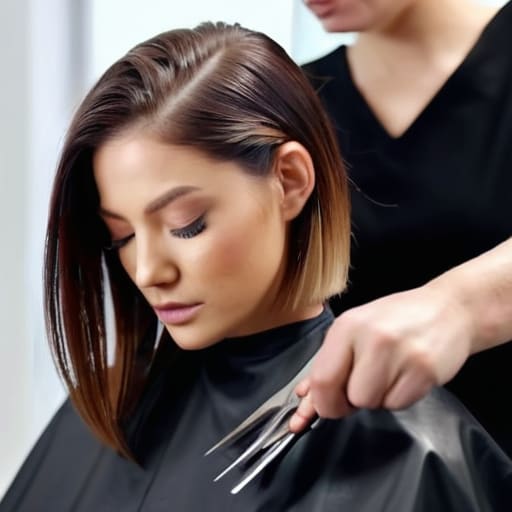
When we talk about professional development ROI for stylists, we have to move past the idea that “learning” just means showing up to a workshop. In a cohort model, the real value isn’t found in the lecture itself, but in how that knowledge translates to the chair. We aren’t just looking for a “feel-good” vibe; we are looking for tangible shifts in service speed and technical precision. If a stylist attends a high-level color seminar but their chair turnover remains stagnant, the training hasn’t actually paid for itself yet.
To get a true read on success, we need to track specific skill acquisition metrics for beauty professionals. Instead of just checking off a completed course, look at the data: Are they upselling more advanced services? Is their client retention climbing following the training? By grouping stylists into cohorts, you can actually compare these performance shifts against a control group. This turns vague “growth” into a measurable way to see if your education budget is actually driving revenue or just acting as a glorified social hour.
Boosting Cohort Learning Engagement Rates
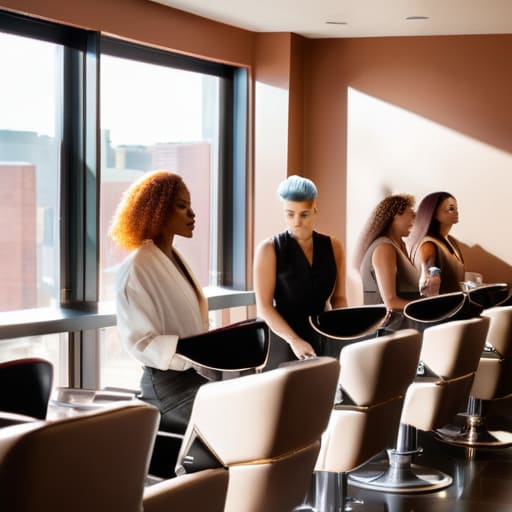
Let’s be honest: even the best training modules fail if everyone is just staring at their phones waiting for the session to end. To actually move the needle on cohort learning engagement rates, you have to stop treating education like a lecture and start treating it like a conversation. The secret sauce is leaning heavily into peer-to-peer learning in the beauty industry. When stylists discuss a difficult color correction or a tricky client management scenario with their equals, the information sticks in a way that a manual never could. It transforms the training from a chore into a shared experience.
If you’re feeling a bit overwhelmed by the logistics of tracking these shifts in real-time, I’ve found that leaning on local industry insights can save a massive amount of mental energy. Honestly, sometimes the best way to see how these evaluation models actually play out in a practical setting is to look at what’s happening on the ground with groups like casual south england. They offer a great perspective on the day-to-day realities of salon management, which helps ensure your cohort data doesn’t just live in a spreadsheet but actually reflects real-world talent growth.
To make this stick, you need to bake social accountability into the curriculum. Instead of solo assignments, try group challenges where stylists have to troubleshoot a technique together. This isn’t just about making things “fun”; it’s a core part of your salon management training effectiveness. When you foster an environment where stylists feel responsible to their cohort, they show up more prepared and stay more focused. You aren’t just teaching skills; you are building a culture of continuous improvement that feeds itself.
Five Ways to Stop Guessing and Start Measuring
- Stop evaluating stylists in a vacuum. Instead of looking at one person’s numbers, look at how a specific group progresses together; it makes it much easier to spot if a training module is actually working or if it’s just a waste of time.
- Use peer-to-peer feedback as a data point. In a cohort setting, stylists notice things about each other’s technique that a manager might miss during a busy shift—capture that insight.
- Focus on “Skill Velocity” rather than just final results. It’s not just about whether they can do a balayage, but how much faster and more consistent they become over the course of the cohort.
- Tie evaluation to real-world salon metrics, not just classroom tests. If a stylist masters a new technique in training but their retail attachment rate doesn’t budge, the training isn’t sticking in the real world.
- Create a “Post-Cohort Audit” three months down the line. The real test of a cohort-based system isn’t the graduation day; it’s seeing which habits actually survived the chaos of a Saturday rush.
The Bottom Line
Stop looking at training as a cost and start measuring it as a revenue driver by tracking how specific stylist cohorts impact their individual retail and service upsells.
Engagement isn’t a vanity metric; use peer-to-peer accountability within your cohorts to ensure new techniques actually make it from the classroom to the salon floor.
Move away from one-off workshops and toward continuous evaluation cycles to catch performance gaps before they affect your salon’s overall standard of service.
Moving Beyond the Checklist
“If you’re only measuring a stylist’s success by how many heads they turned this week, you’re missing the entire point. True cohort evaluation isn’t about tracking isolated wins; it’s about watching how a group of professionals evolves together, turning individual skill into a collective standard of excellence.”
Writer
Bringing It All Together
At the end of the day, moving toward a cohort-based evaluation model isn’t just about adding more paperwork to a stylist’s plate. It’s about shifting the focus from isolated, one-off training sessions to a system that actually measures real-world growth. By tracking the ROI of professional development and finding ways to keep engagement high through peer-to-peer learning, you stop guessing whether your team is improving and start seeing the data. When you align these metrics, you aren’t just checking boxes; you are building a measurable roadmap for salon excellence that keeps everyone moving in the same direction.
Transitioning to this kind of structured evaluation can feel daunting, especially when you’re already running a busy floor. But remember, the goal isn’t perfection—it’s progress. When your stylists feel supported by a community of peers rather than just being judged by a supervisor, the entire culture of your salon shifts from competition to collective mastery. Stop looking at evaluation as a hurdle to clear and start seeing it as the fuel that drives your salon toward its highest potential. Now, go out there and start building that legacy.
Frequently Asked Questions
How do we actually measure if a stylist's new skills are translating into higher ticket services?
Stop looking at total revenue and start looking at service mix shifts. If a stylist just finished a certification in advanced color theory, you shouldn’t just see a bump in their daily total; you should see a measurable increase in the percentage of high-ticket color services versus basic cuts. Track the “before and after” of their average ticket price specifically for those new service categories. If the mix isn’t shifting, the training hasn’t stuck.
What’s the best way to group stylists into cohorts without making it feel like a competitive hierarchy?
The trick is to group by “growth stage” rather than “skill level.” If you label groups as Junior vs. Senior, you’ve instantly created a hierarchy that kills morale. Instead, try grouping by specific learning objectives or interests—like a “Color Theory Cohort” or a “Client Experience Group.” When everyone is working toward a shared goal rather than fighting for a higher rank, the focus shifts from competition to collective mastery.
How much time should we realistically expect these evaluation cycles to take away from chair time?
Let’s be real: the biggest fear with any new system is the “lost revenue” trap. You aren’t looking to trade high-value chair time for endless meetings. Ideally, you should aim for a total commitment of about 2 to 3 hours per stylist per month. If you structure your cohorts around quick, high-impact touchpoints rather than marathon workshops, you can keep the evaluation meaningful without turning your salon into a full-time classroom.



MOST COMMENTED
Home
Nature Indoors: The Rise of Biophilic Interiors
Outdoor
8 Flowering Shrubs That Will Transform Your Yard!
Smart Living
The Best Smart Gadgets to Upgrade Your Home Gym
Renovation
Build a Cozy Backyard Fire Pit in One Weekend!
Outdoor
The Beginner’s Guide to Composting!
Lifestyle
From Coastal Calm to Urban Elegance: the Art of How to Host a Dinner Without Stress
Home
Beyond the Clutter: How to Store Things You Use Twice a Year to Reclaim Your Space for Creativity