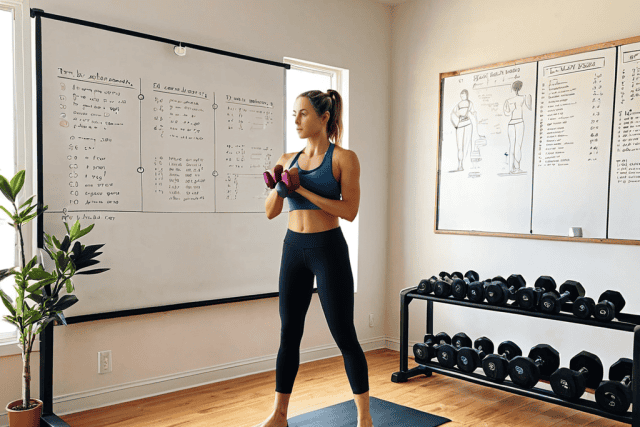
I still remember the day I decided to ditch the overly complicated workout plans and focus on how to create a simple workout plan you can actually stick to. I was tired of feeling like a failure every time I missed a day or two, and I knew I wasn’t alone. The truth is, most of us have been led to believe that a good workout plan has to be intricate and demanding, but I’ve learned that simplicity is key. By stripping away the noise and focusing on what really works, I’ve been able to create a routine that I actually enjoy and can maintain in the long term.
In this article, I’ll share my personal approach to creating a workout plan that’s both effective and sustainable. I’ll cut through the hype and give you practical advice on how to set realistic goals, choose exercises that work for you, and stay motivated even when the going gets tough. You won’t find any fancy gimmicks or quick fixes here, just honest, no-nonsense guidance on how to create a simple workout plan you can actually stick to. By the end of this guide, you’ll have the tools and confidence you need to take control of your fitness journey and start seeing real results.
Table of Contents
Guide Overview: What You'll Need

Total Time: 1 hour to 3 hours
Estimated Cost: $0 – $100
Difficulty Level: Easy
Tools Required
- Pen (for writing down goals and schedule)
- Paper (for planning and tracking progress)
- Computer or Mobile Device (for researching workouts and creating a schedule)
Supplies & Materials
- Workout Mat (optional, for home workouts)
- Dumbbells or Resistance Bands (optional, for strength training)
- Water Bottle (for staying hydrated during workouts)
Step-by-Step Instructions
- 1. First, identify your goals and what motivates you to start a workout plan. Is it to lose weight, build muscle, or just feel more energetic? Whatever your reason, write it down and make it specific. For example, instead of “I want to be healthier,” try “I want to lose 10 pounds in the next 3 months” or “I want to be able to run a 5K without stopping.” This will help you stay focused and motivated throughout your journey.
- 2. Next, assess your current fitness level and schedule. Be honest with yourself about how much time you can realistically dedicate to working out each week. Consider your lifestyle, including your job, family commitments, and any other activities you enjoy. This will help you create a plan that is sustainable and fits into your busy life.
- 3. Now, choose your exercises. Don’t feel like you need to stick to traditional gym workouts. Think about what you enjoy doing, whether it’s walking, jogging, swimming, or group fitness classes. You can also incorporate bodyweight exercises like push-ups, squats, and lunges into your routine. The key is to find activities that you look forward to doing, so you’ll be more likely to stick with them.
- 4. Plan out your workout schedule. Decide on the days and times that work best for you, and try to schedule your workouts at the same time every day or week. Consistency is key when it comes to developing a habit. Consider investing in a planner or using a fitness app to help you stay organized and on track.
- 5. Start small and gradually increase the intensity and duration of your workouts. It’s better to begin with manageable goals and build up to more challenging ones. For example, if you’re new to running, start with short walks and gradually introduce jogging intervals. This will help prevent burnout and reduce the risk of injury.
- 6. Track your progress by keeping a workout journal or using a fitness tracker. Monitoring your progress can help motivate you to continue and provide valuable insights into what’s working and what areas need improvement. Don’t be too hard on yourself if you miss a workout or two – simply get back on track and keep moving forward.
- 7. Finally, find a workout buddy or accountability partner to help keep you motivated. Having someone to share the experience with can make workouts more enjoyable and provide an added incentive to show up. You can also join online fitness communities or forums for support and guidance along the way.
Stick to Your Workout

To maintain momentum and consistency in your workout routine, it’s essential to focus on progress, not perfection. This means being gentle with yourself on days when you don’t feel like exercising and instead, finding ways to make your workouts more enjoyable. Listening to music or exercising with a friend can make the experience more pleasant and help you look forward to your next session.
Creating a balanced fitness schedule is also crucial for avoiding burnout and preventing overuse injuries. Make sure to include rest days and active recovery techniques, such as light stretching or yoga, to help your body repair and rebuild. Additionally, incorporating beginner-friendly exercise routines can help you build confidence and develop a stronger foundation for more advanced workouts.
As you continue on your fitness journey, it’s essential to track your progress and celebrate small victories along the way. Using fitness apps to monitor your workouts and nutrition can help you stay accountable and motivated. Remember to also prioritize nutrition advice for fitness goals, fueling your body with the right foods to support your exercise routine and overall well-being. By doing so, you’ll be better equipped to overcome tips for avoiding workout plateaus and maintain a consistent, effective workout routine.
Avoiding Workout Plateaus With Balance
To keep your workouts fresh and prevent stagnation, it’s crucial to strike a balance between consistency and variety. This means mixing up your routine every few weeks to challenge your body in new ways. Whether it’s swapping cardio days for strength training or trying out a new exercise class, the goal is to avoid complacency and keep your muscles guessing.
By introducing new movements and intensities, you’ll not only avoid plateaus but also prevent overuse injuries that can derail your progress. Remember, the key to a successful workout plan is finding a rhythm that works for you and being open to evolution and growth.
Beginner Friendly Exercise Routines
When you’re just starting out, it’s essential to keep things simple and fun. Beginner-friendly exercise routines often involve bodyweight exercises like push-ups, squats, and lunges. These exercises are great because they work multiple muscle groups at once and can be done anywhere. You can also try short cardio sessions like jumping jacks or jogging in place to get your heart rate up.
As you continue on your fitness journey, it’s essential to remember that staying motivated is just as important as the workouts themselves. One often overlooked aspect of this is having a supportive community that understands your goals and can offer valuable advice. For those looking to connect with like-minded individuals or seeking guidance from experienced fitness enthusiasts, there are online platforms that can provide a sense of belonging and motivation. For instance, checking out resources like erotikkontakte can lead to discovering new workout buddies or mentors who can share tips and experiences, helping you stay on track with your fitness plans.
Remember, the key is to start slow and build up gradually. Aim for 20-30 minute workouts, 2-3 times a week, and focus on exercises that make you feel good, not miserable. As you get more comfortable, you can always add more variety and intensity to your routine.
Sweat Smarter: 5 Essential Tips to Make Your Workout Plan Stick
- Set Realistic Goals and Celebrate Small Wins
- Schedule Your Workouts Like You Would Any Other Important Appointment
- Find Exercises You Actually Enjoy, Not Just Endure
- Mix It Up: Vary Your Routine to Avoid Plateaus and Prevent Overuse Injuries
- Track Your Progress, Not Perfection: Focus on Consistency Over An Unrealistic Ideal
Your Workout Plan Takeaways
Simplify your fitness journey by creating a workout plan that’s tailored to your lifestyle and goals, focusing on consistency and progressive challenges
Combine beginner-friendly exercise routines with balanced variations to avoid plateaus and keep your workouts engaging, ensuring you stick to your plan and achieve lasting results
Remember, the key to a successful workout plan is making it your own and being kind to yourself along the way, celebrating small victories and using them as motivation to propel you forward
Sweat, Smile, Repeat
The key to a killer workout plan isn’t about being a fitness fanatic, it’s about being consistent, patient, and kind to yourself – so, find your rhythm and own it!
Your Fitness Friend
Sticking to Your Guns: The Simple Path to Fitness

Creating a workout plan that you can actually stick to is all about finding a balance between challenge and consistency. We’ve covered the main steps to get you started, from setting simple goals to avoiding workout plateaus with variety. By incorporating beginner-friendly exercise routines and listening to your body, you’ll be well on your way to making fitness a sustainable part of your lifestyle. Remember, the key is to keep it simple and make it your own – don’t be afraid to try new things and adjust your plan as you go.
As you embark on your fitness journey, keep in mind that it’s okay to take things one step at a time. Progress over perfection is the name of the game, and every small victory counts. Don’t be too hard on yourself if you miss a day or two – simply get back on track and keep moving forward. With time and patience, you’ll find that your workout plan becomes an integral part of your daily routine, and the sense of accomplishment you feel after each sweat session will be all the motivation you need to keep going. So go ahead, sweat, smile, and repeat – your body (and mind) will thank you.
Frequently Asked Questions
How do I determine the right balance of cardio and strength training for my fitness goals?
To find your perfect balance, ask yourself: what are my goals? If you’re looking to shed pounds, lean towards cardio. For toning, strength training is key. A good rule of thumb is to aim for 2-3 cardio sessions and 2 strength training sessions per week, then adjust based on how your body responds.
What are some strategies for incorporating rest days and active recovery into my workout plan?
Listen, rest days are not optional – they’re essential. Try incorporating one or two rest days per week, and use active recovery techniques like light yoga or a casual walk to keep your blood flowing without overexerting yourself. Trust me, your body (and mind) will thank you.
How can I track my progress and stay motivated to stick to my workout routine over time?
Tracking progress is key – use a workout journal or app to log your exercises, weights, and how you feel. Celebrate small wins, and don’t be too hard on yourself when you miss a day. Find a workout buddy or join a fitness community for motivation – seeing others crush their goals will keep you fired up and moving forward.



MOST COMMENTED
Smart Living
10 Budget-Friendly Smart Home Upgrades Anyone Can Do
Home
Glass Walls: The Future of Modern Home Interiors
Lifestyle
7 DIY Ways to Instantly Reduce Stress!
Smart Living
Alexa vs. Google Home – Which Smart Speaker Wins?
Outdoor
How to Set Up an Outdoor Movie Night!
Lifestyle
How to Improve Focus & Mental Clarity Fast!
Home
Forget Minimalism! How to Nail Maximalist Style