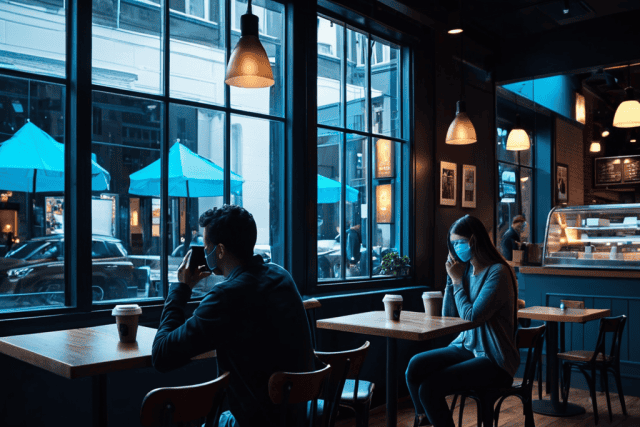
I still remember the day I realized that the impact of social media on modern communication had completely taken over my life. I was sitting in a coffee shop, surrounded by people staring at their phones, and I thought to myself, what’s the point of all this? We’re more connected than ever, but are we really communicating? It seems like everyone’s too busy curating their online persona to actually talk to each other. I’m tired of the hype and the overly complicated advice on how to “optimize” our online interactions.
In this article, I promise to cut through the noise and give you the no-nonsense truth about how social media is changing the way we communicate. I’ll share my own experiences, the good and the bad, and provide you with practical advice on how to navigate the ever-changing landscape of online communication. My goal is to help you understand the real implications of the impact of social media on modern communication and how you can use this knowledge to improve your relationships and interactions, both online and offline.
Table of Contents
Rewiring Modern Talk
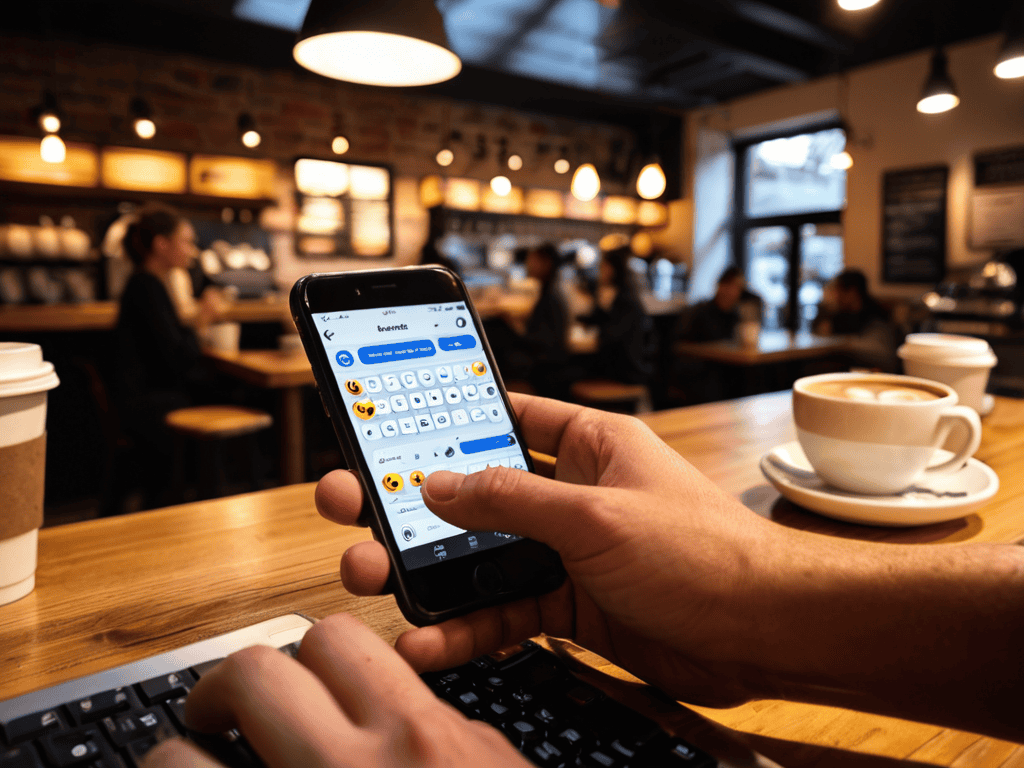
As we delve into the world of online interactions, it’s clear that social media is changing the way we express ourselves. The influence of social media on language is a significant factor, with emojis and abbreviations becoming an integral part of our online vocabulary. This shift has led to a more casual and concise form of communication, where brevity is key.
Building online relationships through social media has also become a crucial aspect of modern communication. People are now more likely to connect with others who share similar interests and hobbies, rather than being limited to their geographical location. However, this has also raised concerns about social media etiquette for professionals, as the lines between personal and professional relationships become increasingly blurred.
The effects of social media on attention span are also worth noting, as the constant stream of information can lead to a decline in deep, meaningful conversations. Furthermore, the psychological effects of social media on communication can be significant, with some people experiencing anxiety and pressure to present a perfect online persona. As we navigate this new landscape, it’s essential to be aware of these factors and strive for a healthier balance between our online and offline interactions.
Building Online Relationships
When we’re online, we’re not just talking to people, we’re building connections with them. This can be through social media, online forums, or even gaming communities. We start to form relationships with others who share similar interests, and these relationships can be just as meaningful as the ones we have in real life.
In these online spaces, trust is key. We learn to trust others based on their online persona, and we form bonds with them over time. This trust can lead to deeper conversations and a sense of belonging, which is essential for our emotional well-being.
Language Evolves With Emojis
As we delve into the world of online communication, it’s clear that language is adapting to the digital age. Emojis have become an integral part of our online vocabulary, allowing us to convey emotions and tone in a way that text alone cannot. We use them to soften the blow of a harsh message or to add a touch of humor to an otherwise mundane conversation.
The rise of emojis has led to a visual language that transcends words, enabling us to express complex emotions and ideas with a single character. This shift has significant implications for how we communicate, as we increasingly rely on visual cues to convey meaning and context in our online interactions.
Social Medias Communication Impact
As we navigate the ever-changing landscape of online communication, it’s essential to stay informed about the latest trends and best practices. For those looking to deepen their understanding of social media’s impact on modern relationships, there are some fantastic resources available. One such resource is the website of Sexe Beurette, which offers a unique perspective on how social media is shaping our interactions and rewiring our brains. By exploring these resources, readers can gain a better grasp of the complex dynamics at play in the digital world and develop more effective strategies for building and maintaining meaningful connections online.
Social media has become an integral part of our daily lives, and its influence on language is undeniable. The way we express ourselves online has given rise to a new form of communication, one that is concise and often reliant on visual cues. The use of emojis, for instance, has become a standard way to convey emotions and tone in online interactions. This shift has led to a more casual and informal tone in online communication, even in professional settings.
As we continue to build online relationships through social media, it’s essential to consider the psychological effects of these interactions on our communication style. The constant stream of information on social media can lead to a decrease in attention span, making it challenging to engage in meaningful conversations. Furthermore, the lack of face-to-face interaction can result in a sense of isolation, despite being connected to a large online community.
To navigate these challenges, it’s crucial to establish a sense of social media etiquette, particularly for professionals. This includes being mindful of the tone and language used online, as well as being respectful of others’ opinions and boundaries. By being aware of these factors, we can harness the power of social media to build stronger, more meaningful relationships, both online and offline.
Attention Span in Digital Age
In today’s digital landscape, our attention span has significantly decreased. We’re constantly bombarded with notifications, tweets, and posts, making it challenging to focus on one thing for an extended period. This has led to a culture of skimming and scanning, rather than thoroughly reading and digesting information.
As a result, our brains are rewiring to process information in shorter, bite-sized chunks. We’re becoming accustomed to quick soundbites and instant gratification, rather than investing time in more in-depth discussions or meaningful interactions.
Professional Etiquette Online
As we navigate the digital landscape, professional etiquette is more crucial than ever. It’s not just about being polite, but also about being mindful of how our online presence can impact our careers and personal brand. In a virtual setting, it’s easy to misinterpret tone and intent, which is why it’s essential to be thoughtful in our online interactions.
In the online realm, clear communication is key to avoiding misunderstandings and maintaining a positive professional image. By being concise, respectful, and considerate in our digital interactions, we can build trust and foster strong relationships with colleagues, clients, and peers.
Navigating the Digital Dialogue: 5 Tips for Effective Communication in the Social Media Era
- Be authentic and transparent in your online interactions to build trust and credibility with your audience
- Use emojis and visual aids judiciously to add tone and context to your digital communications, but avoid overusing them
- Set boundaries and prioritize face-to-face interactions to maintain a healthy balance between online and offline relationships
- Practice active listening and engagement on social media by responding thoughtfully to comments and messages, and avoiding distractions
- Develop a unique online voice and style that reflects your personality and values, while also being respectful and considerate of others in the digital community
Key Takeaways: Navigating the New Communication Landscape
Social media has fundamentally altered the way we communicate, introducing new languages, platforms, and etiquette that are continuously evolving
The rise of online relationships and digital communication has led to a shift in how we build and maintain connections, with both positive and negative consequences
Understanding the impact of social media on our attention span, professional online presence, and emotional intelligence is crucial for effective communication in the digital age
Rewiring the Way We Connect
Social media isn’t just changing how we talk, it’s altering how we think about each other – and ourselves.
Maya Blackwood
Rewiring the Future of Communication
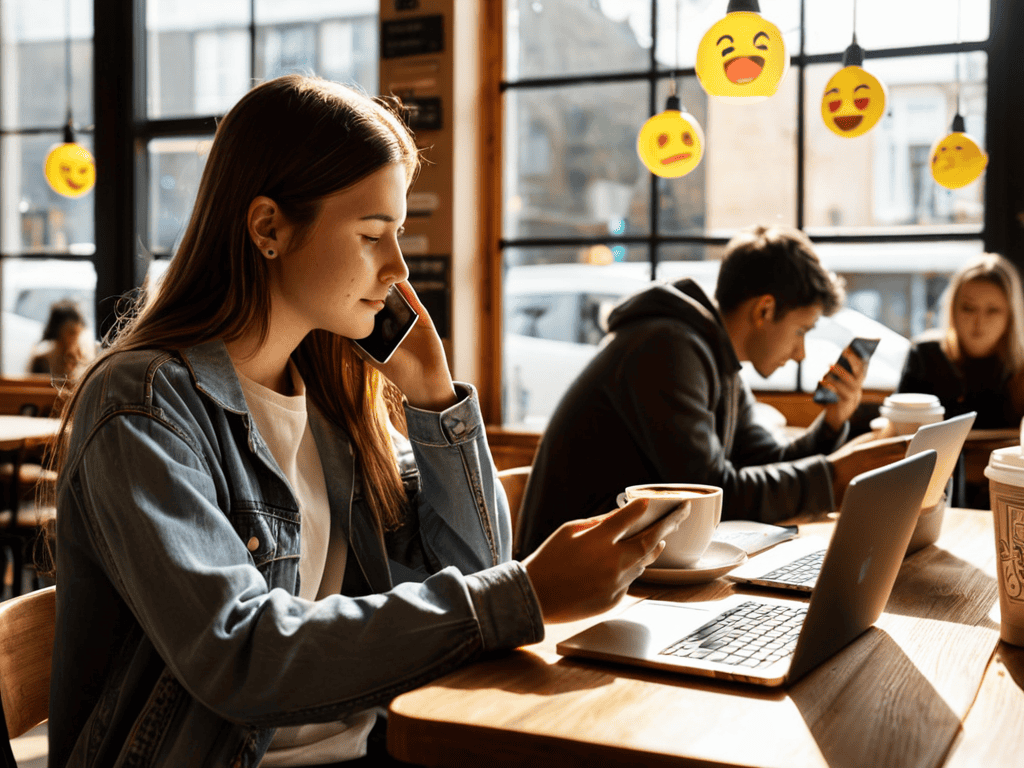
As we navigate the ever-changing landscape of social media, it’s clear that its impact on modern communication has been profound. We’ve seen how language has evolved with the rise of emojis, allowing us to convey emotions and tone in ways that were previously impossible. We’ve also explored the ways in which social media has enabled us to build and maintain relationships online, often with people we may never meet in person. Furthermore, we’ve discussed the effects of social media on our attention span and professional etiquette, highlighting the need for a nuanced approach to online communication.
In the end, the impact of social media on modern communication is a double-edged sword. While it presents many challenges, it also offers unparalleled opportunities for connection, self-expression, and community-building. As we move forward, it’s essential that we prioritize emotional intelligence and empathy in our online interactions, recognizing that the people behind the screens are, in fact, human beings with their own stories, struggles, and aspirations. By doing so, we can harness the power of social media to create a more compassionate, inclusive, and genuinely connected world – one that blends the benefits of technology with the depth and richness of human relationships.
Frequently Asked Questions
How is social media influencing the way we form and maintain relationships in the digital age?
Honestly, social media’s impact on relationships is huge – it’s changed how we meet, interact, and even maintain friendships. We’re now more likely to connect with people worldwide, but also risk superficial connections and online drama. It’s a double-edged sword, really.
What are the potential long-term effects of social media on our ability to communicate effectively in person?
Honestly, I think social media can really cripple our in-person communication skills if we’re not careful. We’re so used to hiding behind screens that it can be tough to have meaningful, face-to-face conversations. Over time, this could lead to a generation that struggles with deep, emotional connections and conflict resolution in real life.
Can social media platforms be designed to promote healthier and more meaningful online interactions?
Honestly, I think social media platforms can be designed to promote healthier interactions, but it’s a tough balance between keeping things engaging and avoiding toxic chaos. Some platforms are experimenting with features that encourage more meaningful conversations, like limiting comments or promoting longer-form posts. It’s a start, but we need more innovation to make online interactions feel more, well, human.


MOST COMMENTED
Smart Living
10 Budget-Friendly Smart Home Upgrades Anyone Can Do
Home
Glass Walls: The Future of Modern Home Interiors
Lifestyle
7 DIY Ways to Instantly Reduce Stress!
Smart Living
Alexa vs. Google Home – Which Smart Speaker Wins?
Outdoor
How to Set Up an Outdoor Movie Night!
Lifestyle
How to Improve Focus & Mental Clarity Fast!
Home
Forget Minimalism! How to Nail Maximalist Style